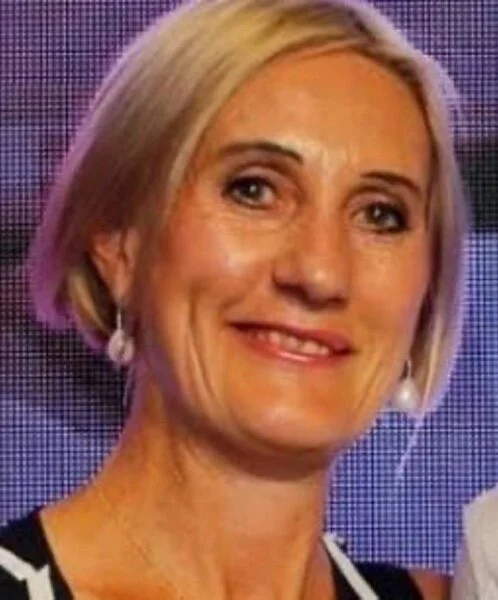
Episode 10 - Suzanne Henderson
16 June 2020 · Steve Prior
Listen to this episode ·
Subscribe in Apple PodcastsThis week Milly Bell joins the show to host Suzanne Henderson with a great discussion on career development, improving the environment and opportunities for women in sports administration and juggling family, career and sporting commitments.
Hear about the programs Sue has developed and championed to attract and retain women and girls in hockey, to strive for gender and cultural diversity and the clear and tangible benefits already visible at Camberwell and across the hockey community.
Listen on to find out about Sue’s mentors and sporting heroes; and of-course her killer hit into the circle to secure that sudden death State league 1 premiership!
Episode transcript
⚠️ Automated transcript
This transcript was generated automatically from the episode audio and lightly corrected. It may still contain transcription errors, and individual speakers are not labelled.
Attracting and retaining members and providing a diverse, inclusive and empowering environment is critical for all modern clubs. How are we doing at this? Welcome to the Camberwell Hockey Podcast. This week, Milly Bell joins the show to host Suzanne Henderson and explore the programs Suzanne’s developed at Camberwell and Hockey Victoria. Here’s Milly. Thank you very much, Suzanne Henderson. Do you mind if I call you Hendo? Fine with me, Millie.
Excellent. So Hendo and I play hockey together and we’ve got Hendo on the show today to talk about her experiences with Camberwell Hockey and Hockey Victoria. Let’s start with when did you come to Camberwell? My hockey career actually started at Doncaster Hockey Club. So at the age of eight, I started playing there in their Minky program. My dad was actually one of the founders of the club. Yeah, started playing with all the girls and boys there and went through juniors and seniors. And then it got to 1998. And I guess I had been hanging around with a lot of the Camberwell people.
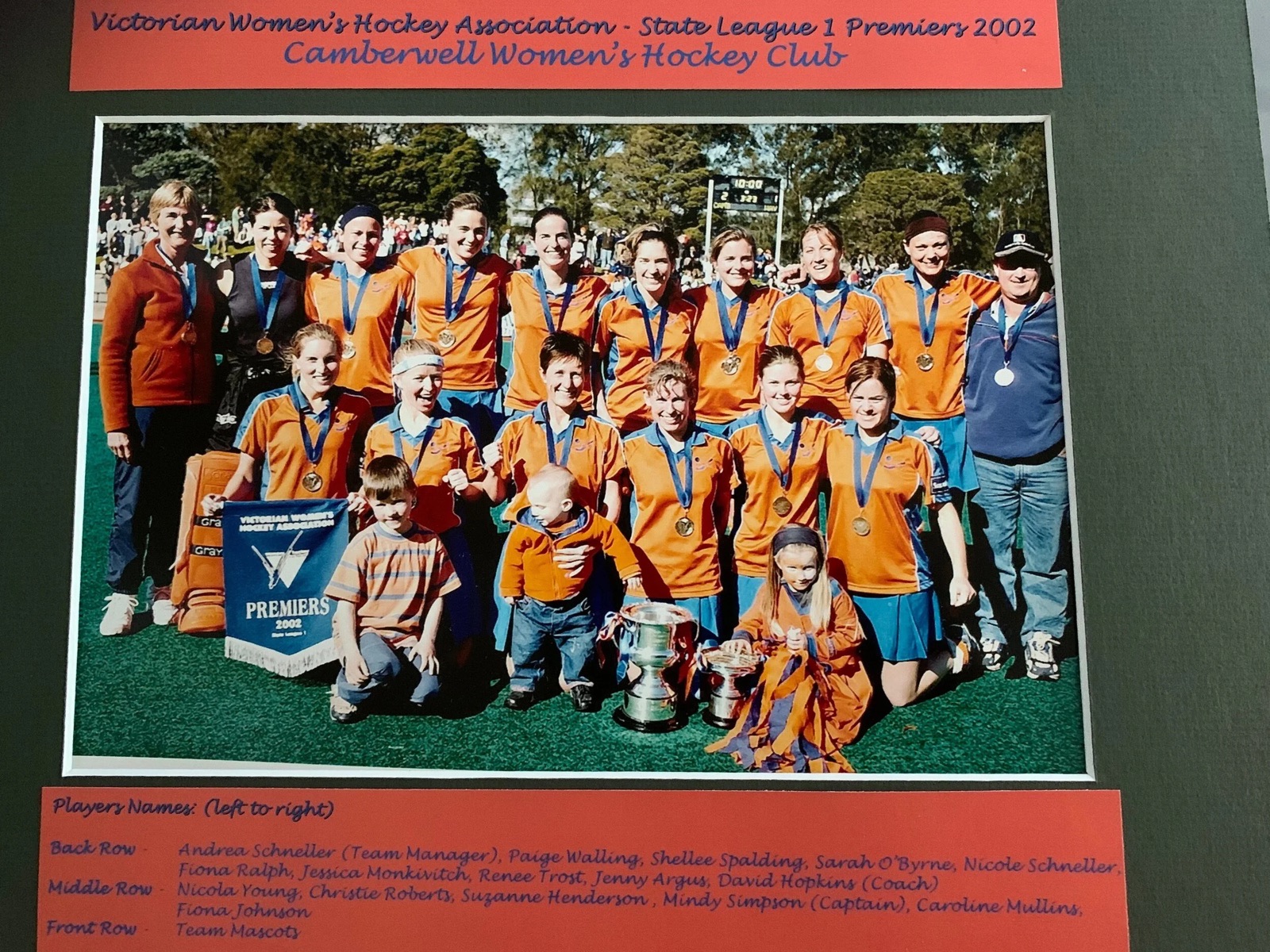
I met my now husband, Andrew Henderson or Rosie, through hockey. And I had been going out socially with all those people. And I got to the point at the club that I was in where a lot of my friends went off to different unis, stopped playing the sport and I really was spending a lot of time with the Camberwell people. On top of that, there was a coach at the time which was Ben Hartung and he and some of the players had rung me and said we’d love you to come along and play for us. So yeah, I made the move in 1998. It was fantastic. Played there and I’ve played there ever since. Played what was then State League one. It wasn’t until 2002 that we were fortunate enough that we won the State League one women’s premiership, which unfortunately for Camberwell was the last time that we’ve actually won that flag. But yeah, had great times. Yeah, that’s excellent. So clearly you’ve been born and bred through hockey. Why don’t you tell us a bit about which members of your family play hockey as well? And No, they’re all Camberwell.
I don’t think Andrew would allow any of them to go anywhere else. So Andrew or Rosie, as people would know him, isn’t playing anymore, but is heavily involved in coaching. Coached the men’s Premier League for 10 years, but also was the junior development person at the club for a long time and is still heavily involved in the junior section and trying to ensure that we’ve got lots of kids playing and that coaches know what they’re doing. Then I’ve got the three kids. So Josh, Liam and Jade, all of them playing hockey.
The two boys are now just playing senior hockey and Jade is still only 13 years of age. So she’s playing junior girls and I’ve been fortunate enough to coach her for about the last six years. And the boys are sort of playing between Premier League and Premier League reserves. Had great sort of hockey careers to date. Well, that’s fantastic that you can get all of you together and it’s a real family bonding experience too. On that note, what does it mean to you to be part of the Camberwell community? Well, I think it’s sort of like a second home for us. Definitely the support and the people really enjoy being there. It’s always been a safe place. So you knew even when the kids were younger, you could come down to the club with the kids.
And if you were playing or coaching, that others were out there looking after them. I really feel there’s that community feel and that spirit of made lots and lots of friends, those that I play with, but also the families when I’m sitting on the sideline cheering on the kids. Definitely is a great place to bring up children. It’s great to hear that you’ve had such a good experience with the club. And even though some of you’ll be going to different places for all of your matches across Melbourne, you’re still all heading out to hockey and hopefully seeing each other’s matches and then all coming home together at the end of the day too. We try. So let’s talk a little bit about your work with Hockey Victoria and the Victorian sports industry more broadly. Starting with how long have you been working for Hockey Victoria and the sports industry? I’ve only been with Hockey Vic, when I say only, for really the last sort of nine years, since 2011.
Prior to that, I worked with the Australian Sports Anti-Doping Authority. My journey with working with sport really started like 25 years ago because at ASADA, the role which I was initially employed in was for one year to set up the Victorian Sports Drug Education Unit. And part of that role was to go out and educate athletes, coaches, administrators from all different sports, specifically really around inadvertent doping at the time. So it was really about people who were making mistakes with medications, etc. And that role ended up expanding. And I ended up being in that organisation, as I said, for 16 years, with every year a different role, different challenges, whether it be taking on contract negotiations with AFL, whether it was education of coaches, whether it was running the drug testing programs, event organisation, you name it, sort of did everything.
2006 was a great year where the Victorian office, we were really given the opportunity to be involved in the Melbourne Commonwealth Games and run the drug testing and education program. My role was to recruit over 200 staff and train them up and then get them all rostered on for all our drug testing programs across all the venues in Melbourne and that was just a wonderful opportunity probably one of the highlights of my career. As I said then sort of a few years later I’ve had children in between that so there were three children and then found my way to Hockey Victoria which has been, I guess I’m combining my passion here with the love of sport, my degree. So my degree was really a health promotion. That was an opportunity for me to sort of do program planning and strategies, which is around increasing participation in particular.
So yeah, great opportunity for me to sort of work in that space. What is your current role and how have your previous roles evolved into that role? My current role is the general manager of strategic projects. With that, I’m also a member of our executive at HV. As I said, the role really started in 2011. I was brought on as a project officer for one year, and that was a VicHealth-funded project, which was around women and girls and trying to increase participation across all the areas. That, again, has just continued on, really. I’ve taken on different opportunities over the years, so expanded those roles so that It’s not just around women and girls. It’s looking at diversity, inclusion, managing a team of people, which was at one stage the community hockey team, which was responsible for, I guess, the roadshow programs and the sporting schools, the coach umpire education.
These days, my key focus is really on the implementation of our gender equity and diversity strategy, which is across the organisation. And that’s working with our board, our clubs and our staff to implement hopefully some changes. Also sort of manage the inclusion manager, which is Michaela, where we work across the disability sector. So again, we’re trying to incorporate more people with disability into the program, look at the inclusive environment. So how do we provide opportunities for members of the LGBTIQ community to be involved in our sport and feel welcome, which requires education of our staff, our board and our clubs. So that’s sort of the work that I’m involved in. And probably the other major project which I’m working at the moment is Hockey Victoria’s new strategic plan. We’re just sort of starting that because it comes into play in 2021, you know, looking at the future of the sport and where we’re headed.
Excellent. That certainly sounds like enough to keep you very, very busy. How have you found working and staying connected in your role during COVID-19? Well, I think from the outset, we were all sort of told to go home and take your laptops and we’re going to be working from home. It’s forced us to look at new ways of communicating. So technology has been really important. So we’re sort of using these go-to meetings as ours, as opposed to Zoom, et cetera. We initially started by meeting every couple of days with staff and it was actually an opportunity to get to know each other at staff. So even though you might work with people, you don’t really know them that well, but all of a sudden we were having themed days or, you know, what was your favourite book and what’s your favourite music, etc. So all of a sudden you’re starting to learn about the people that you actually sit next to, which was quite nice. Then obviously things have progressed and we all move to 0.6. So everybody’s workloads were, or hours were reduced, should I say, and project work. So there’s lots of things, for instance, in the area, again, that I work in, which is managing the government projects around some of the gender equity pieces. Some of those things we can’t deliver on at the moment because they involve really doing hands-on working clubs.
And as you know, we can’t do that at this point in time. It’s the same with the Access All Abilities Program, which we have funding for. We can’t get into the specialist schools. We’re not going to be able to run the clinics, the state days, all those things. So we’re sort of looking at other ways and opportunities at the moment of how can we deliver certain aspects of these projects without being hands on. Again, I think just using technology differently. So we’ve been able to continue, and you may see in this through the websites, et cetera, is the Seeing is Believing campaign, which is a series of videos that highlight female leaders in our sport with the aim really to raise the profile of women in hockey. We’ve been able to do those sort of things still, but instead of us going out and filming them, we’re asking the leaders that we’ve chosen to film themselves. You know, we’ve tried our female club administrators network, but we’ve done it via online as opposed to actually meeting in a room together.
So there’s little things like that that we’ve continued to do. We’ve just done them differently. And how are you expecting to measure the success of those programs that you’ve been implementing during the changes? Again, these were government programs that we had some funding for that we’re having to look at alternative ways of delivering. And they’re more than happy with, you know, we’re still delivering the videos that we said. They might not be as crisp and sharp as what they may have been had we had someone more professional involved, but we’re still delivering on them. The network meetings, you know, this we can say from a measure perspective is we had different people attend and we had people from country regions attend, for instance, and we have that sort of documented.
Whereas in the past, some of the women from the country areas don’t attend because it’s far more difficult to come up midweek for, you know, seven o’clock get together for a couple of hours. Definitely from that perspective, we’re being able to, you know, still provide opportunities to develop women in some of the areas. Again, another example really is the coaching workshops online. So we, in the last few years, have provided opportunities for women by having women’s only coaching and umpiring workshops or accreditations. By having them online, we’re finding that 50% of those who are attending are women. You know, I think we’ve sort of opened up another door that there’s opportunities there for women to get involved and upskill by doing things online. Yeah, absolutely. And I think it’s really interesting to look at the impact that COVID’s had, not just negatively, because there have been a lot of difficulties for people across all sectors and personally and financially and all of those sorts of things, but also taking a different approach and looking at some of the benefits it’s had.
So you’ve just listed quite a few reasons why the adaptability of your programs may actually enhance your reach going forward and those sorts of things, which is fantastic. Yeah, definitely agree. I think, as I said, and even broader than just my programs from a bigger Hockey Victoria perspective, the club forums that they’ve been holding fortnightly, we’re getting 80 people coming online to listen to the latest update about what’s going on. Now, one, it’s because it’s important and people need to know what’s going on.
But secondly, we’re getting people that normally, as I said, they either live in country regions, therefore they wouldn’t come to these meetings because it’s too far. But even those who live on the outer outskirts of Melbourne, to try and get into the hockey centre at 6.30 for, you know, these meetings is impossible. Therefore, people don’t come. Whereas now, people are up to date and they can get on and do what they need to do with the latest information. So I really think there’s opportunities there.
I think there’s opportunities that we’re working out that even within clubs, particularly for board meetings, and this may open more doors for women as well because they don’t necessarily have to go down to the club at 7.30, it’s freezing cold, they’ve rushed home from work, they’re trying to feed families and get to board meetings. This may enable women who haven’t been able to previously be involved in boards to actually get on boards because it’s a bit easier they could do it online. I think it’ll be really interesting to see the long-term changes that come out of a situation I guess we were sort of forced into. I think some of these strategies will be adapted long term and obviously some things will go back to doing such as training on the pitch. I’m really looking forward to doing some more of that. What’s been your biggest challenge in your role? I think sometimes we haven’t got the money to do what we’d like to be able to do or the resources to do what we want to be able to do.
Other times it’s about the influence that we have or I have on what we can and can’t do. And other things may be restricted. Remembering that we’re sort of part of a bigger organisation in hockey. So, you know, there’s Hockey Australia is also above us and there’s things that we need to do to be in line with, you know, where they’re coming from. So sometimes that can hold up things that we would like to do just because maybe they’re not in the same situation as we are in, or maybe it’s not necessarily a priority for other parts of the country. So I’ll give an example. Again, women and girls is the priority for someone like hockey in Victoria because our numbers of participation are lower for women.
However, in some of the other states like New South Wales and Queensland, they’re around a 50-50 as far as males and females. So they don’t necessarily need the strategies that we are trying to implement because they’ve already sort of got that balance. Whereas we’re still looking at having to sort of create more opportunities and find more ways to attract more women to the sport. Well, I can tell you on a personal level, I try to get all my friends to play as well. So I’m trying to help too. Good news. We just need a few more like you, Milly.
And then on the flip side of that, what would you say is your biggest success you’ve had to date in your role? Well, I think from when I first started, we had 38% of our participants were female. We’ve now got it up to 43%. So our numbers have improved. We’ve got more people, more women participating in the sport. So I’ll definitely say there’s been successes in there. I think having the pathway established for girls. So you’d probably be aware that this year was supposed to be the introduction of a complete pathway for girls to play in girls competition from under 10s, 12s, 14s, 16s and then into the seniors. We haven’t had that pathway ever. So this was going to be the first year.
We felt we had the numbers to be able to do that. And the reason for creating that pathway is again to try and increase the participation for girls in our sport. We want to continue to move down that way and have that pathway available. And hopefully our numbers in the future will continue to grow. I’d say the other thing was really around our gender equity and diversity strategy to actually have that developed, to have input from key people in our organisation, that it now also has KPIs, which means that all staff are accountable across the organisation. So it isn’t just up to me to deliver something. It actually means that when we’re saying that we want to have 40% of women on our committees, that we should have 40% of women on the committees, that when we’re looking at our workforce, so who we recruit as casual coaches, as academy coaches, in our JSC teams, that we’re looking for that 40%.
So again, it’s good to see that others are actually buying into this and that we’re all working together to try and achieve that goal. And so what do you feel is the role of women in sports administration? I think they should be provided with the same opportunities to be sports administrators as their male counterparts. I would obviously like to see more women in higher levels of sport administration where they have greater influence. If you look at, for instance, CEOs at a state sporting organisation level, that is very male dominated. A couple of years ago, Hockey Victoria was invited to be part of Victoria’s Change Our Game Male Champions program. There was eight sports involved and at the initial meeting, CEOs across the eight sports were all in the room and the only CEO that was female was Rosie King from Netball. All the rest of the CEOs were males.
At the second meeting, they were all asked to bring along an implementation leader. So a person who was actually going to probably execute the plan that they were all developing and every single one of us was a female. and so it was really interesting and the discussion when we even walked out of the room was so this is where we have to make the change we would like to see in the future that there is more women as the CEOs and maybe less as the implementation leaders so you know that was just an example right in front of everyone’s face as to where things were really at. Yeah okay and so So how do you think we can support and increase the number of women in sports administration? How do you think we can get more of those CEO positions to be women? Well, I think, one, we have to show them that there is a career path and what it looks like, providing that those mentors, and that can be both male and female, to help guide them along the way.
Continue to encourage them to network. I think men do that better than women and they pick up the phone and they’ll engage with others better and go for that coffee chat than women do. Women go, well, I’m here to do the work so I’m just going to do stuff as opposed to, well, actually connecting and building the relationship is probably more important. The ongoing education and training, and I say that because I think women in general have lacked confidence, and if they had that education and training behind them, it helps them build that confidence, as well as, you know, obviously being prepared and planning and all those type of things. I guess one of the things that I always try to do with my female staff is if I’m going to meetings or forums, I invite them and I bring them along. So you’re introducing them to other people as well so that they broaden their understanding of what’s going on in the bigger picture as well as build the networks.
And continue to advocate for diversity on teams and committees and boards. That’s what I would say because at the moment, if you still look across the country, there would still be a lot of committees, boards, et cetera, that are very male heavy. or if they do have females, sometimes they are females that are looking at from a lens of their own child, which may be their son, as opposed to having a female lens on what is actually going on in the environment. Yeah, that’s some interesting points there. So how do you think that we as a club can improve the environment for women in sport? Well, I think it comes from a number of areas. So we obviously know from our board’s perspective that you need to have that gender diversity on the board. And again, you need to have male champions out there as well that are going to consider what’s going on within a club and the importance and the priorities. And having both male and females involved in decision making about club related issues is very important.
I think, again, from the coaching perspective, we need more role models out there. So we do need more females, not only coaching girl teams, but the boys as well and vice versa. So there is that respect that’s built. So building respectful relationships is so important in any successful club environment. So that would be a focus that, you know, I think we can continue to improve on. And that’s just understanding where people are coming from and, you know, what it is they need. So keep asking questions, ask lots more and listen to what people are saying. Yeah, fantastic. How is Hockey Victoria engaging women in sport moving forward? And what can Camberwell be doing more of as a club to sort of assist that?
With this gender equity and diversity strategy, there’s a whole lot of things that we’re trying to do, whether it’s looking at the situation with boards, you know, are there women in positions of influence or not within clubs? So I think this is something that eventually will end up in the league entry criteria. Well, that’s what I’m sort of pushing for eventually. And I know that only relates to clubs that are in the Premier League. However, we obviously know, like in business, that diversity improves business, whether it be financially or efficiency or with people management, et cetera, that it’s good for business. I think the state government, I mean, they introduced a couple of years ago that state sporting organisations had to do this in relation to boards. So I think that that will be something will happen in the future, even potentially through local council that if you’re going to receive funding that that may be on the cards that you need to have that so I say that that is one area again the the area of females in coaching particularly high performance coaching is quite low trying to identify you know ways and one of the things that we thought about doing which I don’t know will happen right away now that obviously everything with COVID, is to develop a HC Melbourne Coach Academy, which would focus on trying to develop females and provide some mentoring around them in the coaching space. So that’s sort of something that I think that even at a club level can be done, is to try and support, you know, young females and encourage them to be involved. And I think from a younger age, I think sometimes it’s harder when you um you get a bit older to come in and then start doing the coaching i know there’s been you know discussions with even people of my age like oh i can’t coach i can’t teach anyone how to tomahawk because i can’t do it myself it’s rethinking about that and my and my views on that is well i can’t either but i’ll just get my son or my daughter to come along and they can show them how to actually demonstrate the the tomahawk i can talk them through all that but i’m not going to get down and demonstrate because I probably can’t do that skill. But I still know how to, you know, manage kids on the field and I know how to provide structures and provide feedback and all the other things that are important in coaching. Yeah, and you’re using your little community there to sort of bring some guest coaches down to assist. Correct. So I think definitely, you know, people need to think outside the box about what they can do as opposed to what they can’t do and then make those changes. I would say the other thing HV doing to get more women is obviously trying to raise the profile of women in our community. So whether it’s through, as I said, the Seeing is Believing campaign or the Community Champions campaign that’s out there at the moment, which is highlighting, and we’re highlighting both males and females, because again, we’re looking at this whole gender equality, if you like, and we want to make sure that we promote our sport as They sport both for males and females and genders and ages and everything else.
So yeah, that’s where I’m at at the moment. What about on the ground level as players? So for myself, I’m not sitting in any leadership positions and things like that, but how can someone like me help to engage women in sport as well? It’s really just describing to others the experience that you have when you’re involved in a club. So how does it make you feel to be part of that Camberwell? and to be around other people and encourage people to come down and be involved. And I think anybody, when you say you’re not, I don’t think you have to be named a captain to be a leader in anything.
I think you can be a leader by, you know, you get there on time, you’re talking to other players and you’re encouraging them, you’re doing your best out there on the field. I think that’s just as important as being named as a captain. You can encourage the young ones that are coming through and you can demonstrate all those things. You’re fit, you’re prepared, all that sort of stuff is all a demonstration to me of leadership and just being kind to people and just talking to people, making them feel welcome is part of leadership.
For people within the club, encouraging them to keep coming to training and being a good role model, as you said, but also for people who haven’t either played hockey before or played any sport before, just encouraging them to come and have a look at different sports. And for me as a physio, I’m always encouraging people to be physically active because that’s sort of part of my role as a human being as well. But certainly the good things that come along with playing any sport and team building and endorphins and health and all of that sort of thing, you know, are good things to get anyone down to the field, hopefully. Well, I guess that’s really got to be the focus going forward for everybody as a result of what’s going on now in our environment. Yeah, just trying to get people back out and enjoying the game and picking up the stick and seeing their friends socially connecting we know that the whole that’s such an important part of team sport in particular and that’s what people have been missing so and you can see that at training people are laughing they’re having fun you know we’re not doing competitive drills or anything at this point in time because of the social distancing but people are just really enjoying getting out there getting outdoors seeing their friends having a chat catching up about people’s lives and just showing that back that emotion again. And certainly for some people COVID has been the distance between them doing some some exercise and things like that and for some people it’s been longer but I guess now is a great opportunity for everyone to pick up a stick and and get on the field because if you think about it no one’s really that fit so if it’s been 10 years or two months everyone should just come down now and get started at ground zero. I think so and I think the reality is this is an opportunity also to, you know, blood players, if you like, you know, young ones, et cetera, with the rules changing this year around relegation and promotion.
I don’t want to say it’s a season that, you know, that doesn’t matter because it obviously matters to everybody. But, you know, it isn’t necessary about winning as such. And, you know, you can still enjoy the game and you can participate and we can look at players in different situations and all that sort of stuff. I really think it’s a great time to bring new people into the sport. You know, we’re aware that football leagues and netball leagues and things like that are not going to go ahead because they’re thinking it’s going to be too hard and too costly.
If hockey can actually, if we get the go ahead from the government that we can get out there and play, you know, I think it could be a really good opportunity to engage people that have never played the sport. Absolutely. And perhaps for you, Hendo, we could send you up to centre forward to score some goals this year.
You never know.
All right. And have you had a mentor in your career that’s helped you to get to where you are? Look, I wouldn’t say specific mentor. I’ve been involved in a few mentor programs where I have had a mentor for a period of time and I’ve, you know, utilised them to talk through some challenges that I might have been dealing with in the workplace or to upskill me in some areas that I felt deficient in. And then I’ve also been the other side where I’ve been the mentor for other, you know, up-and-coming sports administrators that have wanted some, you know, a sounding board and some advice about how to, you know, work or deal with situations, etc. There’s lots of different people that I’ve gone to for depending what the situation is actually about. So, sort of picking people that you feel like you can trust and that you can have that coffee and work through, you know, what your issues are in a safe environment. Absolutely, very important. And what career development have you found to be most beneficial for you? I’ve been a person who I’ve studied a bit so I as I said earlier I had a health promotion degree which is a science sort of degree and after a few years went back in and end up doing a HR degree and a business management so a master’s in those areas so I was really keen on understanding more about you know people and how to work with people how to manage people lead people, all those things. So I think continuing to find areas of study is important, but it’s also just as important for that on the ground training and skills. And when I first started out, when I was at uni, I did take on work experience opportunities in school holidays, for instance, and they were not paid things, they were voluntary, but they come back and they help you. So one I was at uni sort of doing health promotion, there was a board of sort of work that you could put your name down for volunteering and I went and applied for a Box Hill Community Health Centre.
Anyway, I got the job as a sort of health promotion administrator or whatever and I had that over the holidays and did some project work with them and had a great time, enjoyed it, learnt a lot. Probably a year later when I was sort of in my final year of uni, I’d started to try going for jobs. And there was a job at Maroondah Social Community Health Centre as a health promotion officer. So, you know, that’s what I was trained to be. And so put my hat in the ring, went for interview, got an interview. And the person who was interviewing me was the physio, who was the head of the allied health team, who I’d worked for previously in that work experience at Box Hill.
So she knew me straight away. She knew what I was capable of. She knew, understood that I was still finishing my degree, et cetera. But we had that personal connection and I got the job. So it’s things like that. It’s about, you know, not always about, oh, I need a paid job in something. It’s where are the opportunities? Put yourself out, volunteer your time. You’ll connect with people and they, you never know when you’ll run into them again and they will be able to provide you with your next opportunity.
I absolutely agree. You should take every opportunity that you can. And I mean, perhaps I say yes to a few too many things. And that’s contributed to some time management skills I’ve developed over the years. But I think taking those opportunities and making those connections is so valuable in the future, as well as at the time you do it. Is there anyone in particular that you look up to in sport? Well, there’s a couple of people, and I was thinking about this today. So the person by the name of Bridie O’Donnell, who has taken on the role of director for the Office for Women in Sport and Recreation. And I just think that she has been amazing in what she’s been able to do over the last few years since she’s been in the role. She’s very articulate. She’s, when you hear her as a speaker, you sort of walk away thinking, yes, I need to do that. I’m going to do that. And makes you feel like you need to go and do more. So very enthusiastic, very good across the board in her management skills and her leadership. So that would be a person that I sort of admire. I think, oh, wow.
And, you know, she was a Australian cyclist and professional cyclist. and she’s been a doctor and all sorts of things. Just an amazing person. I think Rosie King, who’s the CEO of Netball Victoria, is a very good operator. Again, a real people person. Used to be the head of people and culture at Geelong Cats. But she’s another person, I think, that can really get the job done but really works with her team well and collaborates. and I just sort of see that she’s a really good leader.
From a hockey perspective, I think player-wise, I think Alyson Annan was one of the best hockey players that we had going around. It would be awesome if one day we could get her back to Australia to coach in Australia, but I don’t know if that’ll ever happen. But, you know, she’s obviously been able to achieve huge success overseas as well as a coach in the Netherlands, but brilliant hockey player. And probably the other one, and this is probably more recently after I’ve been watching The Last Dance about Michael Jordan.
And, no, I didn’t really take much notice, you know, of him over the years. But watching that, I was just like, wow, how amazed at his determination, his mental strength. He had a goal and he did everything to achieve that and he brought everyone along. And I just thought, you know, that’s an amazing, if you were able to do that in teams, it would be just amazing. Like, you know, he obviously had great success and he was an amazing player himself, but you can’t, it’s a team game. So you still need everybody else and you need to be able to get the best out of everybody else.
And, you know, I think him along with the coaching staff were able to do that. Very applicable, not only to sport, but just generally in life as well. And so a lot of, we’ll have to add that to the TV watch list, I think. But a lot of those role models you just talked about are people who are juggling lots of different aspects of their lives. So how have you found working full time with children, raising children and that sort of thing? And what advice would you give to other young mums about managing multiple areas of your life? When we decided to have a child, so I was 31 when I had Josh, at the time I was still really ambitious and I wanted to be the next CEO or something. However, I found that things changed when I had a child or sort of like that whole juggling did come in. and I was probably, my ambitions sort of lessened, whether that’s right or wrong or that, I don’t know, there is a right and wrong, but they probably did and I sort of thought, you know what?
I would agree with that. That’s not a right or wrong. It’s just that it’s, you know, priorities change and you’re thinking, well, I’ve now got a responsibility for a child that I want to bring up and share my life with and develop and nurture and all those things. I took the 12 months maternity leave with him and went back to work but in a part-time capacity and that meant that my role changed from and this is when I was at Asada and I was one of the managers and I’m at the time was managing staff both in Victoria and Tasmania so I went back into more of a project role which was fine because I only came back three days a week but you do find and this is where I think things happen for women is because when they do go back in a part-time role, they don’t take on as many of the responsibilities in businesses and therefore they sort of start going backwards down the tree as opposed to up the tree.
But, you know, that’s just a choice. I then obviously was trying to juggle work, a child, three days a week and I went back and played hockey. So, as I said, Josh was born in 2001 in June and in 2002 we won that premiership at Camberwell. So me getting back my fitness and my strength and my playing ability was also really important to me. So I wanted to obviously put in a lot of time into that. Premiership must have felt very good. It was awesome.
Also because I just knew not only myself but the team had worked so hard. It was probably the fittest we had ever been as a group and we had spent the summer down at Black Rock because our coach lived down there and we would be running, swimming, running up hills, you know, strength work and everybody did it and you got down there on a Sunday morning and we all did this and then we would have breakfast at his house. I think it helped in the end because in that grand final, I’m not going a bit off track here, But the grand final that we win, it went into extra time and then went into sudden death.
It was almost the fittest survived that particular, you know, match and we ended up winning.
And so I still reenact the goal and the win and the whole bit every time I see the girls. Going back to the point of juggling, I never went back full time. I obviously then had Liam and then eventually I had Jade. And when I had Jade, I took my long service leave as well just to have extra time because I then had three very young kids, one just starting prep, one in kinder and a baby. So work was sort of a far distance, you know, at that particular time. But look, I think in the end of the day, what you need to be able to do is you need to sit down with your partner and you need to make some decisions about what you want to do, what they’re going to do as well. You’ve got to remember there’s stereotypes that the woman’s going to stay home and look after the child if that’s not what she wants to do because you’ve both had a child together.
So you need to look at sharing responsibilities, good childcare. So at the time, it can be very difficult and very costly. So you really need to think about all of that because sometimes you’ll, you know, you’ll put all your money into childcare and you’re going to work not for financial reasons, which in my case, you know, it was like that. You were really going back to work was really about my own mental stimulation and wanting to get around, back around people again, use my skills, upskill, be part of conversations. And so that was what it was about, not really about financial stuff because childcare takes most of it. So, but yeah, you’ve got to find those things.
And if you’ve got family that can support you, that’s fantastic. You know, they can help out here and there, but you know, you’ve got to be almost schedule things in. So if you want time to yourself, when are you going to fit that, you know, running or, you know, playing hockey or whatever else and, and, and make it a priority because it’s very easy for women to say, oh, you know what I need, I’m not going to do that because I have to do this. feel guilty but you know you’ve got to look after yourself as well so you know it’s that combination of looking after your mental health and your physical health as well as being um you know a good parent it sounds like um communication and the planning ahead to create a balance is what was um made it so successful for you definitely yeah definitely i mean you know as i said balance is really important to me. Having a supportive partner, really important. Whatever I wanted to do, he was happy. If I made that choice, we’d make it work. So you sort of got to make sure you put yourself forward and say, look, this is what I want to do. And then there’s obviously your workplace.
So negotiating with your workplace around flexibility. And I think the roles that I have had and the organisations I’ve worked for have all been very flexible, but they also know that I’m a very self-motivated person. You know, for some people working from home, it doesn’t work, despite the fact that, you know, we’ve just had to do this for eight weeks. I think, you know, and organisations may now re-look at this whole flexible working from home for people because, you know, they’ve now learned that people can work home and we do have the right technology set up to do that, but back 10 years ago, probably wasn’t like that. Yeah, it’ll be really interesting to see how that evolves in the future. Talking about a couple of driving programs, so what programs have you been a part of driving at Hockey Victoria and at Camberwell Hockey Club? Well, I think to start with was around the girls only hockey. So as I said earlier, now we have a pathway from under 10s to under 16s. If you looked at the research across other sports, I was sort of looking at it, they’ve all got, they separate the girls and the boys quite early and their participation numbers were quite high.
This is particularly in soccer. And now you look at, I guess, AFLW. So we sort of didn’t have that real push. And I trialed something way back when I started, which was the girls just want to have fun series, which was almost like a quarter pitch hockey sixes. When I first started that to try and get that up and running, it was like extracting teeth from the hockey community to get on board. Anyway, the first series, we managed to get one pitch full. By the third series, we were booking out two pitches and the event was going all day. And that was because the girls loved it.
The parents loved it. They started seeing their daughters actually touch the ball far more than what they had been doing. I guess this was even more pronounced when I first started coaching at Camberwell. And it was there was only the mixed under 10s. So I coached that and I had Jade and a couple of other girls who are also now still playing and boys. And there were girls in that group that we would play a game and they would not have touched the hockey ball. And I just thought this is ridiculous. So that sort of made me really push at Hockey Vic that we started the under 10 girls competition.
And I went and spoke to every one of the parents at Campwell and that team and said, we need to shift the girls into a girls team and see how they go. And I think it’ll be the best thing for them. Now, a number of those parents were hesitant about that, but at the end of the first season, they had just said, wow, my daughter is actually playing hockey now. You know, she’s actually touching the ball and using skills and have stayed in the girls’ programs ever since. So that’s sort of, I guess, one of the things that, you know, was instigated where we even at Canberra we end up having three under 10 girls teams at the time which led to then a really good under 12s where we were able to have two teams in each and this started happening across other clubs as well which is in the ideal world is what we really want to be able to have is you want to be able to have at least two teams in each age group so you that you can actually select, you know, I guess a team that is more advanced and then another team which is more social but also when new kids come along, they’ve got somewhere to go and play, you know.
Yeah. That’s the whole, you know, what’s what we’re aiming for all together. So definitely that’s been one of the key programs and drivers by Hockey Victoria and Camberwell. That’s a fantastic success story. Has it – did it come with any challenges to implement that? Oh, definitely. I mean, and there still is. There’s still a perception out there that if you’re a good female hockey player, that you only play mixed hockey. And thank God there’s now a lot of people at the high-performance end who are saying, well, no, that’s not actually right, And that what’s tended to happen is that the one or two girls that have been playing in the mixed teams, they haven’t necessarily developed all the skills needed to then play senior women’s hockey.
Because they haven’t been given all the opportunities. Now, again, that’s only generalisation and depends totally on the coaches involved. So how much they engaged with the girls and how much opportunity did they give them an opportunity on attacking corners, for instance, or defending corners. Because what the high-performance VIS coaches were finding, that there were girls coming in at the highest end, yes, they could play hockey. But they hadn’t developed a whole set of skills because they were never given the opportunity to do that. Yeah, there’s still obviously been people, but as an organisation from Hockey Vicks perspective, we’ve gone down the track of now bringing the rule in that girls will play girls at both the Shield and the Pennant. And there’s still an opportunity they do want to play mixed, but it’s at the district level where it’s more of a social competition. The other thing I’ll just add in there around some of the things that we’ve been able to do, which then Campbell’s also done really well, is supporting things like the Women’s Round, Men’s Health Round and Pride Round. And they’re really good opportunities for clubs to work together and promote and highlight and recognise, you know, people and the community that they’re in. Absolutely. I’ve found as a participant in those rounds myself, they’ve been very enjoyable, very social and sort of offer even an additional opportunity for you to engage with your opposition on and off the field, you know, dressing up with different socks and the cake sales or all of those sorts of supporting fundraising activities have certainly engaged the community more broadly.
which is just very enjoyable for everyone too. If a club could focus on one new program in 2021, what would you recommend they try to implement? If COVID wasn’t here, I would say get your women represented on the actual executive board. So 40% women represented on club boards, I think really, really important. And that’s, I guess, across the board. So maybe not necessarily Campbell because they’re pretty good anyway, but across all clubs, I would say that.
And start to look at some of inclusive practices because I know everybody says, oh, yes, we’re inclusive and well, can we let anybody come along? However, that’s not necessarily how other people feel. So it’s trying to understand maybe what some of the other communities, why they’re not engaging in our sport and in our own particular club. So that would be one thing. However, given the COVID situation, I think Camberwell and really all other clubs and Hockey Victoria, the main focus for 2021 will be getting people back to play hockey. I think, you know, we’re likely to have a reduction in people playing the sport this year, whether it’s because they’ve just decided, well, I can’t be bothered or they don’t think it’s safe or they live with a person who’s vulnerable in their home financially, you haven’t got a job, all that stuff.
So I think 2021 will be get back to hockey, get reconnected to the community should be the main focus. And that means getting the people back, but also, again, really focusing on recruiting where you can. Yep. And how do you think, so the two other things you talked about were sort of kind of related to approachability of a club and that diversity on the board. How achievable do you think those things are to change quickly? Do you think that it needs a whole club approach or how should clubs approach that? I think it needs a whole of club approach. I also think in relation to the board stuff that, you know, constitutions have to actually be changed in some instances because they won’t necessarily say 40% representation of, you know, women, men or each gender on a board. So that’s not an easy fix at all, but definitely needs to be a whole of club.
Look at how inclusive everyone really is. So, you know, it can be right down to, right, well, what’s on the trophy cabinets in our walls and on our walls? We know the pennants, are they both for the men and the women? Do we have things like the LGBTQ flag flying in our club rooms? It’s just little symbols of things on our websites, all that sort of stuff. Do we have that type of thing on there? Do we do welcome to country? All those little things that we could be doing, but everyone needs to buy in on that. And I like that in your address of that question, you’ve targeted several groups that we want to see more engagement with in sport and more inclusivity as well. So that’s fantastic.
So we might just finish up with your best memory from Camberwell Hockey Club. There’s a couple. I can’t stop with just one, but obviously one with the winning the Premier League grand final in 2002 against Waverley. And as I said, the game went into extra time and sudden death. And then it ended when I actually had the ball and was playing left half. And it was the time when you actually could hit the ball in from outside the 25. So I was just outside the 25 and cracked the ball into the circle. and Mindy Simpson, who was playing right midfield, got a stick to it and deflected it into the goal. And so that was an amazing memory for us after playing so long at that level to actually win a Premier League grand final was awesome.
So that would be my personal playing one. The second one would be actually coaching. So coaching both under 12 girls shield and under 14 girls shield in 2018 and 2019 respectively. And we won the premierships in both of those games, which to see the, you know, the smiles on the girls faces and to have watched their development over the years and just the hard work. And, you know, for these group of 15, and this is probably, you know, both probably over those four years, there would be, I reckon, one or two occasions when we didn’t get the whole team to come to training. So, you know, you had your 15 squad and they would be there. And I used to always make them come 15 minutes before the training time because that was their talking time. That was their, you know, do their bit of a jog and talk. And now we’re here to train because we only get a very short amount of time to train. And all those girls are still playing.
So that’s definitely, you know, something for me that is a highlight as well. Fantastic. Well, it certainly sounds like you’ve had a lot of highlights over the years since you started playing hockey at the age of eight, certainly across Doncaster and then most recently and for many, many years now at Camberwell as well. Thank you very much for taking the time to talk me through your highlights, both work and hockey wise, and all of the important work you’re doing for inclusion in sport for so many different groups. And I look forward to seeing you on the field, Hendo. I look forward to it too, Milly. Let’s hope we can have a good season together.