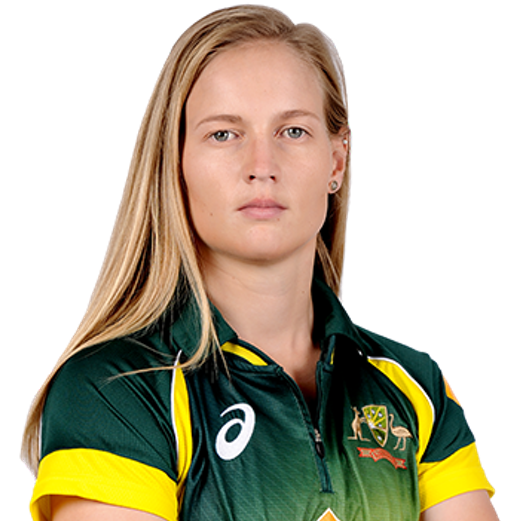
Episode 22 - Meg Lanning
8 September 2020 · Steve Prior
Listen to this episode ·
Subscribe in Apple Podcasts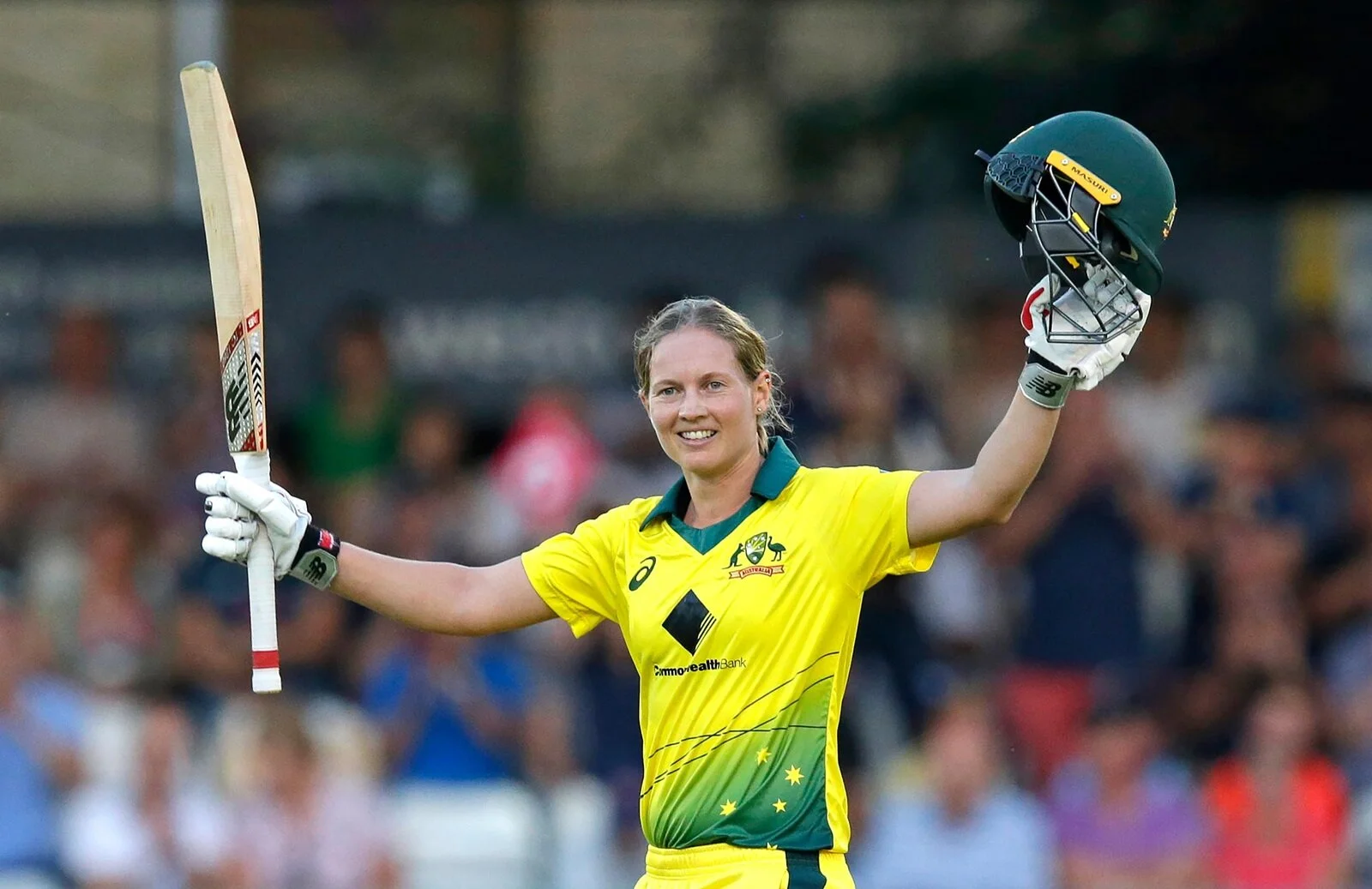
Episode 22- Meg Lanning
Back in March this year, on International Women’s Day, over eight-six thousand fans packed the MCG to witness Meg Lanning’s Australian team defeat India to win their fifth world cup title. Only the third cricket captain, male or female, to secure a World Cup on home soil; Meg has become one of the biggest names in world sport and sits amongst our most successful athletes of all time.
This week we’re excited to introduce a new hosting team. Sarah Forsyth is joined by her sister Steph for a chat with their great friend Meg. We’ll hear about the drama of that World Cup tournament including the rain in Sydney and Katy Perry on stage in Melbourne. We’ll also hear about Meg’s early career where she picked up a premiership with Hawthorn Hockey Club, juggling injuries and commitments as a professional sportsperson and learn about a packed forthcoming schedule including, for the first time, cricket at the Commonwealth Games.
You can find Meg on Instagram at meglanning7
00:00:56: Introduction
00:03:05: Social Media
00:04:01: Hockey Career
00:08:58: Switching to Cricket
00:10:42: Training Setup with Australia
00:12:47: No More Bowling
00:14:03: Preparation Under COVID
00:17:21: Becoming Captain
00:19:48: A New Perspective While Injured
00:23:15: Most Rewarding Moment
00:25:33: The World Cup
00:42:10: What’s Next?
00:45:03: Juggling Commitments
00:46:11: Study & Future Plans
00:50:38: Advice for Young Athletes
Episode transcript
⚠️ Automated transcript
This transcript was generated automatically from the episode audio and lightly corrected. It may still contain transcription errors, and individual speakers are not labelled.
This week we’re excited to introduce a new hosting team. Sarah Forsyth is joined by her sister Steph for a chat with their friend Meg. Meg is an accomplished hockey player who played in junior state teams, was involved in the VIS program for a while, and won a premiership with Hawthorn Hockey Club. Meg Lanning, of course, is now more widely known as captain of the Australian women’s cricket team. Welcome to the Camberwell Hockey Podcast. It seems a very long time ago now, during our current lockdown, but back in March, on International Women’s Day, over 86,000 fans packed the MCG to witness Meg’s Australian team defeat India to win their fifth World Cup title. We’ll hear all about this, about hockey memories, forthcoming tours, and more in this great episode.
You can find Meg on Instagram, at meglanning7. Thanks, Meg, for joining us on the show. Here’s Sarah. Hello, welcome to today’s podcast. My name is Sarah Forsyth and I am hosting alongside Steph Forsyth. Today we are fortunate enough to have an exclusive interview with Meg Lanning. Most of you know her as one of the world’s best cricket players and the Australian women’s cricket captain. We will discuss her pathway into cricket, her cricket career and leadership throughout today’s podcast. However, most of you will be unaware Meg also had a blossoming junior hockey career. Meg and I became good friends playing Hot Shots and state hockey teams together. From rooming together in Ipswich when we were 13 years old to the highlight being winning the under-18 national championships in Port Lincoln. Now Meg doesn’t need an introduction, but we are going to give her one anyway.
In 2006, at just 14 years of age, Meg was the first female to play first XI cricket for Carey in the APS. In 2008, at 16 years of age, she made her debut for the Victorian cricket team. In 2010, at 18 years of age, Meg made her debut for the Australian cricket team. In 2014, at just 21 years of age, Meg became the youngest ever male or female Australian cricket captain. She is the youngest male or female to score a one-day international century and the first male or female to score 2000 T20 runs. Meg was the ICC Player of the Year in 2014 and 2015. She has 13 one-day international centuries and two T20 centuries, with one being the famous world record in the Ashes last year, where she scored 133 runs off 63 balls. Meg has captained three T20 World Cup wins and captained two Ashes wins against England.
To top it off, Meg was captain of the One Day International and T20 ICC Team of the Year last year, and of course captain of the winning World Cup team here in March this year. Meg, thanks for joining us today. It’s a pleasure to have you. No worries. Thanks, Steph and Forky. Good to be here. Meg, I want to start by mentioning your lack of social media presence. With many athletes capitalising on social media today, you are in rare company as one of the only high-profile athletes who don’t utilise social media as frequently. I have tried on many occasions to get you to post on social media, and you have always held firm in your belief in privacy. Can you explain a little about this, as social media is so prominent in sporting athletes these days? To be honest, I just like to sort of stay pretty private and not put too much out there. I don’t think I’m that entertaining either. So yeah, I just sort of keep my photos and things like that to myself and let the others who are better at entertaining do that.
But I’m a bit of an observer on social media, so I’m on it and I look a little bit. But yeah, I try to make myself post once a month. I haven’t been sticking to that, but it’s a work in progress. So let’s start by discussing your hockey career, Megan. When did you start hockey and how did you get into it? I started playing hockey in Year 7. So that was my winter sport at Carey. And then sort of, yeah, joined the Hot Shots as my sort of pathway team there. So that was good. And I played a bit of club hockey for Hawthorn as well.
So I sort of always wanted to play hockey growing up, but I didn’t get the opportunity to do it until Year 7. And, yeah, I loved playing it up until a few years ago. We won’t hold that against you for playing for Hawthorn. And I still hold it to all our listeners today. Meg will come back to hockey post her cricket career. And I look forward to her joining Camberwell Hockey Club, of course. Now, Megan, what was the highlight of your hockey career? I would have to say our under-18 tournament win in Port Lincoln and runners-up the year before that in – where was that?
Canberra, I think it was. That was in Canberra, yeah. Yeah. And to be honest, when we played in under-15s and whatnot, we were pretty awful. We came to the bottom of the ladder most of the time. Somehow we turned it around and it became quite good. So, yeah, to be able to beat – I think it was New South Wales we beat New South Wales. Yeah, I think it was. We lost to them the year in Canberra and then we beat New South Wales in the grand final in Port Lincoln.
Yeah, yeah. So, yeah, that was certainly a highlight. It was a lot of fun, that tournament as well. when you go away for a couple of weeks with your friends and sort of enjoy each other’s company and play a little bit of hockey here and there, it’s always good fun. Should we tell everyone our secret ingredient to winning that championship, Megan? What, the Caramello Koalas before you? Yes.
I don’t know if we should divulge that to everyone today, but we did eat a Caramello Koala before every game and look what happened. Yep, it worked a treat. It did work a treat. And just for all the listeners out there, Megan won’t say this because she’s too humble. But we won that grand final 4-3 against New South Wales. And Meg, do you want to tell the listeners how many goals did you score for us that day? I tapped a couple in, mostly from a metre out from the goals.
I didn’t really do much of the work. But yeah, I scored. I think I scored all four goals, actually. She did score all four goals. Just to clear that up for everyone, it was more than a couple of goals. And I like to say, Megan, I think I created your hockey career because you put all the finishing touches on, but it was me that set all the players up for you. Would you agree with that? Yeah, I was a cherry picker when I played hockey.
I just sort of stood on the post and deflected a couple in, so I definitely relied on others to get my goals. I couldn’t defend to save myself. I think every team needs a cherry picker, to be honest. You know what? Every team does. Meg obviously stopped playing hockey around that time for obvious reasons, and we went on to play under-21 and we were still pretty handy. You know, we made a few grand finals and everything.
But for our three years in under-21s, we could never win the tournament. We could never win the championships. And everyone would be like, oh, I just don’t understand. You know, we’re pretty good. We’ve got the same, you know, pretty much the same team. And you know what was missing, Megan? You. Everyone needs a cherry picker. We all need someone to score the goals. So we did miss you in the next few championships.
Now, one of the other highlights for your hockey career, I’m sure, was winning. How many premierships did you win with Hawthorn Hockey Club? I think I was only part of one of them, and that was the very first one we won. We played Essendon, I think, in the final. I remember throwing a goal against Cassie Brock, who’s one of my good Essendon goalkeepers, so she still doesn’t like me talking about that to this day. But, yeah, even once I left Hawthorn, we were quite successful. They were, yeah.
And you used to play the odd game until a few years ago, didn’t you? Yeah, I did. Probably five or so years ago now was my last game. I sort of played when I could for a little bit, but cricket got a lot busier, so I had to watch them. So, Meg, is it true growing up when you were quite young you actually wanted to play hockey for Australia? Yeah, that’s correct. Growing up sort of through primary school when I was younger, I always wanted to say I wanted to go to the Olympics and win a gold medal in hockey.
And that was before I’d even actually played any hockey. Yeah, I guess the Hockeyroos were quite successful when I was growing up, so I guess that made me want to be involved. But I was definitely nowhere near good enough to reach that height. I don’t think… Again, I think you’re being a bit humble there. You had a VIS scholarship for a few years there, and I think Katie Allen, one of our past guests, will vouch for me here that Meg was well and truly on her way to playing hockey for Australia.
But what age did you realise you had to make the decision as to which sport you wanted to pursue, Meg? Oh, I think it sort of made the decision for me in a way. When I got picked to play for Australia with cricket, which was when I was around 18, I think it was, that sort of just took over most of my time, I guess. I had to commit a little bit more time to cricket and training and we were going away a fair bit. So once I got to that point, I guess cricket became the focus and hockey, I was playing as much as I could, but it sort of fell back into the background a little bit.
I think we can forgive her for that decision. What do you think, Steph? I think it’s fair. If only hockey got in first, it would have all been sorted. Yeah, maybe we’ll blame the Australian hockey system for that, for getting her up in Perth soon enough. Now, Megan, how did you get into cricket then and what was your pathway into the cricket junior system? Yeah, I started playing cricket like most kids out there, I think, in the backyard.
There’s five kids in my family, so there were plenty of people to play a game. Through primary school, I grew up in Sydney, actually, and my primary school, I always played with the boys at recess and lunch. None of the other girls played cricket, but, yeah, we just played at recess and lunch, and I just loved running around, being active. It didn’t really matter which sport. And then one day, one of the teachers came up when I was in Year 5 and said that there was a regional girls team that I could try out for and I thought I’d give it a go and I ended up making that team and then that was, yeah, that was sort of where it all started in terms of competitive cricket and loving the game.
And what does an average training day look like for you, Megan? Obviously not outside the pandemic time, so let’s take it back nine months ago. What does an average training day look like for you? Yeah, generally it’s a relatively full day. There’s a lot more emphasis these days on strength and conditioning than what the sport when I got started, especially sort of power stuff and things like that, trying to be able to move quicker and hit the ball further and things like that.
So skills takes up a lot of the time. So in general, we’ll sort of do a three-hour net session, give or take. I don’t bowl anymore, so I just sort of back the majority of that time, which is pretty cruisy for me. and then some fielding in there as well. And then we usually do a gym session, which is probably an hour and a half, give or take, and then some running as well, which is all pretty short and sharp. We don’t do too much longer stuff, especially once we get into the season. So, yeah, most days we sort of feel with that sort of stuff.
Yeah, I mean, cricket playing the game actually takes a while too and we seem to spend a lot of time training as well. So it goes more than you think, but certainly a lot more than what we used to do. And, I mean, does your training differ in terms if you’re leading up to your T20 games or a T20 tour versus, you know, a one-day or an Ashes tour, which is going to consist of a Test match as well, or does it stay pretty much quite similar? I would say it stays quite similar, to be honest. My sort of game, from a batting perspective, doesn’t change a lot from T20 to 50-over.
You’ve obviously got a little bit less time and sort of pushed the game along a little bit quicker. But I try to go out there and bat the same way each time and then adjust to the situation as needed. So for me, it’s not too different each time I train. But there are some players where it will be different, especially bowlers and things like that. I think from a bowling perspective, you probably have to get a little bit more defensive in T20 cricket and think about how you can stop the batter from scoring, probably a little bit more than one-day cricket.
Variations as well. Yeah, variations and what that looks like. So for some players it would change a little bit, but for me personally I try and keep it the same as much as I can. So why did you give up your bowling, Meg? I lacked direction when I was bowling. I could bowl quite quickly actually. What was your pace like? What were your figures? Oh, I couldn’t tell you.
I got some handy wickets along the way though. Did you ever actually bowl for Australia? I think you did, didn’t you? I’ve got three international wickets. There you go. See, I knew you bowled for Victoria, but I didn’t know if you actually bowled for Australia. So in the early days, you actually did bowl for Australia. But were there just too many wides and no balls in there, were there, Megan? I only bowled when we were stuffed. Desperate.
Yes, desperate. And so we needed something to happen. They’d throw the ball for me because I didn’t know where it was going. And now one of the positives to being captain is that you never have to worry about that because you never choose yourself to bowl. Yeah, I would never choose myself to bowl. So, yeah, it was – I actually – back in the day, I actually made my first state team as a bowler. I was a bowler who batted a little bit. I was very accurate, not quite as quick, and then I don’t know what happened. I lost the plot and can’t bowl straight anymore.
Got the yips. I got the yips, so I’ve retired from that. You got the yips and it never left. Good decision. Yeah. Now, in terms of at the moment, obviously, Meg, you’re a Victorian and stuck in Melbourne like a lot of us. How has your training looked like for the last six months and how has it changed during these challenging times? It’s been quite different to what we’re used to.
Obviously, the sort of COVID pandemic started directly after our World Cup ended, so we were pretty lucky in terms of getting that in. And then we actually were sort of headed for a bit of a break anyway. So the start of the pandemic, I guess, wasn’t too bad because we were due for a bit of a break. And so, yeah, it was just pretty quiet during that time, which was nice. And for the last few months, we’ve been back in training. We’ve been lucky enough to get some exemptions to keep training at Junction Oval.
So, yeah, it’s still been quite a reduced load to what we’re used to. So at the moment, we’re preparing for a tour for New Zealand and we’re restricted to just training sort of three times a week in sort of three-hour time slots. And, you know, ordinarily we would be training pretty much every day during the week and even like a Saturday morning. So we’ve had to learn how to be a lot more efficient with our time because we just don’t have the ability to be training as much as we’d like to. And there’s been a few home gym sessions and things like that being done over time and trying to, yeah, run around a little bit and make most of the exercise hours.
So, yeah, it’s been an interesting time but we’re pretty lucky to be able to keep going with what we’re doing. Now, Meg, obviously Victoria’s in the Stage 4 lockdown but you’re even in a tighter lockdown through Cricket Australia. Can you just talk people through that at the moment, this two-week of this extra harsh lockdown that you’re going through? Yeah, I can. And so, yeah, so we’re at the moment right in the lead up to the New Zealand series that we’re playing. So from two weeks out from when we head up to Brisbane, we are essentially not allowed to go inside anywhere.
So we can’t go to the supermarket, no inside cafes. Everything has to pretty much be delivered to our houses and we’re allowed to exercise just by ourselves. We’re not allowed to go for a walk with anyone or anything like that. So it’s essentially just being very COVID safe and showing the governments that we’re doing everything that we can to stay safe and keep the community safe and be ready for the tour. So we also had to get a COVID test every week. So I’ve had two. I’ve got one more to go before we leave.
And then, yeah, we head off on the 6th of September. So pretty much I’m either at home or at training at the moment. That’s pretty much where I am. Well, Megan, how are you going with your coffee, seeing you can’t go in anywhere? I know how much you love your coffee and you pretty much go out and get a coffee every day in Melbourne. So how are you dealing with that? Yeah, it’s been a challenge. I’ve got myself an Aeropress, which I’ve been using a little bit, which has been nice.
But we are allowed to go to cafes as long as they’re outside. So they’ve got a little hole in the wall. You can go and order your coffee there. But that does limit the places that you can go to. You’ve got to sort of think through a little bit. But when in doubt, I’ve just been going with the Aeropress. Good. Maybe that will go on tour with you. Definitely will be, yep. Very nice.
Now, in terms of captaining, you were first captain when you were 21, which is pretty young and we’ve heard that you were the youngest male or female to actually become the Australian cricket captain. Did you have any leadership positions before this? No, I had no leadership experience prior to captaining Australia. I hadn’t actually even captained Victoria up until that stage. And all through my junior career, I had never been in a leadership position. And to be honest, I hadn’t really given it much thought. I was pretty happy just being part of the team and contributing in that way. And I never really thought that I had leadership capabilities.
So obviously, someone else did think that I had something. And yeah, I actually got given the vice-captaincy of an Ashes tour, sort of out of the blue. And the captain, unfortunately, at the time, injured her finger sort of halfway through that series and somehow I found myself in charge of the Australian cricket team and I was literally making it up as I went along because obviously I had no prior experience but I had some good support along the way. So it’s been a nice journey so far.
It’s been very challenging and sort of taken me out of my comfort zone but I love every moment of it. That’s good. And what have you, for the listeners out there, What have you learnt about leadership over the seven years? I think the biggest part of leadership is building relationships and understanding the players and even support staff who you’re involved with because, you know, you want to embrace people’s individual personalities and differences and strengths and things like that in order to be able to harness that.
You need to understand them and allow them to feel really comfortable within the team environment. So I guess, yeah, my biggest challenge is to try and learn as much as I can about everyone within the team and build that trust and relationship and that helps to lead to on-field performance. And the on-field stuff sort of comes a little bit more naturally to me, I guess. You just sort of learn through experience with that and go on gut instinct a lot of the time. But, yeah, I just think that relationships and trust in terms of your teammates and building that is the most important thing.
Yeah, and that probably also just comes with age as well. So as you’ve gained more experience and you’ve matured over the years, that’s probably kind of come to you anyway. Now, in terms of building those relationships and everything, I know when you had your shoulder injury in 2017, one of the things that you said to me at the time was how much you’d learnt about being injured because we always used to have a laugh that I was always injured throughout all our junior hockey and that you were never injured and you were very lucky and we always used to have a laugh about it.
But I know that when you did get injured and you were going through your rehab in 2017, you said, wow, like I totally understand what injured people go through. So can you tell us about that challenge in your career and what you learnt from it? Yeah, I think looking back now it was a really good thing for me to go through, even though at the time I hated it. I guess like leading into that period of time, I’d never really been dropped or out of the side. So I’d always sort of been in the bubble, I guess, and hadn’t really seen it from anyone’s perspective when they were on the outside a little bit.
And I guess I found it hard to relate to players who were in that position. So for me to, you know, I wasn’t dropped, but I wasn’t in the team and I wasn’t involved in everything everybody else was. So it just gave me a little bit of perspective on how that feels. I remember I was at the Test match in North Sydney Oval and I was there watching with the team. I just remember being in the change rooms and just feeling really awkward and not knowing where to sit or who to talk to or what to do.
And I sort of was a bit of a light bulb moment, I guess, because I was still the captain of the team. I wasn’t playing, obviously. But if I was sort of feeling like that, then it sort of gave me a little bit of an idea of what other people feel like when they’re slightly on the outside. So that just really allowed me to have more conversations with people around how they’re feeling and what it looks like when things aren’t going as you plan, I guess. So from a leadership perspective, it’s actually been a really good experience to go through and I feel like it helped me to have a little bit more empathy and understanding of what other players are going through.
Yeah. And do you have any advice for people that do suffer long-term injuries and how to get through that? because it is a common challenge that many people have throughout their sporting careers, whether they be hockey players, cricketers. What advice would you actually give people of all ages? I think it’s important to sort of do it your way a little bit in terms of how much time you spend with the team. Like at the beginning I was like, oh, and I’ll be around the team all the time, like I want to sort of be around.
But that actually made it even harder watching people do something that I couldn’t do sort of thing. So just getting that balance right for you in terms of, you know, your rehab but also still being a part of the team because everyone wants to feel part of it. So it’s going to be different for everyone but just working out what that looks like for you and trying to, yeah, get the balance right between being around and part of the team but also making sure you’re looking after yourself at the same time. Yeah, and I think that’s also good for us as players to have probably more understanding of when people are injured because as you said, you’ve learned a lot from being injured yourself.
But even when on the flip side, when, you know, someone else is injured, you can understand kind of the struggles they’re going through and the fact that they may not get to every session because they’re doing their own rehab or trying to, you know, maintain some positivity. Now, what would you say the most rewarding thing about your playing career has been? Well, I’ve been lucky that the Australian team that I’ve been in has been very successful over a long period of time, even from when I first came to the squad.
There were a lot of great players and they really sort of brought that winning, I guess, attitude. And, yeah, I was lucky to be a part of that. But no doubt the T20 World Cup just gone in March has been the biggest highlight of my career. There was a lot of build-up to that tournament and we, yeah, sort of rode the wave a little bit. We weren’t great at the start of the tournament, but we sort of hit our straps towards the back end and that whole experience is certainly something that I won’t forget.
Now, Meg, just before Sarah gets into the specifics of that World Cup tournament, I just want to talk about one important part of that tournament and it was the Katy Perry concert. Now, I know you’re not a big hugger and you actually were in the celebration after the World Cup, but one of the greatest things when Sarah and I at the game watching you was watching you celebrate after you got on stage, you danced. Couldn’t believe it.
You wanted to watch at times. And I did a really, really good video which your mum loves. And I just want to talk her through getting up on stage, giving Katy Perry a big hug. I know you’re a big Katy Perry fan. So what was that like being up on stage with her?
Yeah, that was amazing. I’ve actually got a couple of really cool videos as we sort of walk up on the stage.
And yeah, there is a photo of me hugging Katy Perry, but what that doesn’t show is that she sort of — she actually snubbed me just before that, and I’ve got her on video. I was just going in for the hug and she went next door to someone else, so that was a little bit awkward. But I got her in the end. And I’m an awful dancer
nobody was really watching me I hope they were watching Molly Strano, Sophie Molineux and Erin Burns because they were a lot better. But, hey, you don’t get to dance on stage with Katy Perry very often. You don’t. I wanted to make the most of it. And she was very generous with letting us take over her stage for a song. I remember just before that when we were having a chat after you won on the turf listening to Katy, you were saying to me, we just want to get on stage. And I’m like, well, get on stage.
Just get up there. Oh, Forsy, we can’t. There’s security and, you know, but blah, blah, blah. And I’m like, Megan, just jump up on stage. So it was amazing watching you all jump up. And I think it was just the pinnacle at the end of actually winning to actually be able to celebrate on such an amazing day with Katy Perry. Now, I am going to take it back a little bit for that World Cup. What we all want to discuss about it, we all want to talk about it. Did you feel the expectations going into that World Cup tournament?
Yeah, I guess so. There was such a big build-up from a year out. There was a lot of talk about it. And the bit that I guess we found the hardest, but it was hard in terms of the media, all they wanted to talk about was the World Cup final.
And any athlete out there knows that there’s a lot of steps before you can actually get to that point. And no doubt we wanted to be part of that. But just being really careful in how we approach that. And, you know, we wanted to really embrace the fact that, you know, it could be an amazing World Cup final. And we wanted to be there at the MCG on that night, but also acknowledging that, you know, World Cups are extremely hard to win, let alone get to the final. So, you know, we had to make sure we kept ourselves in check there.
But I sort of knew we’d be all right in that respect, just with our attitude and things like that. We never really got ahead of ourselves. We knew it was going to be difficult the whole time. But the media seemed to think that it was a given that we would be there, but we were very clear on the fact that there was a lot to do before we got to that point. And I don’t often defend the media, well, very rarely actually, but in the lead-up to that World Cup, you’d practically won every tournament in the past few years.
So you can understand why they were building it up and wanting to fill the G, but you also have to appreciate the pressure, I guess, that it puts then on the players as well. And we know you had a poor first game, So your first game was in Sydney against India and basically India just spun you out on a slow pitch and basically completely outplayed you guys. How did you pick yourselves back up and turn up for the second game and not drop your heads with such a disappointing start to the tournament? Yeah, we were very disappointed after that first game. In the dressing room after the game, it was a very sombre mood. And really because what actually happened out there, especially with Bat, it was sort of how we knew that they would play and we did not play how we said we wanted to play, especially against Poonam who got all the wickets.
We actually had sort of a plan to her and we just did not do that at all and that was probably the most frustrating thing. So I don’t know whether the pressure got to us, you could probably say it did, but we did not handle that situation very well at all and that was, yeah, we took that loss pretty hard. But I guess the good thing about tournament play is that you really only got a couple of days between that and the next game and you got a different opponent as well. So it sort of helped us get back into it pretty quick. But, yeah, it was just such a massive build-up and then to perform like that against a really good Indian team, like it wasn’t going to be easy.
And that’s the thing with T20 cricket is, and I think the media forget this sometimes, is that T20 cricket is very fickle and, like, one can change the game in an over or a few balls even. And like if one person has an amazing few minutes, that actually can win you the game. So the best team can always win. It’s actually about what happens on the night. So, you know, we’re very aware of that. I think everyone who plays cricket would understand that. But the media just seems to think that the best team on paper is definitely going to win.
And in T20 cricket, especially the shorter the format, the closer it sort of brings teams together. Yeah. And, I mean, the second game, in my opinion, was your best game. So just for the listeners out there that didn’t watch the game or don’t remember it. So Healy and Mooney were the opening batters and they went out quite quickly. And then Ash Gardner went out fairly early as well. I think they were all in single digits. And this was after you’d lost the first game.
So I know you were at the crease with the vice captain, Rachael Haynes, and that was the most important partnership of the tournament, in my opinion, but also in Matthew Mott, your coach’s opinion, who also said that was the turning point of your tournament. Now, in that innings, Meg, you weren’t really on top of your game. Like, let’s be honest. No, I wasn’t. You were a bit scratchy, and I remember, you know, watching it and you couldn’t hit the ball behind point and you weren’t hitting it through covers. And I was desperately worried about you because for anyone that knows Meg, that’s where she, you know, just put all the players on the offside and you’ve got a bit of a hope of stopping it.
And you were missing a few on the outside off. But I mean, I think the critical thing was that you still got through and that you battled on. And that’s why I think it was an extraordinary innings because you weren’t on your game, but the team needed you and you stepped up. So my question is in terms of whether you’re a cricketer or for the hockey players out there, when you kind of know you’re not hitting them as well as you want to, how did you just battle through it and keep going for the team? Because a lot of times it would just be easy to throw your wicket away and go, oh, this is just not our day. What were you thinking mentally and how did you become so resilient to actually get through that innings?
Well, I can tell you that there’s been a lot of times in my career so far where I have thrown it away and it hasn’t worked out. And I was very lucky on that occasion as well. I think they turned to review on me when I didn’t hit it and then when I hit it, the umpire didn’t give me out and they didn’t have a review. So that was a bit of luck. But, yeah, I guess I’m just like I’m a really good person and I like to win. And in that moment, it was sort of my turn to dig in a little bit.
And we were lucky in that respect that we were only chasing, I think 120 or something like that. So me and Rachael, who I was planning with, we spoke about it. Like we didn’t have to go really hard straight away and we actually needed to just absorb a little bit of their excitement because when I guess you’re playing teams who are not expected to beat you, if they get a little bit of a roll on, they get really excited in the field, they get a lot of energy and if you let that keep going, then it can become an issue. but as soon as you build a partnership, they go quiet pretty quick.
So we knew that was what we needed to do in the beginning of that partnership. And then once we got through that initial stage, we just were batting really because we weren’t under a lot of scoreboard pressure. So it meant that we didn’t have to do too much. So Rae batted really well in that game. She was hitting the boundaries and I was just scuffing them to the field from the boundary, not doing a lot. So I guess that was a good lesson as well in terms of I wasn’t going well, but Rach was. So together in the partnership, we were actually doing what we needed to do.
So sometimes you can get a little bit focused on what you’re doing and how you’re going instead of thinking about the team and just playing a little bit of a role. So I guess on that day, that was how I saw it. Yeah, which is actually so interesting for the listeners to hear because a lot of it is you don’t even realise how much batters actually communicate with each other and almost make that decision. okay, Rach, you’re going to kick on and be quite aggressive. And then you were kind of anchoring the innings. And just for listeners out there, Megan still made 41 not out.
And when you said you went under much scoreboard pressure, Meg, you only got the runs in that final over. Am I correct? Yeah, that’s correct. Yep. So it was quite close. We were all the way through. We essentially knew we needed one big over in the innings. Yep. And when one of their bowlers came on and Rach was hitting with the wind, pretty much she said, okay, this is it.
And she went and she hit two sixes and then we were in front. And then we’ll skip forward a couple of games where they went quite well. And, you know, you guys were getting back on track and had a nice game against New Zealand, which was a critical one here in Melbourne. And then semi-final day, gosh, that was a long day. And I remember messaging you in the morning and I was, you know, said, oh, you know, the rain will settle down, you’ll be fine, you’ll get on, good luck. And in my own private head, I was like, oh my god, they’re not gonna get — they’re not gonna get a game here, it’s gonna be washed out. When she was sending you those messages? Well, she was sending me messages going, this game’s not gonna go ahead, the game’s gonna be over, they’re not gonna get through to the final, this is so unfair. Well, my mum was supposed to fly up to Sydney with my dad to watch, and Susie Jay just really thought that the game wasn’t going to go.
So she didn’t even fly up. She just thought we were done. Well, I think Susie Jay and I are the worst pair. And I’m always glad that we didn’t sit together in that World Cup final because I think we’re more nervous than you are most of the time, Meg. And that was the most stressful week of my life, watching that World Cup. But basically, England and India was the first semifinal. And that got called off. And then take the listeners through then kind of what took course over the next few hours, we’ll say, on that semi-final day.
And it was in Sydney, wasn’t it? Yeah, well, it was the SCG. So essentially we’d finished second in our pool. So if we didn’t get on at all, South Africa would have gone straight through to the final. So we wanted to play. So that was actually a good position for us to be in mentally because I guess if you’re in South Africa’s shoes, they would have been like, oh, well, if you don’t get on, it’s not a bad thing.
but we really obviously needed to get on and play. We had a lot of luck that night. I’m not sure what happened but someone was watching over us and allowed us to get on the field because it had bucketed down the whole day. It was just not good and we were all sort of pretty nervous heading to the ground. It was belting down with rain heading to the ground. Rain for a lot of the time while we were there and then sort of saw a few gaps in the radar and thought maybe we could get on and then somehow we were able to start pretty much a full game from when we started.
We lost the toss. Well, I lost the toss, which is pretty normal. You lost it, which is, yeah, I was about to say, just for the listeners out there, I know the toss is supposed to be 50-50, but I reckon you’re 30-70. Yeah, if I’m lucky. But a lot of times we lost to lose because I didn’t really want to have to make a decision on what we were doing because, yeah, I think ordinarily when there’s weather around, you usually field first, send the opposition in, and that’s probably what we’ve done.
But it sort of worked in our favour a little bit. Us batting first, we ended up batting for our full 20. Yeah, I batted for probably 15 overs or so and got 50, 40, 40-something, I think. 49 and not out, Megan. Yeah, yeah. So I was going a long way at the start, but I didn’t really finish with a big flourish, which was disappointing. We lost a few wickets through the middle, which halted us a little bit. So I think we got 128 maybe.
Sounds about right. Yeah, something like that, which was okay. But we were by no means sort of a lock-in, and South Africa had a few good players to come out. But just as we were finishing our batting innings, it started to rain again and then it rained through the innings break and so we were delayed starting our fielding innings and we really thought we were done then. And I actually think that would have been worse if we’d started the game and we were in it and then it rained again and we didn’t get to finish it.
So, yeah, we just pretty much had our fingers crossed that it was going to stop and when it sort of eased a little bit, we were out there warming up, getting ready and South Africa was still in their change rooms just sort of watching. So we were obviously keen to get out there and then, yeah, our bowlers did a great job and it was pretty tense the whole way through, to be honest. But, yeah, our bowlers did great. And it was a shortened innings as well because of the rain, wasn’t it? It was nine overs, I think, we ended up bowling. So that you could just go all out, full aggressive.
Yeah, yeah. And that’s when teams are often dangerous. You know, the less overs there are, the closer again it brings the team. So, yeah, it was very nerve-wracking. I don’t think I’ve ever felt so sick during a few innings or nervous. Like every ball just was really important. And, yeah, it was certainly a great game once we got to the end of it. It was. And then on the plus side, we had a very enjoyable cruisy grand final. Yeah.
So, I mean, it was an intense tournament, but it was just wonderful that you could enjoy that grand final and just talk us through what it was like to be out there, you know, and kind of know you had it in the bag for a while. Yeah, yeah, it was quite funny how it all panned out. Obviously, all the stress and nerves throughout the tournament, you often think that it would be at its worst during the final, but it was the total opposite, really, and we actually saved our best performance to last, which is something I’m really proud of our group for. To be able to, on that stage, put a really good performance together just sort of shows where we’re at as a group and our skill base, I guess, but also our mental ability to embrace what we were heading into, you know, something that we had never experienced before and India hadn’t either and I just could see in our team that we were ready to take it on and embrace it.
We weren’t scared by what we were heading into. 86,000 people obviously can make you a little bit nervous but we didn’t look nervous at all really. We were really excited about the chance. Everyone had smiles on their faces in the warm-up and we just wanted to make the most of what was going to be an amazing opportunity and I think India got a little bit nervous and probably didn’t quite embrace it as much as we did and I think that sort of showed in the performance. And, yeah, it’s not often in a World Cup final that you get to soak it all in, I guess, and know that you’ve won it from a little way out.
So, yeah, those last sort of five overs in the field were pretty cool and especially that last catch by Ash Gardner was very exciting and we were all running around like idiots, I think. But that was certainly a good night. And, Meg, what was the atmosphere like on the field? Sarah and I were in the stands of that moment with your family and I know for us it was so electric. It was like it was similar to an AFL final. There was 85,000 people in the stadium. There was so much energy.
But what was like that on the field? I’m sure that would have been the biggest crowd you would have played in front of. What was it like for you guys out there? Yeah, it was amazing. Certainly, yeah, the biggest crowd by a long way. And I just remember when we were probably five overs or so for the end and everybody had their phone lights on and the Mexican wave was going and we were just sort of looking at each other in the field, smiling at each other and, yeah, just trying to take it all in really.
But, yeah, the atmosphere was incredible. The roar when that last catch got taken was, yeah, certainly something I’ll never forget. And, yeah, the whole night, the lead up, the Katy Perry concert at the end, like nothing really. Like everything just went how you would imagine it to go and that just never happened. So we were very lucky. I think that was the first time in my whole entire life I’ve shed a tear for happiness, the pure relief and happiness.
Even though I knew you guys were going to win, when Ash Gardner took that winning catch, oh, it was just the most incredible thing. just knowing the build-up to such the big tournament, because, you know, you’ve had big games in the past with, you know, losing to the West Indies and, you know, winning a few World Cups before, but I think that one was definitely the most exciting. Now, what’s next on the cards for the women’s cricket team, Meg? You’ve obviously got this tour that you’re in semi-quarantine now before you head off to Queensland to quarantine, and we know the World Cup got cancelled for next year, But what’s next for the women’s cricket team?
It’s a good question. Yes, we’ve got New Zealand coming up, which is a six-game series which we’re looking forward to. And then we’ve got our domestic schedule, so WBBL, which will sort of run October, November. We’re not quite sure what that looks like yet. Probably be in a hub as well. But really post that, it’s sort of up in the air a little bit. India are supposed to come out here in January, Feb for a tournament. That was supposed to be pre-World Cup.
But we’re not sure whether that will go ahead or not. So sort of 2021 actually looks relatively quiet at the moment. I’m sure there’ll be some cricket in there somewhere, but it’s not really a busy schedule. But once we get to 2022, it’s a different story. So we could potentially at this stage have a Home Ashes series and then a One Day World Cup and then the Commonwealth Games. Cricket’s actually in the Commonwealth Games. Oh, yeah. So you’re going to live out one of your childhood dreams, just not in hockey, it’s going to be in cricket instead.
Who would have thought? No, I didn’t think that would happen. So looking forward to that, that’ll be really exciting. And then potentially a T20 World Cup too on the back end of that. So we could have four really massive tournaments in one year. So maybe a little bit quiet next year, but I’ll be pretty busy after that. Yes. And I mean, what have you seen from a women’s sport perspective? Obviously, there’s been a huge growth in it. What have you seen as the biggest change in women’s sport over your, say, 10 years?
I think it’s twofold. So obviously there’s more professionalism, I guess you could call it, in women’s sport at the top end in terms of the elite pathway and how many resources are put into that now into allowing people to become much better athletes and sports people in their chosen sport. But the other thing which I think is great is the opportunity for, young people to get involved in the game and play sport. When I grew up, there really only was boys’ teams to play cricket in. And I didn’t mind that, but I’m sure that was a barrier for a lot of young girls coming through.
And now they’ve got the opportunity to play in girls’ teams and sort of get into cricket that way. And it’s not just cricket, it’s hockey as well. And there’s other sports, AFL, which are sort of growing in that respect as well. So, you know, there’s just so many great opportunities to play sport and be active at whatever level you would like, but that’s certainly been a big difference since I came through. Yeah. And, I mean, how have you gone — well, not so much anymore, because at the current time cricket is obviously your job and the most important thing, but when you were younger, how did you go juggling school, hockey, cricket and then obviously studies, cricket and a bit of hockey.
How did you go juggling that and what do you think you learned from that? Well, I think it’s just something that sort of I’d always done and that’s sort of what everybody did, especially sort of 10 years ago when I was sort of coming through. You know, you’d train at night and study your work during the day. So that sort of just was the norm and you just sort of learned how to juggle all that. Time management was something that I guess you learned pretty early on and have needed to carry that through. Luckily now, yeah, cricket is full-time for me, so that takes up the majority of my time, but I’ve done a little bit of study along the way here and there.
So it’s nice to be able to keep that going. I think that’s really important because cricket will end at some point, probably not too far away. So there’s things that you need to have lined up, I guess, to do once you finish out playing sport. And, I mean, carrying on from that, you’ve just started your MBA. So do you want to tell listeners a little bit more about that? Because obviously you’ve already put some thought into that, Meg. Yeah, yep. So I’ve done a uni degree, an undergrad degree in exercise health science.
It took me eight years to finish a three-year course, but I got there. So that was nice. And then, yeah, especially over this last sort of four or five months where I’ve had a little bit more time on my hands than I thought I might, I sort of decided it was a good chance to do some more study and I wasn’t really sure what I wanted to do, but an opportunity came up to do an MBA and I hadn’t really done a lot of business studies previously. I didn’t know a lot about it, so I thought, you know, no better time to get into it and learn something new and I might not like it, but at least then I’ll know.
So, yeah, I’ve really enjoyed it so far. It’s very different to sport, obviously, but there are some correlations, I guess, off the field in management and things like that. So, yeah, I’ve enjoyed it. It’s given me something to do during the day and so I feel very productive rather than sitting around and wishing I could be running outside. So, yeah, it’s been a nice change, I guess, to have something else to focus on. And what else have you been focusing on during these COVID times, apart from now since we’ve been in Stage 4?
But prior to that, I think you were enjoying some golf? I was, yeah. I’m nine holes from getting my handicap, which I had a round lined up on the Tuesday just after we got put back into Stage 4 lockdown, so that was a bit sad. But, yeah, I’m not very good at golf, but I enjoy it because I love being outdoors and active and it sort of kills two birds with one stone. I get to play sport and walk around, and it’s a good social thing to do as well. So, yeah, as I said, I’m not very good at it, but I give it a crack.
A bit like the tennis, not too good at that either, are we? We should have done that, no. No, we did enjoy some tennis during COVID. I think I took the cookies for that one. We were very competitive.
Couldn’t help ourselves, could we? No, no. I mean, it was always bound to happen. But the moment we thought we had it under control, we definitely didn’t. So there were some good lessons in there. Well, very good lessons. Just because you can play, hit a hockey or a cricket ball, does not mean you can hit a tennis ball. So I think we have new appreciation for that as well. So in terms of after your cricket career, Meg, do you have anything planned or anything that you’re thinking about doing?
Because I know you did your Level 3 coaching course as well. Yeah. To be honest, I don’t know. I’m sort of in the phase of trying to work that out. I did do the Level 3 coaching course because as, yes, a couple of players, we got the opportunity to be involved in that course. So I thought it was probably something good to do, you know, not really knowing if I wanted to be a coach or not. But that was a good learning experience.
And then obviously, yeah, I’m doing my business course at the moment. So I guess, yeah, there’s a little bit of trial and error while I’m still playing. So just trying to work out what I like and what I don’t like. And then hopefully when I retire, which is still a few years away yet. I’m going to give you another six years. Six, yeah, I’d be happy with that. Six years. That would be 34, would it be? 34, yeah. That’s still very young.
I might be able to get a year or so more than that. Well, you probably can. I didn’t want to make the goal too large for you and create that expectation. So that’s why I was trying to find a happy medium. Yeah, yeah. So I’ve got a bit of time up my sleeve, but I don’t want to go and have no idea where I’m going next. So hopefully I can work it. Meg, you’ll have to be forced from the ground, I can imagine. Imagine you’re leaving very early. Oh, I hope not.
I hope not. The warm-ups will get me, I reckon. I don’t know about any of you out there, but warm-ups get me every time. Meg and I used to have a saying in hockey. What was it, Meg? The poorer our warm-ups, the better we play. We always had our best games when our warm-ups were shocking. And I still remember that day in that Canberra game. We could not trap a ball that whole warm-up before the grand final, and we just turned to each other and said, we’re going to have a good day.
Yeah, warm-ups are, yeah. Warm-ups are overrated, people. You heard that from the Australian cricket captain and a physio, so, you know, overrated. Now, Meg, what advice would you have, just to finish off, just for young cricketers, young hockey players, young athletes, what advice would you have for them? I think just to give everything a go. I think we’re so lucky at the moment we get some really good opportunities to both play sport, try new things, meet new people, and just really embrace trying new things and getting out of your comfort zone.
And it doesn’t mean that you have to take everything on board or use everything that you see or do, but you never really know until you try. And, yeah, I guess sometimes we get a little bit stuck in our comfort zone and don’t really want to put ourselves out there. But, yeah, I just encourage everyone to try new things, experiment a little bit, be happy to make mistakes because that’s where we learn our best. So just don’t be afraid to take things on. Brilliant. Well, thank you so much for joining us today, Megan. It’s been an honour to have you here on our Camberwell Hockey Club podcast. As Stephanie said, it’s very hard to get you to chat.
You know, you do like to keep to yourself. So I’m glad that we had this exclusive interview with you today. So thank you very much for joining us. No worries. Thank you. Meg, I look forward to you posting this on your Instagram account. Just letting your followers know that you’re on the hockey, the Camberwell Hockey Club podcast. Yes, yeah. Well, they’ll be.
You heard it here. That I’ve posted. I mean, it just doesn’t help. I think I’m over a month from my last one, so I’m probably due. You’re due. We’re due for it. You just want an Instagram story. You don’t need to have a whole post about it. Oh, Stephanie, I think we’ve got to have a post. No, no one reads the posts.
It’s all the stories they tell me.
Well, there you go. See, this is why Meg and I are friends. Neither of us are any good at social media. And, in fact, it took us a while to get the technology going today to even do this podcast. So let’s hope it’s actually recorded.
On that note, everybody, thank you very much for listening. And thanks, Meg. All good.
You’ve been listening to the Camberwell Hockey Podcast. We’d like to send a big thank you to our hosting team, our guests, and you, the listener, for your support. If you enjoy the show, please give us a review on iTunes or wherever you get your podcasts. This show is recorded and produced by Camberwell Hockey Club in Melbourne, Australia. If you have any feedback, comments, or questions, please find us on Twitter at camberwell underscore hc or see more information on our website camberwell.hockey.
See you next week.