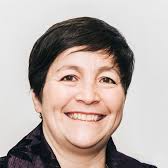
Episode 26 - Desiree Yap
6 October 2020 · Steve Prior
Listen to this episode ·
Subscribe in Apple Podcasts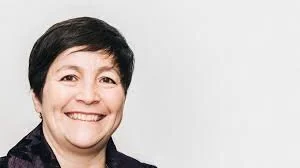
Episode 26 - Desiree Yap
This week we get to know one of our members. Suz Cannell presents an entertaining chat with masters player Des Yap who was encouraged into returning to our summer competition four years back and has continued playing ever since.
Outside hockey, Dr Desiree Yap is a specialist O&G with a passion for women’s health.She is a qualified specialist in both Australia and the United Kingdom and has a Master of Public Health and Tropical Medicine from James Cook University. On 26 January 2020, she was appointed Member of the Order of Australia for her ‘significant service to women’s health and to medicine.’
Des was on the board of Women’s Health Victoria for eight years and served as their chair for two. She is the past president of the Australian Federation of Medical Women, The Victorian Medial Women’s Society and worked in China as a Team Leader for the World Health Organisation during the initial SARS outbreak in 2003.
You can access some great resources from Women’s Health Victoria with a focus on health, equality and the prevention of violence against women.
Listen to hear about Des’ career and achievements and her strong advocacy for women’s health and professional equality. Learn about her mentors, leadership role and her thoughts and advice for young practitioners and new mums during a pandemic.
00:01:14: Introduction
00:06:13: Career
00:09:48: Advocate Women’s Health
00:12:50: Empower Women’s Health
00:19:41: Mentors
00:22:14: Advice for Young Practitioners
00:30:47: Order of Australia
00:33:14: Achievements
00:35:43: Medical Field Equality
00:38:11: Being a Leader
00:39:39: Health in the Pandemic
00:44:52: Advice to New Mums
00:48:32: What’s Next?
Episode transcript
⚠️ Automated transcript
This transcript was generated automatically from the episode audio and lightly corrected. It may still contain transcription errors, and individual speakers are not labelled.
This week we get to meet one of our members. Four years back, Des Yap was encouraged to play hockey, playing in our annual Summer Masters competition, and has continued playing ever since. Outside hockey, Des is Dr Desiree Yap, AM, a specialist O&G professional with a passion for women’s health. Welcome to the Camberwell Hockey Podcast. Suze Cannell joins the hosting team to present DrDes. Now men, do not turn off. I promise this episode is an entertaining chat with a passionate, energetic and accomplished professional.
You’ll learn about women’s health and advocacy, holistic health and access to playing sport in general. And you’ll hear about infection control work Des undertook in China during the initial SARS outbreak in 2003. You can check the show notes for some great resources from Women’s Health Victoria. www.whv.org.au with a focus on health, equality and the prevention of violence against women. Thanks Des for your time. You can contact Des through her Empower Women’s Health website www.empowerwh.com.au. Here’s Suze. Hello, I’m Susan Cannell and in honour of Women’s Health Week, I’m joined today by a member of the Camberwell Hockey Club Women’s Masters Team. Around the club, we know her as Des, the energetic, enthusiastic and encouraging winger who never gives up. But in her non-hockey life, I would like to introduce Dr Desiree Yap, a specialist obstetrician and gynaecologist with a passion for women’s health. On 26th of January this year, Des was appointed member of the Order of Australia for her significant service to women’s health and to medicine. One notable contribution over her impressive clinical career has included the establishment of Australia’s first early menopause clinic at Monash Health. Hi Des.
G’day Suze. How are you today? I’m pretty good for a grey cold winter’s day with no hockey. Yeah what a whirlwind 2020 has been hey? It has. In relation to hockey let’s start off with some easy and relatable questions then. Tell us about your hockey life that hasn’t really occurred in 2020 but when did you first pick up a hockey stick? I was introduced to hockey in year seven but it was Form one in those days, back in the dark ages. And I’d always hated netball because I was a bit on the short side, still am. And we had this Pommie PE teacher, I think from memory, it was Mrs Coghill or something like that. Anyway, she introduced me to hockey. I’d actually never heard of it before.
She also gave me a detention for having the wrong coloured underpants on under my school sports uniform. Don’t know what she was doing looking, but anyway. She did introduce me to hockey and I’ve never looked back since then. Fantastic. You’ve played since grade 7? I kept going. I played all the way through school and then I joined the Melbourne Uni Hockey Club. And, you know, I’ve never been a sort of an A grade or anything player, but I just kind of puff along in the back there.
And after I finished uni, I always get talked into joining hockey clubs, right? So I actually joined the PEGS Old Girls for a little while while I was, you know, a junior medical doctor person. And I even joined Strikers Hockey Club in Shepparton when I was seconded up there from Melbourne Uni as a senior lecturer. So, you know, then I had kids and it all just fell away.
And then your sporting career became theirs. Something like that, yeah. I was going to say you were talked into coming to Camberwell then. Well, I mean, that’s a bit of a funny story too because, you know, Prue Bowman and her daughter dances with my son and I went, oh, you go to hockey. I used to love playing hockey. And, you know, she for quite a few seasons would go, you really should join, you really should join. And I was like, yes, yes, yes.
And then, I don’t know, about four years ago for the summer hockey season, she went, I’m going to send you an email link. And I went, yeah, yeah. And then she said, I’ve put your name down. And I went, yeah, yeah. And then on the Wednesday night, I got a text from my cousin who’d taken the kids to dance going, Prue’s told them you’re coming tonight and you’re needed. So then I said, if I find my hockey stick out in the garage, I’ll go. And if I don’t find it, then I can’t go. And I went out to the garage and there it was.
Couldn’t find anything else though. So I went in my son’s soccer shin guards with his mouth guard. I didn’t tell him that though.
And didn’t die of a heart attack and I’m still there. It’s all because of Prue. We ought to thank Prue then. I think I actually remember you turning up and stating you were wearing your son’s gear. So, you know, fate had it that you found your hockey stick in the garage and we’ve loved having you there for the last four years. I guess from a Camberwell perspective then, what does it mean to you to be part of the Camberwell hockey community? and why have you stayed with Camberwell?
Well, I mean, partly it was because it was really the only night of the week I could come. So Masters hockey worked out really well for that reason. And actually when I started, I mean, everybody was friendly and, yeah, I just really enjoyed playing hockey again. So I didn’t have any reason not to come to Camberwell, if you like. And then as I’ve got to know everybody, it’s just got better and better, really. Excellent. Friendships.
have evolved even into Friday night catch-ups now. The social element stays around while COVID’s in play. That’s right. So whilst your hockey career at Camberwell is still in its infancy and on a bit of a hiatus at the moment, your professional medical career is quite extensive. As I mentioned earlier, this year you were appointed Member of the Order of Australia. Firstly, absolute massive congratulations on the award. What an absolutely fantastic achievement and significant recognition of your work.
But before we move too much into the award, can we learn a little bit more with a bit of a podcast glossary to paint a picture of what your career involves? Yeah, sure. So we might, I guess it’s going to depend who listens how, you know, plain language we’re going to be here. But basically an obstetrician is a medical specialist who looks after everything to do with, you know, pregnancy and childbirth. So, you know, checking it all goes well, which it does about 70% of the time. And then when it goes wrong, that’s when we’re really needed. Obstetricians are sort of your insurance policy for when it doesn’t go right. And, you know, and it can be, I was going to say boring is not the right word, but, you know, it kind of does its thing for nine months most of the time but interspersed with people in whom it goes wrong and it as you know it can go very wrong so it’s sometimes between excitement, with some sort of emergency thing where you snatch babies from the jaws of disaster, and sometimes, you know, it’s heartbreaking as well. And then for gynaecology the hours are much better and that’s really all the other girls stuff right up to and including conception. So it’s the not getting pregnant, they’re trying to get pregnant, the periods, all that sort of stuff. And so you’re involved a lot with public health and tropical medicine?
Yeah. So I was always really interested in infectious diseases and stuff. So halfway through becoming an obstetrician and gynaecologist, I took a little detour and did a master’s of public health and tropical medicine. And public health’s about the sort of health of people in community, You know, it’s stuff from plumbing and clean water to how you have programs to encourage healthy lifestyles and talk about sugar and drinks and, you know, education policies, all that sort of stuff. And tropical medicine’s interesting because, well, it’s always in interesting parts of the world, the tropics, but you tend to focus on sort of infections that occur in the tropics and they’re usually in a resource poor setting. So, you know, countries with low incomes and low resources. So it’s a challenge trying to think about how you might solve some of the problems there. Where have you travelled with the tropical medicine? Well, funny, not all that far, really, because the northern third of Australia has a lovely plethora of tropical issues that, you know, require attention. And in particular, some of the, you know, remote indigenous communities and those sorts of places.
I have not so much because of the tropical but with the public health. You know, I’ve been involved in projects in Abu Dhabi and I was, which we can cover later, but, you know, I was involved in SARS-1 in China in 2003 in an infection control role. And probably the unfinished public health career move was that I was just before I ended up coming home from, well, going to China and then coming home and getting pregnant, meant to be helping set up a maternity hospital in Kandahar in Afghanistan. And, you know, the security situation that was already over 15 years ago now, the security situation has never improved enough that they’ve been able to go ahead with that project. So, you know, lots of places where there’s lots of work to be done. It’s great to hear that you’re involved in them and making those things happen or creating pathways for them to happen as well.
Plenty of work to do. Yes, my best. You’re a driven advocate for women’s health. Why is that? Why did you decide to specialise in those areas we’ve just discussed and what’s been your biggest motivator for your work? Yeah, well, you know, I always used to say as a medical student that I’d end up as a gynaecologist because I couldn’t think of anything worse, right? And you always do what you say you never do. But actually, I got to fifth year medicine and one of the first things you do is deliver a baby, basically you sit with a woman through the whole of her labour and then which my lady who I still remember the family very well you know she had an eight-hour labour and then popped out a baby and it was fabulous and we all cried and it was wonderful um and it was just a blast and I was hooked and uh and then as part of the same experience was uh you know I attended a lecture where he the the male lecturer opened with you’re about to find out that women have an IQ of two because none of them can remember the first day of their last normal menstrual period and I sat there and went why would you need why would you need to know that and um followed by I must have an IQ of two so um I actually to the you know we went to the cafeteria you had cafeterias in those days and sat with sort of 12 of my colleagues and thought, I can’t really let that one go because, you know, half the table were boys.
And so I said, oh, you know, team, I think I must have an IQ of two because, bugger me, I can’t remember when the first day of my last period was. And I looked across at one of the other, a couple of the other girls and one got a clue and she started rifling through her bag and said, hang on a minute and pulled out her pill packet and said, you know, one, two, three, or five, four, three, two. And she went, you know, I’ve got it. And then the other one, you know, I can’t remember. And then the very sweet boy who will remain nameless sat next to me and said, but it would be different if you were married. And I just looked at him and went, why would it be different if I was married?
Anyway, bottom line is I was then politicised into thinking that, you know, women deserved a bit of a better attitude than that because, you know, none of us apparently had an IQ of two because we’d all gotten into medicine. And, you know, we were educated with a false premise right from the start, right? Because it was very pejorative that, you know, women didn’t know anything because they didn’t know this important date that none of us knew was important. I wonder what they measured men’s IQ on then.
So, yeah, so it was a very transformative moment. And then because I do enjoy public health, things like, you know, the Pap smear program and, you know, it’s a cancer prevention program. It’s one of the most successful ones around. So, you know, it also kind of ticks that box for me. There’s lots of, you know, health promotion, illness prevention stuff that is very effective in sort of realms of women’s health, really. So I’m assuming that is what led you to establishing Empower Women’s Health, which is a women’s health organisation specifically catering to the needs of women. I hope you named that on behalf of that lecturer. Tell us more about Empower Women’s Health. You know, I’ve sort of, I guess it was the formalisation of a sort of idea I’ve had and also the opportunity to move to a building where I would be able to have a bit of a, you know, bigger footprint to have more things happening.
But, and I have to say my whole concept has been completely upset by COVID because we only sort of started up over the last 18 months and went to start it up in September of last year. But basically, you know, over the years, I’ve looked after sort of women of all ages and
just being a specialist gynaecologist doesn’t cover everything that women might need. And so, you know, I have an informal virtual network of just about everybody you might need. And, And, you know, I’ve got naturopaths I know and physios and all of that sort of, you know, that whole extended framework of people that are needed to solve different problems for women. And I thought I’d be quite good to try and get a few things under one roof. And, you know, I’ve also been involved with the menopause unit at Monash Medical Centre since I first became a specialist. And that’s how I ended up doing things to do with early menopause and all of that sort of stuff.
But I’ve always said I didn’t actually need to get to menopause to realise that I didn’t think it was a great thing. But as I’ve aged and become more experienced in my practice, you know, it became really evident to me that one of the things we all need to do is to be much more proactive about, you know, what we’re doing with our bodies as we get older. And so somewhere between 45 and 55, but I start to talk about it much earlier with people now about, I guess it’s that age where we all become masters, right? Sort of 35 to 40. It’s that, you know, when our bodies start playing up on us and, you know, you can have old injuries start to turn into chronic and all those sorts of things. And there’s basically sort of a fundamental set of things that people need to do to stay well. And for women, one of those things is looking after their pelvic floor.
And most people think that’s just about, you know, trashing it when you push a baby out. But actually, people misuse their pelvic floors all the time. And so do men, actually, if there are any listening and want to know, is that, yeah, there’s a whole lot of stuff about, like any muscle group using your pelvic floor properly helps keep you healthier for longer. And the other really interesting thing that a lot of people don’t know about is that you can actually overtrain your pelvic floor. So women who, you know, run a lot or do a lot of dance or those kind of things can get specific overtraining problems with their pelvic floor that, you know, lead to dysfunction in hips and knees and all those sorts of things.
So having sort of women present to me with various problems, then, yeah, I started thinking about it would be a much better idea if people didn’t get to that.
And so I’m quite good friends with a lot of pelvic floor specialist physios. And so one woman I know whose name is Tamara Wraith, who I am trying to get her to come play hockey, sort of agreed to come in and do some work with me about this concept of sort of fit from 50, really, and looking at women getting an education about their pelvic floor, you know, maybe a checkup. Are they using it well? You know, what is it they want to be doing going forward? And I’d also myself been seeing an exercise physiologist called Elizabeth Hewitt who, you know, I’ve had a lot of conversations about, you know, bodies. And she was telling me how, you know, it’s a real thing that perimenopausal women get a gluteal tendinopathy. And I thought, I’ve been doing menopause as a doctor for 20 years. I’d never heard of that before. And, yeah, and it’s to do with, you know, your oestrogen dropping a bit as you come into menopause. oestrogen is a bit anti-inflammatory and if you’re still trying to do things all like me suddenly take up hockey after 15 years then you you know you can get a problem in your glutes or with your gluteal you know your tendons so i sort of thought oh what a team get the pelvic floor physio to sort out that you know what you’re meant to be doing with your pelvic floor and then go and see the exercise physiologist and have a bit of a sort out about you know what you like to do or what you have or haven’t been doing or what you should be doing and get back to it because, you know, women mostly die of heart disease. We all think we’re going to die of breast cancer, but actually it’s heart disease. So, you know, women need to focus on keeping up their cardio. They need to keep up their muscle strength because muscles pull on bones and it keeps your bones strong. You don’t get osteoporosis. And then if you do lots of balance work and don’t fall over, then you not only don’t injure yourself but hopefully don’t fall over and break your hip when you’re an old lady so you know there’s lots in it about thinking about maintaining your fitness or returning to fitness and my capacity to return to hockey and puff up and down the field with you lot that can actually run and have so much fun at it was a real incentive to me to say no we should be we should be getting everybody you know doing the sport that they’ve always loved and finding pathways back to it safely right yeah so it sounds like it’s it’s not just one one thing is the focus it’s about holistic health and and you’re in power women’s health is a fantastic initiative that um moving forward hopefully we can we can get you down to a Camberwell Hockey Club and and talking to to members about this more extensively and maybe some of the people you’ve um got on board getting using the information and keeping the women in our club healthy.
Well, and I think it’s a good reason to try and encourage more people to, you know, take up sports they previously played, right? And I guess that’s where Camberwell’s been great for me. You know, it’s been such a positive experience. It made me think, well, I should be, you know, telling everybody else. So, you know, I’m like a born-again hockey player. Did you ever used to play hockey? Don’t you think you should come back? Our team needs you.
You’re starting to sound like Julie Miller.
Well, there’s a great mentor of mine. Yep, yep. That leads into the next question then, speaking of mentors,
I understand that part of your development has been to support and mentor medical women, particularly young medical women with their career and professional development. But who’s been a mentor of yours? Who’s had been a significant figure in your career and inspired you along the way? Well, I think it’s sort of, it’s been a lot of people in one way or the other. I mean, my mother tells me that I decided I wanted to be a doctor when I was three.
I have a theory about that because, you know, A, I think my parents strongly encouraged that decision. But the reason that I even thought maybe that you could be a doctor is because mum had a female obstetrician, which, you know, back in the day, there weren’t many. And my mother had a problematic pregnancy with her and my sister died at one month of age that was between me and my brother. And so I think she spent a lot of time talking about her wonderful obstetrician and her fabulous paediatrician. And both of them were actually really famous women doctors. One was Lorna Lloyd-Green, who’s delivered most of Melbourne in my age group and older and Kate Campbell, Dame Kate Campbell. So, you know, I think I was introduced to the concept that you could do medicine from a very early age. And then, you know, I went to a secondary school where I had fabulous teachers and a fabulous principal that sort of told us we could do anything we wanted to do and they were great teachers. So they actually taught me to be able to have the marks to get into medicine.
And then, yes, and then once I was in doing medicine, again, there weren’t many women. They were made up about 10%, but the ones there were were fabulous. And so, I mean, recently Dr Githa Patheras, who was one of the first doctors to prescribe the pill in Melbourne, she passed away, but, you know, she was – I sat in as a very young doctor with her in a clinic and was, you know, I don’t want to use the word tremendous because Donald Trump uses it all the time, but I was, you know, she really inspired me. And, you know, and so did Janet Duke and probably, you know, a few women that some of the older members may remember as, you know, obstetricians and gynaecologists around Melbourne.
So, yeah, you know, and then there’s my peers who are my mentors and, yeah, people like Julie Miller who just, you know, keep you going really, don’t they? All of us. They do.
All right. So this next question is going to still stick with the mentor and providing support and advice and development opportunities for others. So just to change the questioning for a second, I’m going to say some quickfire statements and I just want you to provide one or two sentence answer to tell us what advice you would provide to someone entering the medical field. So the first one is, what is the best piece of career advice you would offer them?
I bet you have to love it. because, you know, doing medicine takes ages and it’s, you know, very consuming. So you have to really like it. You have to like the subject and you have to like people.
Why is women’s health important? I always say it’s because women hold up half the sky. And, you know, it’s been sort of a neglected area, partly of issues to do with gender because gender decides how things are funded and how we think about things. A bit like the IQ of two story, right? is that, you know, because it’s been so, you know, health has been so dominated by men that it’s, we’ve also, how we think about women’s health has been dominated by how men think about it.
Hence, they think knowing the first day of your last menstrual period is the most important thing a woman should know. So, you know, and so all those ideas like bad periods are a woman’s lot and everything, well, there’s no reason we should have to have bad periods.
So, you know, that’s why it’s important. They come every month, 25% of your life, you know, of your reproductive life, that is. So you don’t want them to be horrible. No, no. Why should you specialise in O&G? Well, actually, I think you should only specialise if it actually interests you because, again, you know, the hours, particularly when you’re training, are pretty awful.
You have to do obstetrics before you can do gynaecology and obstetrics is long hours and quite tough. Gynae is not super easy but the hours are a bit more regular. So, you know, you should do it if you find women’s reproductive systems and the physiology of women and its complexity interesting. And also because if you’re like me about the social determinants of health and there’s a wide breadth of practice you can move into within the topic. Yeah, wow.
You’ve had a successful career whilst raising two children. What is a piece of advice for successful mums and ultimately for successful dads?
Yeah, so for successful parents is you just have to be good enough. You know, we all want to be perfect parents, but speaking as the parent of two teenagers right now is no matter how perfect you tried to be, They will find every bit that you are imperfect in and remind you of it constantly. So, you know, the first bit of advice is you just need to be a good enough parent. You can’t be a perfect parent. And the second bit of advice is if you don’t care for yourself, you can’t care well for your children. So you have to take some time out to ensure that you look after yourself as well.
Which loops back around to making women’s health a priority, doesn’t it? Well, it does for the mums, yeah.
All right. So we’ve now got a big insight and big picture of, I guess, what’s been inspiration for getting you to where you are now and touched on a bit of what you’ve done. So what did you receive the award for? Well, it was for my contributions to women’s health and medicine. So I guess the women’s health stuff was, I mean, some of the stuff we’ve been talking about and the menopause clinic, we started off, I mean, obviously it was a regular kind of menopause unit. And then we realised that, you know, 1% of women under 40 have what’s a definition of early menopause, right? or premature ovarian failure and under 45 is considered early. So we sort of thought there was this, well, we knew because we were working in the field that it was a really underserviced area. So we came up with the idea of having a dedicated early menopause unit because younger women didn’t want to come and sit and be reminded that they were in an older women’s category.
So that seemed a good idea. And then from there, we’ve also now got a menopause after cancer because so many cancer treatments give you terrible menopausal symptoms. And we still run our regular menopause clinic there. But I also diversified partly because of my public health interests. And I was on the board of Women’s Health Victoria for eight years. And they’re chair for two. And they’re the peak policy body for women’s health. And any people listening, I think you should go to their website, which is, you know, whv.org.au, because they have amazing papers and information and courses on everything to do that’s relevant to women’s health.
And so, yes, I did a lot of work for them, having become involved with them during the legalisation of abortion debate, which is back in 2008. Because I don’t know if people ever realised that until 2008 it was a criminal offence to have an abortion. And not to get too technical, you know, it’s a kind of thorny issue that I don’t think anybody except the woman or couple concerned and their healthcare practitioners should be talking about. So, you know, I found myself drawn into basically giving just some technical information to people in Parliament and stuff about the, you know, the technical side of things. So of what happens and how do people come to those decisions and all that sort of stuff. So, yes, I sort of got flung into the sort of Victorian women’s health scene by becoming involved with that. and one thing led to another.
So that was them. I’d also, since about 2001, been involved with the medical women’s societies. The Victorian ones run since 1896, the first bunch of women to become registered in Victoria, who actually were the ones that set up the Queen Victoria Hospital for Women by having a shilling appeal, because in those days they couldn’t get work. And so they solved that problem by building their own hospital, which you would have to say is pretty admirable. And they actually founded the Victorian Medical Women’s Society and it became a national organisation in 1927. And there was an international organisation that was formed in 1917. So there’s been this kind of, I guess, medical women’s societies that have advocated particularly for women’s and children’s health that have been around for over 100 years. And part of their other remit was also about the professional development of women in medicine because that’s where their roots were as well.
So that was sort of another area. And I’ve been involved with rural and remote maternity service sort of analysis as part of the University of Melbourne that I used to work for and with some project work to do with the Department of Health and Human Services. So, yes, and then as part of my public health, I ended up in China managing infection control at the beginning of the SARS-1 epidemic back in 2003. And our current predicament coincided with me getting the AM and everybody remembering that I did that. So that’s kind of changed the flavour of this year for me, really.
Yeah, well, like, blown away, Des. some phenomenal things that you’ve been involved in and just making headway for women’s health and and upholding things well it’s really just carrying on the I always say I stand on the I stand on the shoulders of giants I’m just carrying on the excellent work that people have done before me really so what did it what did it mean to you to receive this award then so you’re saying um before we started the podcast that you don’t know who nominated you um It’s quite secretive. And then, you know, all of a sudden you’re being told that you’ve been, received the award. What did it mean?
How did you feel?
Well, first of all, I was just really surprised, as I said to you, is that, you know, the system is you get a little email in about the October before the Australia Day announcement going, oh, you’ve been nominated. And, you know, do you accept? And I actually thought it was spam. and I thought, so I actually rang the Governor-General’s office and said, look, I’ve received this email. I’m just checking it’s not so bad because I nearly binned it and then I thought, no, I better check because what if it’s real? And they laughed at me and they said, no, no, it’s real, that’s from us.
And so basically you accept and then it goes through a few more hoops and then I think they told me in about early December that, oh, and that you’re not allowed to tell anybody because you’re not allowed to tell anybody until Australia Day. So I sort of guess I didn’t think about it until Australia Day after that. There was just basically two emails going, it’s coming.
And then suddenly on Australia Day, yes, everybody started asking me, what do I think? And I was already just blown away that people had bothered to do the paperwork and put me up for it because that meant that I basically have colleagues that thought it was worth sitting down and doing some paperwork for. And so that was the first thing. And then the second thing was that it made it through all the selection, you know, that people thought that the stuff that I’d done was worth getting an AM for.
So that also in a roundabout way, you know, lends value to the fact that I guess I’ve been working in areas that traditionally have been a bit undervalued. So it gives it value, if that makes sense. So it doesn’t give me value, but it gives the subjects value. And so I think that was like really good. So not just for me, but for the fact that, yeah, that these things that I’ve been doing are worthwhile, I guess. And it gives value to those areas. Yeah, certainly.
And I guess let’s have a look now at the nuts and bolts of that. So you’ve been on the board of various women’s health organisations. You’ve worked abroad, as we’ve mentioned. You’ve worked in remote parts of Australia. So what are some of the other achievements and successes in the health space that you’ve had? Well, I guess to talk a bit more about the work at Women’s Health Victoria is, like I said, go and have a look at their website. but they do great work like within organisations about, you know, family violence and bystanders, you know. So they take a program called Take a Stand into Workplaces and they trialled it at Linfox about, you know, how do you make workplaces be more sensitive about, you know, what might be going on within the homes of their workforce and that was taken into a, you know, predominantly male workforce.
They do a great paper that I think we should all be reading about our, you know, supporting the younger women in our hockey club called Growing Up Unequal, how sex and gender impact young women’s health and wellbeing. If people want to be completely freaked out, they also have a labia library. They also run a peer support connecting women who live with gynaecological cancers, you know, as a peer support thing. And they do lots of, you know, good gender equity training and they have a good women’s health atlas too that tells you, you know, what are the health demographics going on in Victoria. And then, yeah, and then the most recent thing was having a, you know, sexual and reproductive health phone line so that women in the country and everything who find it difficult to access those services can just ring up and have a chat to somebody about that sort of thing.
And in medical women, well, you know, more than 50% of graduates are medical women now. There’s still a lot of underrepresentation in the more sort of senior levels and lots of issues about juggling family responsibilities and everything else sort of within the way the profession is set up. But, you know, there’s still a sort of agenda lens that needs to go on there. And, you know, so we look to sort of try and advance this research and thinking around that sort of stuff as well as just a bit like the hockey club, you know, have a bit of a network and think about things, right?
So what do you think we need to, or what do you think needs to change around current thinking about equality and diversity in the medical field?
Well, I think it’s sort of a little bit about what we need to keep chipping away at everywhere. You know, it’s still that in the way it’s set up and who gets the jobs that make decisions tends to still be very male dominated. And that sets the culture of how things get thought about. So I think applying a gender lens to how we think about everything is really important. Because to take the current sort of situation with COVID, I don’t know how many people notice. And in fact, I didn’t notice until somebody mentioned it to me. But, you know, there’s been a lot of focus. So this is about applying a gender lens, right? So there’s been lots of sort of packages and focus on keeping the construction industry going.
And, you know, the construction industry is like 98% men. But actually, four to one, it’s women who have actually lost their jobs as part of the pandemic. So supporting the construction industry is fine, but actually nobody’s thinking about whether there should be specific bailouts for all the jobs that are actually female-dominated industries. It seems like a real fundamental, but it didn’t even occur to me when they’re trying to rescue construction. What did that mean when actually it was all the women that had lost their jobs, right? Yeah, yeah. So many things to think about in the current environment.
Well, it was just a good example, right, of reframing it, going, hang on a minute, you know, four times as many women have lost their jobs as men. So what’s the government’s strategy? So they’re the things that makes a difference if you have other people sitting around the table. That’s where the diversity matters because you presume if there were more women or whoever’s sitting around the government table that makes those kind of decisions. Somebody might have said, hey, hang on a minute, you know, saving the jobs in construction is not where all the jobs have been lost from.
Yeah, so I suppose leading then into being a leader in your field to try and get that different lens and a different way of thinking
within the world of health. What are some key qualities associated with being a leader? Well, I think it’s really important not to be a hypocrite. You should try to live what it is you think other people should be doing. So I think that it’s really important not to have a selfish mindset about what it’s giving you, right? that I think you should treat everybody with respect and in particular be really mindful of people’s dignity. And I guess that is something that is also been what a lot of women have complained about in their women’s health. So that’s where I get the idea from, right, is that everybody’s deserving of being afforded dignity in how we, you know, negotiate or conduct ourselves with them and think about people. I think it’s really important to, as we’ve said already, to encourage a diversity of thought and to have a culture of trust so that, you know, people can speak their minds and say their opinion because, you know, we all get bigger if we have more things to think about and we can’t think that we’re all going to have the big ideas ourselves, right?
And that the most important thing is actually fostering leadership in others so that you’ve got, you know, good succession planning and people, there’s so much work to do that you could do with just having lots of leaders so that we can just move everything forward as efficiently and as effectively as possible. Women’s health during the pandemic, obviously, women’s health is always important, nonetheless at the moment. And you’ve been a frontline essential worker during the current COVID-19 pandemic. Firstly, thank you. Matthew, thank you from Camberwell Hockey Club for everything that you’ve done in 2020.
And what’s come out during our conversations we’ve had as a Masters group is that you’ve highlighted strengths and positives of the health system, challenges within the community. And just recently, you’ve had your own time out and had a much needed week of personal recovery. So glad you’re able to have some time to yourself. So whilst many of us have had our own challenges within our working environment for home environment, how have you found working during the pandemic? Well, thank you for all of that, Suze.
I guess, so first of all, because I guess I’d been in China at the start of a novel coronavirus epidemic and actually been the one that had to go in and inspect the hospitals and stuff, I wasn’t feeling too insecure about the whole idea of PPE and staying protected at work. But, you know, I’m just glad I’m glad to be employed. But I find, like everybody else, that the constant change is really wearing. You know, we’ve all just had to change so much about both our home lives and our work lives that that’s been, you know, constant and gets wearing. At work, we’ve certainly probably had about a 40% increase in administrative loads. I’m sure those of you that aren’t in health know that, you know, we now, we do telehealth and we’ve got to fax and post prescriptions and do all this stuff. That’s actually quite a significant reduction in how efficient we are.
And so all our admin people are having to work much harder because Australia Post loses the prescriptions and all of those sorts of things. So, you know, checking that everybody’s okay is an extra layer of workload. You know, checking they got their prescriptions and that everything happened is a bit, it’s just a lot more things to do that just increase your workload without doing anything about, you know, your income or anything. Yeah. Yeah. I’ve heard a lot of reports that due to the restrictions and people being concerned about the risks of community transmission, that many people are neglecting their own health outside of COVID or outside of coronavirus.
So whilst we’re focused on the symptoms of coronavirus, are we at risk of missing important cues that our bodies are trying to give us in relation to other health issues? Oh, absolutely. And the data from Peter Mac, the scary stuff is that the data from Peter Mac says that their referrals for cancers are down. Now, we don’t think there’s any reasons that people are getting less cancers, right? They’re just putting off getting them diagnosed. And so that’s a real concern. And just for breast screening, there are thousands of women down in what they would have expected to have checked by now this year.
So you’re absolutely right. Lots of people are putting things off. And, you know, my main message to people is that actually, you know, doctors and health services have mostly got themselves pretty organised now. Yeah, we’re not as efficient as we were, but most doctors, you know, will talk to you by telehealth, although to look at your funny looking mole or your lump that you’re worried about somewhere, obviously somebody has to see you. But all practices now, I mean, we’ve had six months to get organised. So most doctors have got and x-ray specialists and all of that, all the safeguards are in place now because, quite frankly, we don’t want to catch it from the community either.
So, you know, when a hospital workplace gets exposed to COVID, you know, 20 of us can have to go off at a time. So, you know, there’s a lot of motivation to make sure that we get it as right as we can. So I don’t think now people need to worry so much. They should at least be talking to their doctors on the phone and then, you know, working out. And the other problem is going to be that hopefully as the numbers continue to come down, we’re worried about the rush on the backlog and that, you know, there’s only so many of us and so many hours in the day.
So it would be good if people would start having, you know, some confidence and thinking ahead about how they’re going to get scheduled to get things checked and stuff. Yep. So the advice would be, if you’ve got a question or you’re concerned about anything else related, ask it.
Yeah, absolutely. And don’t wait because, you know, things are going to bump along in the sort of new normal no matter what happens. And at least you can get stuff scheduled, even if it’s not as quick as it used to be, then, you know, you’re at least having stuff happen.
So back in your world and working with pregnant women and new mums, we’ve got at least one within the hockey club who’s just recently given birth in the last month. What is your advice to them during this time? And for those of us in support of pregnant women or new mums, how can we help them while still trying to be or still needing to be physically distanced? Yeah, it’s a bugger not being able to cuddle the babies, isn’t it?
So, look, I think that everybody just has to remember to be kind and thoughtful to each other but also to themselves because, you know, it is really tough trying to be a new mum and, you know, not have the access to the help at home that, you know, all the rest of us enjoyed and that, you know, hopefully it’s going to ease up on all that stuff very soon and that to help it ease up faster, we all need to follow the sort of hygiene rules about, you know, washing your hands and physical distancing and wearing masks now. But that, you know, self-care for the new mums is really important. And that for all of us, just, you know, a bit of mindfulness exercise so that we can be, you know, calm and kind and thoughtful is really important at the moment.
And that, as we’ve just said, that people should trust their healthcare workers. We’re all working out how we’re going to manage all these things at this time. And we’ve now had lots of months to think about it, even if some of the implementation’s still been a bit slow or disorganised. But in terms of pregnancy and childbirth, you know, this was one of the first things that got thought about back in March, April. So, you know, people should have confidence that they’re trying to put in the systems. But, yeah, the social distancing with the new baby is really tough and I think the rest of us just need to think about good ideas about how we can try and make that easier for, you know, new families, I guess, both parents.
And I can recommend Zoom parties. I reckon they’re not so bad. Not quite the same as having somebody come in and actually give you a hand. But hopefully we’ll be back to being able to do that in some sort of safe way very soon. Yeah, certainly fingers crossed. I’m certainly keen for some baby cuddles and just catching up with even my own niece and nephews, not so much babies anymore, but just being able to see them in the flesh.
In the flesh, yes, I know. I think we’re all hanging out for that. The whole thing about, you know, the little kids and babies and small children, you know, when they change so fast and grow so fast, it’s kind of, it is really tough for everybody. We just have to think about, you know, what we can do as partial substitutes. Very, very interesting. Now, Des, I could sit here and talk to you for so much longer.
I’ve learnt a lot from you, learnt a lot about you as well during our chat today. So thank you very much for joining me. Thank you particularly in opening our world to O&G, I’m going to call it. Yeah, you can. It’s all too hard, the other words, isn’t it? Good. Yeah, and I’m really keen to hear more of how Empower Women’s Health as an organisation grows and perhaps how we at the club can support you moving forward.
Congratulations again on the award. Absolutely fantastic recognition of all the work that you have done and that you continue to do. And great work during the pandemic as well. So I’m going to leave you with one final question. What’s next? What’s next for you in the short term, the long term?
Where are you headed next? No, I think I’m just going to keep swimming. You know, I’m going to follow Dory’s advice and just keep swimming. I mean, there’s plenty to do in all the different facets. I guess I’d like to finish my doctorate in public health, but if we stay in lockdowns, then maybe I’ll have time for that. But no, I think that there’s already enough still to do that I’m just going to keep swimming at this point.
You’ve been listening to the Camberwell Hockey Podcast. We’d like to send a big thank you to our hosting team, our guests, and you, the listener, for your support. If you enjoy the show, please give us a review on iTunes or wherever you get your podcasts. this show is recorded and produced by Camberwell Hockey Club in Melbourne Australia if you have any feedback comments or questions please find us on Twitter at Camberwell underscore HC or see more information on our website camberwell.hockey see you next week