
Episode 28 - WPL Coaches Geoff Perriman & David Wansbrough
26 October 2020 · Steve Prior
Listen to this episode ·
Subscribe in Apple Podcasts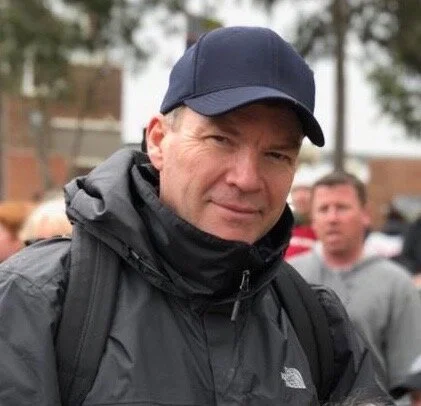
Liv Bell joins our hosting crew to present Women’s Premier League coaching team Geoff Perriman & David Wansbrough.
Geoff Perriman as you’ll learn has extensive experience. An AHL player himself he has coached Waverley and Hawthorn Women’s Premier League, the Tasmanian Tigers state team and secured no less than 9 APS premierships with the Caulfield Grammar girls.
Wansey needs little introduction to our hockey listeners: Camberwell Life Member, Left Inner in the club’s Team of the Century and Olympic Kookaburra with over 200 international caps. He’s previously coached our Men’s Premier League and many junior club and state teams.
With some personnel moving on, others in Perth with the national program, young players pushing for selection and a new coaching team; 2020 was to be an exciting transformational year for our Women’s Premier League group. you’ll hear about the coaches’ careers, how they managed the challenges of 2020 and kept the group connected, our development progress and how they see season 2021 developing. (players, keep listening after the ending theme 🏃🏼♀️🏃🏼♀️🏃🏼♀️)developing. (players, keep listening after the ending theme 🏃🏼♀️🏃🏼♀️🏃🏼♀️)
-
00:01:08: Introduction
-
00:03:21: Watched Anything Good in ISO?
-
00:05:58: Managing 2020 Challenges
-
00:13:45: Challenges
-
00:17:15: Staying Connected
-
00:21:48: WPL Pre-Season
-
00:27:50: Playing Coaching Careers
-
00:53:21: Advice to Young Players
-
00:59:14: Coaching at Camberwell
-
01:03:06: 2021 Vision
Episode transcript
⚠️ Automated transcript
This transcript was generated automatically from the episode audio and lightly corrected. It may still contain transcription errors, and individual speakers are not labelled.
Last week, in episode 27, we met our men’s Premier League coach, Lachlan Anderson.
This week, Liv Bell joins our hosting crew to present our women’s Premier League coaching team, Geoff Perriman and David Wansbrough. Welcome to the Camberwell Hockey Podcast.
2020 was to be a transformational year for our women’s Premier League group. We had some personnel moving on, others in Paris with the national program, young players pushing for selection and a new coaching team.
Coach Geoff Perriman, as you’ll hear, has extensive experience coaching Waverley and Hawthorn Women’s Premier League and securing no less than nine premierships with the Caulfield Grammar Girls. Wansey needs little introduction to our hockey listeners. He’s previously coached our men’s Premier League and many junior club and state teams. Keep listening to hear about our coaches’ careers, how they managed the challenges of 2020 and kept the group connected, and how they see season 2021 developing. Here’s Liv. Welcome, everybody. Thanks for tuning in. So I am Liv, and today I’m super excited to be here with both David Wansbrough and Geoff Perriman. So I’m sure many of you know who they are. And just to set the scene, I am currently looking at David wearing a Richmond scarf after last night’s win. And Geoff is rocking a bit of an iso beard. So if you’ve forgotten what they look like, what they’re interested in, that should hopefully give you a bit of an idea. But yeah, I’m sure many of you know who they are already. But club. They have very extensive playing careers and very extensive coaching careers, which we will dive into in this podcast. And really fortunately for the women’s section this year, they were actually appointed our Premier League coaches. But quite unfortunately for the women’s section and the whole club, obviously we are still waiting to play our first game with them as coaches, but we are super excited.
So today we’re just going to learn a bit more about them. And just to give an overview, the sort of areas we’ll be covering is just a bit of their time in lockdown. I know everybody is probably a bit over talking about coronavirus. So we’ll make that quick. But also playing and training in 2020 while we had it. Some of the challenges they’ve had, like I mentioned, a bit more of their coaching career. And then we’ll finish off talking about next year, which should be really exciting because, of course, that’s what we’re all looking forward to getting into next. So welcome, Geoff and Wansey. It’s great to have you here. Thanks, Liv.
Thanks, Liv. Yeah, I think we’re both, Geoff and I, are both excited about today. And listening to Lockie Anderson with Jimmy Webster last week, it was a fascinating insight. So we both feel the pressure to come up with something interesting. Yeah, that was a really great one. So we’ll see how we go. Hopefully we can be just as good. I know you guys have just as interesting careers and stories to share. So just to start us off, I want to go in with something a bit lighthearted. Is there something that you have watched, read or listened to over isolation that you would recommend to the listeners?
And I just want to quickly say, Wansey, the 2020 grand final does not count. Well, it doesn’t, but I would say out of interest, you know, you’ll get into sort of what, you know, some of my philosophies, I guess, around coaching, but, you know, the enjoyment factor, Richmond go on about it a bit and you hear Cotchin talk about connection and Hardwick, and there’s a guy called Ben Crowe, who’s heavily involved in Richmond in the background, and Ash Barty, and he was actually, his first job was working for Hockey Australia, would you believe, in marketing with Jason Richardson, and, you know, they were fun guys, but Ben Crowe, to his credit, went on to an interesting career at Nike and other places.
And now here he is helping Richmond set up an environment to enjoy your sport. And I think, you know, that’s not completely unrelated, hopefully, to what we might be able to keep working on developing at, you know, with the women’s section. So I think, you know, out of all that, to answer your question from my point of view, the Richmond story, sorry to go on, but it is quite relevant.
Yeah, look, watched lots of great stuff, a lot of good sports stuff. Nothing particular. Obviously, people will all watch The Last Dance, and that was fascinating because I guess the Jordan era was my era. Coming home on a Saturday afternoon to see him play was always pretty exceptional. And to watch your young kids now compare eras and who’s better. All you can deal with is who you see at the time. And, you know, listening to the stuff on Martin at the moment, Dustin Martin, I guess Leigh Matthews in Geoff and my time was probably the guy that seemed to have the same dominance and presence. But, yeah, I can’t think of anything particularly. I’ve watched lots of great series, but sporty ones, I’m sure I’ll think of. Anything you’ve watched, Geoff?
Not so much watched, I guess. It’s more for me about discovering the world of podcasts. I’ve been really, especially the Camberwell ones, but conversation, ABC Conversations and just that whole other world. It’s just, yeah, I found it really, really enlightening, and part of walking, which I’ve had to sort of get into because, you know, the gym’s now off the table. At some time, I guess it’ll reemerge, hopefully. And, yeah, so that’s been a real enlightenment for me, very enjoyable.
Yeah, I think a lot of people have been listening to a lot more podcasts recently than they have in other years. So definitely that’s one that I’m sure a lot of people can relate to. So we’ll get into a bit more of the hockey stuff now. How did you both find the change to 2020? Obviously, not only personally, but you were leading a team and a new team in this environment. So how did you both find that? I guess, Geoff, we might start with you. Look, I think we were, I felt we were building momentum. We were, I guess, coming pre-Christmas, we had, I guess, an introductory group which Wansey drove and organised.
We all got involved, which I think turned out really beneficial for some of the younger girls. Some of the junior girls came and experienced a little bit of senior hockey and senior training, I guess, a little bit of senior exposure pre-Christmas. Once we got into pre-season, look, I think, again, we built some momentum, but then it all came to a crashing halt. So that was the, you know, that introduction to stage three restrictions, no hockey, that was really challenging, really, really challenging, I felt. We achieved some good hockey at the point where we played a round-robin match against Mentone, Southern, and KBH. And the girls did, I think, quite well. And we showed that we’re certainly going to be competitive.
And there was a lot of concern. There was a lot of discussion in the background about the group, who we had, who we didn’t have. And that had all settled down by that point. But then the greatest challenge came all of a sudden, COVID. So, yeah, I guess to that point, I felt that what the committee and the coaching group and James and Nolene, James Seath and his wife had brought that strength and conditioning program in. That was, you know, the girls had really responded well to that, had enjoyed it, actually looked forward to it. It became, you know, a solid part of our weekly routine. You know, we just came to this abrupt halt, which was really, really confronting, I guess.
So, and then, you know, unfortunately, from a work pressure perspective, I had to step away or step down slightly. And then Wansey got involved. And I think then we gathered momentum again. And I guess, you know, Wansey probably talked a bit more to that. But again, the challenge came, we had distancing rules. We couldn’t do this. We couldn’t do corners. We couldn’t do all sorts of contact type of drills. So that was very challenging, but again I think, look, to the girls’ credit there was a lot of change, I guess, change from obviously new coach brings change, expectations, direction. I was very appreciative from my perspective. I think the girls took on board that challenge and we embraced it, and you know I can’t, I can’t, I guess, speak highly enough of that, and in the sense of, you know, they were looking forward to, and I think when you came in, Liv, it was really good because, you know, there was another dimension came, you brought another level of intensity, similar to when LB and, you know, Maz were there, it just raised that level of intensity. But again, overall, I think it’s super, super challenging, you know, constant change, constant readapting what we can do, what we can’t do, what we were supposed to do coming in out of the ground was always a challenge, I guess.
Yeah, it was definitely a bit of a week-by-week thing and just turning up and whatever we were able to do on the day, just getting the most out of that. So, David, how did you find the change throughout the year? And obviously, as Geoff mentioned, stepping into that position once the season, well, I guess not season, but we were well into pre-season. And yeah, how did you find that change coming on board as the head coach? Yeah, look, it was a really interesting period and it required lots of really great contributions. Someone like Sarah Konyas probably, you know, the presidents and administrators don’t tend and her helpers on the committee don’t get any of the acknowledgement, probably the time and even the mental, you know, anguish, because they’re all keen to see us do well. And the results will be the results, but actually just set up an environment that is a positive environment around trying to get better, around enjoying things.
And so that was challenging because we’d lost people, we’d lost players, and it’s very easy to lose a club’s, you know, heart and soul. But to the credit of lots of people and certainly the players, we ended up getting to a stage, Geoff talked about momentum. I thought it was – I was getting really excited, to be honest, and that’s why it was disappointing because you could see the progress. You could actually see the enjoyment. I think that when you’re coaching, that’s actually one of the measures. I’m probably not the most organised person, coach person, anything in life, and a lot of people will be able to back that up.
But there are a few things I sort of – in my unstructured life, I do really – I think, consistently draw on. And whatever groups I’ve coached, I’ve always thought about trying to create an environment, trying to give some structure on how we play and focus on the important things. So, you know, I think I eventually get there. Whether it gets the results is always the angst and the joy and the fear in sport. But it’s a great, great fun thing. So I think we got our group to a stage where, number one, trying to get personnel. And we had a whole mix of personnel. Geoff touched on, you know, from youngsters, from experience to Australian players.
And to see them all sort of come together with their own contribution, it was really important. Yeah, people love to talk about other clubs and stars and stats, but I actually think it’s getting a big wide group. When I coached the Premier League men many years ago in 1996, 1998, 2000, I remember actually inviting down to the Tan, every player for every squad said, come down to pre-season.
And people were just, what the hell are we doing here? We had 60 or 70. We had dogs. We had grandmas. We had kids running around the Tan. And there was a lot of angst about that. And there were blokes in the threes that were running past the Premier League guys on the fourth lap of the Tan. And I remember thinking, this is fantastic, because apart from the club effect, it actually showed that there were sleepers in the thirds and the fourths. If they actually really wanted to have a crack, they might think, gee, I can actually do this. And there’s a little bit of that, you know, that eventually you’ve got to sort out a squad and narrow it down.
but it doesn’t hurt to open the invitation for a whole lot of reasons. We had that and we ended up with a group. Yeah, we were juggling week to week different players for a few weeks there. But I think by the time we got to, you know, getting ready, I think we had a squad there that was starting to look pretty good and they were training with terrific intensity. At the end of the day, you know, if you can train at intensity enjoyment, it’s amazing how quickly improvement can come. Yeah, like you mentioned, I mean, as a player in that group, I definitely felt that positive energy and there was a really good feeling towards this season and everyone was speaking really positively about it, everyone was really, really excited, it was almost like a refreshing, like we had a new start. And even with that transition, you know, going from Geoff as our head coach to Wansey, I mean obviously you were both still involved in both situations, but it was a very smooth transition. I mean, I think you guys and Sarah, everyone involved did a really great job with that because in the group, I mean, there was no disruption at all. And yeah, everyone was really just stoked with how everything was going and really excited to get started. So it was obviously really disappointing that we never got to actually get started, but I’m sure coming back again next year, I think things will pick up where we left off. So that will be very exciting to see how that goes again next year. And so I just want to know as well, what you’ve found to be the biggest challenge outside of hockey this year with everything going on. So Wansey, I might start with you.
Well, Liv, in answer to your question, what’s been the biggest challenge, I guess having inherited the job, you know, from Neil, originally Neil Hodgson, who I thought did an incredible job, the amount of time and effort to get to know the squad. He had a lot of different people coming through that team and James, obviously, in the reserves, providing the support. So for me, whilst I’d watched a lot of the Premier League girls play, I really didn’t know the girls individually that well. And I guess through COVID, that little period we did get together, I obviously got to know them better. But that was probably the biggest challenge, just trying to work out what to focus on in those sessions.
The really pleasing thing is there is just a great attitude. Now I think everybody came with a fresh approach and sort of a clean slate and we’re making some good progress. But really just a huge thanks to the work that James and Neil over a number of years had put in, the time and effort. And I was lucky in some ways. The easy part of just coming in to pick up, probably the matches ahead were always going to be in some ways the bigger challenge than the preseason. But so far, so good and really exciting potential for 2021. I really can’t wait to get stuck in. Right now is actually an interesting time, and I’m sure the players have got their own thoughts. And I’m certainly thinking, and I’m not playing, you’re very concerned for youngsters, for everybody with sport generally across the community right now through this, you know, first time in lots of our lives that we haven’t had that routine and that comfort.
And we’ve actually asked ourselves, why do we play sport in a lot of ways? And, you know, it’s quite confusing because I’m sure some people think, oh, well, I can just, I don’t have to play sport if I don’t want to. And is it that important? And that’s sort of the easy option. It’s going to take a real challenge for clubs, people, individuals to make a conscious decision and maybe even be a bit sacrificial to say, well, I’m not sure if I really do, but gee, I’d love to see what I can do to help because community sport plays massive roles. You know, it’s a bit cliched, but whether you’re talking about, you know, Tassie community cricket team down in West Burnie, or you’re talking about Camberwell Matlock or community footy. I think we’ve all had a really big reflection time to work out why we do it. And maybe we never thought about it. We just turn up because that’s what you do. So I’m concerned.
It’s a stress that will we get it back? And it’s going to require a conscious effort. We have to make sure that things are fun. The competition part will come, but I don’t think most of us want to go back down to Matlock next week and go through training of 10 people again. I think we’re keen to get back and play some sort of competition is my suspicion. Even if it’s not the proper full-on Hockey Victoria, if it’s a six-a-side, if it’s a mixed comp, whatever it is, the sooner we can do that and get people back down to the club enjoying hockey for what it is, that’s probably in my mind at the moment what we’re thinking about and we’ll worry about next season as we get sort of a step at a time.
But obviously all that’s conditional on how quickly we – I won’t go into my political views, but how quickly we can perhaps get back to normal. We’ll keep this one politics and religion and sport free. But, Geoff, so I know you’re both quite involved with Camberwell Hockey Club beyond just, you know, being coaches of the Premier League team. So can I just get you to talk a little bit about how you’ve, you know, stayed in touch or stayed connected with people at the club or with, you know, Camberwell Hockey Club in general and what things you’re doing to, yeah, kind of still be a part of it all.
Well, look, I guess mine’s probably a lot more restricted than Wansey’s is, but I’ve been really fortunate. I’ve had a little bit of contact with Simon Winter. I’ve got to say I think we’re extremely, extremely fortunate to have a guy of his calibre, such a fantastic, all-embracing, all-people-embracing person, and he’s reached out and amazing. I don’t know how many people he’s spoken to, probably perhaps everybody. But I’ve been very fortunate to have that connection. And I think the club’s social media reach now, especially with the podcasts, the newsletter, you know, now we’ve got the raffle, you know, it all keeps us connected, which, you know, that part of the committee, I think, has done an extraordinary job.
The positivity that comes with that and the messaging keeps us connected. So I guess that’s the way I’ve felt connected. And congratulations to everybody in that team. I don’t know how you feel about that, Wansey, but I guess you’ve got a little bit more direct contact with some of the guys as well. Yeah, great comment, Geoff. I think the committee’s been incredible because it takes some energy and people are dealing with all sorts of different things. I think Simon and all the crew, you know, the different departments, people, Steve Price and Sarah, as I mentioned, and Steve Louse in the juniors, and even just all the volunteer helpers going back to those training sessions, the people that want to come and do that.
I think it’s really special. We don’t take it for granted, but there wouldn’t be many clubs in any sport that have got through this without being able to play, and yet players themselves are still probably feeling really battling a bit with the lack of physical contact. So I think the club’s done clearly as much as it can. It’s been a really interesting period. even old players, your ex-players, the way they’ve done the step back and the women and men’s side has been a great way to connect. So, you know, massive credit. And, okay, we’ve done all that.
Time to get back on the pitch now, get to the bar. Yeah. Yeah, I think as well, I agree. The social media has been great and it’s been very consistent. They’ve been posting so much. And, obviously, we had the Strava competition as well, which was really good to see. And, you know, even if you’re not directly communicating with a lot of the people at the club, I mean, of course, a lot of people know who each other are. So it’s nice to be able to see just even what people are up to and what they’re doing, even if you’re not having that, you know, direct one-on-one conversation. So there’s definitely a sense of community. Liv, just on that Strava, sorry to jump in, on that Strava, I am concerned. I think it’s a great time to express some concerns here.
I noticed on the top 10, I mean, my niece Izzy Harris, I’m sure was definitely penalising me. I know some rather obsessive-compulsive personalities. I thought I was pretty bad, but when I’m seeing Lockie Dreyer trying to out-ride Lockie Gibson, trying to out-ride Phil Barrett, Sue Henderson, I mean, there’s some seriously obsessive people. Oh, yes, I know. We’ll just give a little shout-out to Gemma here. She actually won the running for the final week, and I think she was pretty stoked about that. So she was on top of Jimmy Webster that week, so that’s quite impressive.
Well, that’s right. Once you sign up, you’re in trouble because you’re public. You become a global athlete. No, there’s nowhere to hide. So, yeah, I definitely was a viewer, not a participator in that one. But no, that was really good. I’ve got to say, it was a great, it was brilliant. It was a brilliant idea, wasn’t it, the way it connected, again, all people through the club. Yeah, that was really nice.
And again, like such a simple idea, but, you know, it’s the sort of things that Camberwell does. There’s a lot of that going on and it’s really easy to, yeah, stay in touch and feel like you’re still part of the community. And even though the actual hockey isn’t happening, it still feels like, you know, there’s a real club culture this year, regardless, which is really great, because, you know, obviously Camberwell has always been such an inclusive community. And it’s been such a great place to be, even if you’re, you know, not necessarily playing, it’s a great place to be on a Saturday afternoon anyway. But I just want to talk a little bit about, you know, just going back to the pre-season and, um, you know, the group you were working with. So, David, was there, you know, anything specific you were seeing in pre-season, um, some things that stood out to you that you noticed were really working well for the group, and, um, likewise what were the sort of changes you thought needed to be brought into the group? Um, look, I think because it was a, um, a period just bringing people together, the focus we had was trying to get pretty much enjoyment back in. And my philosophy has always been, whether coaching kids, um, it’s a little bit simple, but, um, lots of game stuff where, you know, I haven’t really come across a group ever that’s not enjoyed playing games, so long as there’s some purpose and some learnings in those games. And, um, you know, I’ll draw on a bit of the boring history of what I learned along, and I haven’t definitely learned everything, but I think I was really lucky in that I got exposed.
I talk about ad nauseam, and I know people know I talk about this right now, but Mike Craig and Jim Irvine, I was very blessed. They had lots of great coaches, Don Argus, Terry Walsh, Charlesworth over in Perth, but Craig and Irvine were really interesting coaches because they were able to create an environment, not by yelling, by geeing you up, but by the stimulation of learning. And people often, I’ll hear repetitively, and it sort of annoys me, but how important the basics are.
I hear every coach say, you’ve got to get better at the basics. And I don’t disagree, but I think it’s massively overrated. I hear all the time. I hear all the programs. I think really exceptional coaches, it’s much more than basics. You have the basics. They’re almost a given. Getting fit’s a given.
But to actually get smarter at hockey and to hurt other teams, to be smart in how you play is to me the real challenge. And I think you can, as a coach, when you’ve only got limited time with a group, how you go about that is absolutely critical, and you almost can’t waste time in your sessions, to me, doing basics. Um, sounds crazy, I’m happy to be told I’m wrong, I don’t know what I’m talking about, but my view is if you play games and you’re learning them, you’re actually learning basics at the time. There is always time for basics, go and do it some other time, maybe at the end of a session, make the session longer, but I’m really keen with my sessions to make them fun, because there’s games, there’s learnings, um, and they’re game-type learning, so whether it’s switching the ball, whether it’s tricking players, whether it’s pressing better, trying to do those in-game situations.
You can’t do it the whole session, but that is certainly my focus. And, you know, I think most times I’ve been involved, again, juniors, seniors, men, having a bit of trouble with my summer vets team. They don’t seem too coachable. But the Premier League girls were terrific. They embraced it. And it is really the most exciting, fun thing when you’re coaching to see players respond to it. And, again, Craig and Irvine, it didn’t matter. You can have smart players in your team, and that’s the reality.
You’re going to have all sorts of different types. Some can think, some can process, some can’t, some are limited, but the really smart, great coaches are able to harness that and allow them to play to their strengths. But they set up an environment where it becomes clear what your role is and how you play within that. So, look, that was the – I’ve answered it in a pretty mumbo-jumbo way, but, you know, that was where we were coming from. We actually needed to spend some time as we got closer to games on a bit more structure stuff and pressing and outletting, but it was hard, obviously, in the way things were set up.
Still had a few more things to get to, but unfortunately, that got cut short. But, Geoff, just with everything that, I guess, got thrown our way as we were preparing for the season, was there anything that surprised you or stood out to you about how the players handled the challenges that were coming at them? I think principally their willingness to just go with the flow. When I say go with the flow, we had a change, you know, the government would place another restriction, we were able to train, but no one else was allowed to train on the ground.
We adapted to that. You know, we had to, as coaches, we had to modify drills. You know, the girls embraced that. And I guess, look, it’s easy to say that, well, that would be an expectation, But I think, you know, when you have a positive energy in a group and everybody willing to strive forward, I think that to me was the most surprising thing. We had very, very little pushback, very little questioning. I think it was a couple of times we might have pushed the boundaries in relation to closeness. And the girls sort of raised the concern about the contact in some of our game situation. But look, I think that to me was the most surprising thing. I guess if they had taken the worst case scenario type aspect, a lot of them perhaps could have made the choice either not to come or sit out the sidelines or walk off and drill.
But none of them did that. Everybody embraced that. So that to me was the most surprising thing. And I guess as sports people, you know, we all want to move forward, we all want to get better, we want to improve, and Wansey touched on that in relation to the learning aspect. But I don’t think you can underestimate the risk. And that played on a lot of people’s minds. I think if you look at, we had a couple of discussions post-trainings with Sam Daly, who is a doctor, and Sam expressed some real concerns and I guess brought everybody within the group back to reality in the relation to being just the awareness around the risk that we’re all facing.
So, yeah, look, from the girls’ perspective, I think, yeah, that was the most surprising thing for me was their willingness to embrace it. All right, very good. So I just want to move on to now, I guess, your playing and coaching careers a bit more broadly, so beyond this year because they are quite impressive. So, Wansey, I’ll get you to start off. Can you just tell us a little bit more generally about yourself and why you like coaching?
Yeah, look, I guess the number one reason is to stop me being the most annoying parent on the sideline when I’m not controlling things. So, as the women have heard me on the sideline and junior coaches, it is amazing. I think I might be wrong here. We always delude ourselves a bit. But when I coach, I’m actually remarkably calm. Kids mightn’t agree with that. But I actually think I am mainly perhaps about control. I’m not sure I am a control freak.
But I certainly feel more comfortable when you’re coaching, you’re watching, trying to actually observe and work out what you can add to the conversation. But on the sideline as a parent, I get a little bit worked out. I did go for one of my walks last night with about 10 minutes to go in the grand final, which I have been known to do in hockey grand finals when I’m a spectator where I can’t watch. Jimmy Webster, if you others might remember, I did a few Premier League grand finals. I went a bit of a wander.
And I did go through the lonely streets of Kew last night, which my daughter was really aware was I. I won’t go any further. It’s a bit embarrassing, but that sums it up, really. But, look, I love the coaching, whether it’s been the juniors, the kids, to see them love playing sport. I mean, we just undersell how great hockey is. It’s amazing when a family that hasn’t played the sport before, they’re not a hockey family, come along and we get that at Camberwell, and they come away and they go, wow, what a great sport.
And we think it’s different to footy because footy’s on TV. It’s got all the same things. You’ve got to win the hockey ball. You’ve got to pass it properly. You’ve got to look after your teammate. You’ve got to not let your teammate down. You’ve got to do it. It’s the same sport. We sell ourselves short. And our Australian athletes, when you watch them on the world stage, are world-class.
They stand alongside anybody else. So, you know, it’s great to be involved, coach, whether it’s kids, whether it’s the women now for the first time. For me, people said, oh, it’s different, what have you. Well, you know, my short stint doing it, yeah, there will be some differences, but what doesn’t change is your responsibility as a coach to try to create an environment where they can learn. There’s lots of things I’ve still got to get better at as a coach. It’s putting good people around me to clean up the mess at times. You know, but I love having, I guess, been fortunate to be coached, as I mentioned before, by lots of great people, you feel an obligation to pass some of that on.
If you can sort of pass on half of it, you know, I just had this incredible experience as a player really, to experience all the things I did from a kid to a, to a, you know, international player, I was just fortunate. And so that’s the, I guess, the motivation, and you get massive rewards. The 1998 and 2000 premiership teams, we had reunions recently, the Camberwell men’s that we coached, and not dissimilar situations to what we were facing with the girls, where we had, I guess, a squad that was probably understated in terms of big names and it needed everybody to contribute and we achieved some special things. I’m sure Geoff’s got some stories because the Tassie story is an amazing story. Hopefully you get a chance to hear it in a minute, what they’ve done in hockey for how many years to continue to, in terms of, compete, produce Australian players.
But when you coach and you’ve got a challenge and bringing a group together and they achieve something, it’s pretty hard to do. Yeah, we will get on to that, Geoff, in just a minute. But before that, is there anything you want to share about why you enjoy coaching so much? I guess, look, I think it’s the power of team. Wansey just touched on it and it’s not always, you know, there’s the old adage about champion team will always be the team of champions. And I think that I’ve been part of those groups, both as a player and a coach. And it’s really, really exciting.
It’s just something that it’s so powerful and so enjoyable to be a part of. And, you know, the connections you have with those fellow players can last lifetimes. It’s great to hear that, you know, those successful teams that Wansey’s just touched on, you know, in the late 90s. You know, there’s a great example of it. Here we are 20 years later, 20 plus years later, and the guys are still enjoying that. And, you know, that’s the thing that really drives me. And to see individuals grow from a coaching perspective and how those individuals grow and then combine into a team, that challenge is the part that I really enjoy as a coach and being part of a coaching group. I think, you know, just reflecting back to some of the old playing days for me, I can remember very, very vividly playing against, I was probably at the end of my career when Monty first started playing and we went through the transition from grass to turf.
We call it turf because, you know, astroturf.
Anyway, I vividly have a memory of a game out at the hockey centre when the Tassie team had come over and we were playing against, I think I’m pretty sure Wansey and Jimmy Irvine were playing and I’d copped a hit on the hand from quite a mid-height through ball from Jimmy that was perhaps meant for somebody else and I actually copped it and then it was a very interesting game and I’d marvelled at some of the creativity that Wansey was starting to show as a midfielder. So, yeah, I mean, from a coaching and playing perspective, I just love the game.
It’s great to be a part of it. It’s great to see that individual growth in players. That’s the thing that I really enjoy being a part of,
helping players grow, helping players learn. And I think, you know, I’m a little bit different to Wansey in the sense of I don’t think we have enough training time.
I totally agree with the gain part of it, but I think there’s so much to be gained in some personalities for repetition of skills. When you have the opportunity to execute things regularly and someone can stand by you and watch and just adjust and hone, I think they’re the times then when you can pull it back perhaps when I pull it back, pull the skill back and allow a little bit of diagnosis into where improvements can be made and then move forward again. So we’ve talked about training times, the amount of time we have on turf. I’d like to see it increase by half an hour.
So at least we have that opportunity. It might be, Liv, you go in and do some deflections in front of goal perhaps or whatever it is and we can combine some other, I guess, skill drills that would finish off with that. Yeah, it gives everybody that opportunity to do repetition and I think is a really important aspect of player growth, especially the younger developing players. Because in reality, we don’t all have that, I guess, luxury of being able to just cruise down to the ground when we feel like it And because there’s such a big club and we have very little free time, it’s something that perhaps can be debated at another time.
But I think it’s really, really important that we don’t forget that. I was going to say, Geoff’s comment about the basics, I sort of made that comment a little bit naughtily or controversially. But I actually think that basics, more time spent on them, it made me reflect a bit. And as kids growing up in our era, we were out in the street playing all sorts of sport and I wonder if kids are spending as much time and not getting those basics, whether it’s cricket, tennis, playing footy in the street that we did, for reasons like the phone and technology now. So that’ll be interesting to look forward, whether, you know, we’re getting it, and, you know, unless kids these days probably getting it through the structured swimming lessons or tennis lessons, then probably not doing as much repetitive stuff, so it’ll be interesting one to. I’ve also just got to quickly check, Liv, on Geoff’s comment about the grass game of hockey.
I’ll just quickly mention a story. In 1985, a national championship down at Hobart, those that have played hockey down in Hobart at the Cornelian Bay. And it was my first nationals, and I’m really not sure what I was doing there. I was making up the numbers, but this was on grass, and it rained a lot in Tassie, not surprising. Cut a long story short, the final, Victoria somehow got through and knocked off WA in a semi when Neil Snowden, the Victorian goalkeeper, saved about 30 penalty corners, and we undeservedly got through, although I wouldn’t tell any Western Australian that, but we got through to the final against Queensland. And it was televised on ABC Sunday afternoon at 2 o’clock on live Sunday afternoon TV in those days, in colour.
And I don’t know what position I played, but for some reason, I think Charlie Gillen, a friend of all of ours, a Tasmanian, was playing Victorian. He was injured. I think he’d done a shoulder, if I remember correctly. So I had to play centre-forward. And in those days, you did a bully to start the game. So there I was on ABC, big moment for an 18-year-old. I don’t think I’d ever played centre-forward. Not sure what.
I was there doing a bully to start the game down in Tassie, had footy boots on because it was just a mud heap, and it was on, you’d think, you know, the clean synthetic turf of today. This was a mud heap in Tassie. It could be a beautiful ground, but it was the wrong day, and I think it was the only time I touched the ball in the game. All my mates that were watching sort of told me to start, and that was about it. So there’s my grass story, Geoff. Well, it was actually, I can remember one of the Australian coaches at the day saying that whoever invented synthetic turf must have been a forward because it was a defender’s nightmare, you know, coming out of that transition of grass where we were so affected by the weather.
And I think to a certain extent it held hockey back in the southern states, perhaps Victoria and Tassie especially, because if you had a period of wet weather, well, the grounds are almost unplayable. And, you know, it didn’t allow for good skills. But, you know, that transition into the synthetic turf has just changed that completely. So an actual factor, the little bit of back history to that tournament, we had an innovative council parks director at that point in time who, about 10 weeks prior to the championship, decided he was going to lay an instant turf across for that particular field that we played on.
And this is actual grass instant turf. So we were plagued with the worry that some of the sections weren’t going to take, and unfortunately they didn’t. That just didn’t add to any good conducive hockey winter. We got a decent dose of rain.
Well, I had the kids down there a couple of years ago at Cornelian Bay on the grass just out the back when the tournament was going on at the national championships and the two young ones having a bit of a hit on the grass and they’re trying to slap the ball on grass. How did you play on this stuff? And this was actually a nice piece of grass at that time. I can’t explain. Yes, we are very fortunate. We don’t know what that experience is like, but I mean, I’m sure it only made you guys better players.
And I do just want to move into now talking a bit more. I know you’ve already both touched on it a bit. Can you explain in a bit more depth both your playing and coaching careers and what they’ve consisted of? And, like, they’re both quite impressive. So please do not be modest, but I’ll just get Wansey, you to start us off. Can you just tell us a bit about… No, no, no, let me start. Let me start because I’m going to be, like, let’s build up to this.
Oh, don’t sell yourself short, Geoff. I’m looking at some pretty impressive statistics in front of me, but please, yes, share with the group. Started off in Tassie. And look, back in the 70s in Tassie, unfortunately, we weren’t blessed with so many good coaches. But guys that were very encouraging and very enthusiastic, and played in a number of junior teams and under-21 teams in Tassie and led, had the opportunity to lead and captain the under-21 team on several occasions, the state team.
then when it moved into seniors, played for I think 10 or 11 years at the senior level for Tassie. As I said, I was probably on sort of my last part of playing when Wansey first came in from a Victorian perspective. Yeah, so look, that was a really enjoyable experience to play at the national level. From a Tasmania perspective in those days, we, given the grass hockey base, we were always, we always struggled to really compete. And I often share the story of playing a game against Victoria, for example, would be like playing a grand final. That was the sort of level that we had to reach on a game-by-game basis to really be competitive. It was a real challenge at the senior level, and unfortunately we, you know, from a Tasmanian perspective that back in those days, we, and I guess probably even a bit reflective in this time, the depth of players.
We didn’t have the consistency and depth and it was, yeah, always a struggle in that space. But however, it was very, very enjoyable and I feel very fortunate that I had that opportunity to represent the state for that period of time. Yeah, it is very impressive. Tassie produced a lot of very good players in your and still do. Exactly. And, you know, I can name a few. You mentioned before Charlie Gillen, who’s actually my brother-in-law. And I think, look, that’s a little bit that you touched on before, Wansey, about the family aspect of hockey.
The story from my perspective was I ended up marrying Charlie’s sister. We had, you know, we had that connection. That’s how we met. And then we had family and, of course, your family plays hockey. And it is such a family sport. And even now, you know, my own son is married into Camberwell, I guess you could say, in one way, which is lovely. And, you know, now they’ve got their own family, twin girls. And hopefully one day they’ll be playing, the girls will be playing and enjoying part of the Camberwell atmosphere and hockey in general.
So I’m sorry to take it off on a tangent, but I think that’s a part that is really, I think it’s a lovely part of the sport and the fact that you can then go on and continue to play right the way through into Masters. And I know there’s been a great ethos with, I had the great fortune to be able to play with my son down in the lower grades with Doug Watson and Mince and a few of those guys. And we played with our sons and younger guys coming through. And it was a great, that was another really enjoyable part of being with Camberwell to be able to share that playing with your family. There’s not too many sports that, you know, you can compete at Olympic level, represent your state, and then, you know, play to, I guess, veteran or masters, as we call them, master stage now, where, yeah, you can enjoy all the facets. Family, hockey. Yeah. So, anyway. I’m sorry I won’t take it off at a bit of a tangent, but that’s a really important part of an aspect of a game.
Like Wansey said, you see so much of that in the club. Families come in, then there’s connections made, arguably for a lifetime. Yeah, no, well, you’ve actually just touched on what I was going to ask you next, which was what it means to you to be a coach at Camberwell specifically. But before as well, if you want to say anything more, I just, I think you’ve sold yourself a bit short, Geoff. Can I get you to talk a little bit more about your coaching achievements? Because I’m not sure if everybody knows, but I know you’ve coached at Waverley, the women’s Premier League team.
You’ve also done Hawthorn. And you were the coach of Caulfield Grammar when they had that amazing run, winning nine premierships. Have I got that right? Yeah, look, that was a really enjoyable time. It was like the structure was like a small hockey academy. There was a scholarship program that the school ran. I was very, very fortunate to be a part of that. We had a great structure and some great people behind it. You know, we had a great evolution of younger players coming in and great success.
I think, you know, over a nine-year period, we might have lost one or two games in nine years, which is an incredible record. Yes, I just want to jump in here and a bit of a shameless shout-out. Sophie Taylor, Laura Varden and I, I’m trying to think if anybody else from Camberwell, we actually did beat you one year. It was the last year you won the premiership, we beat you in the last game. I was in year seven, I remember it very clearly. Yeah, just scraped in, right? Yes, I didn’t realise you were part of that, Liv, so there you go. Yeah, just scraped in, I just jumped on. No, that’s okay, that’s a good, I mean, look, it’s not a, it’s not all about the winning. I mean, one of the things we were able to achieve, we had, um, year seven and eight girls coming in, um, and playing, and, you know, they, the capacity and our depth to introduce those girls in an unpressured environment, bring them on, bring them off, talk to them, coach them, um, and they all just wanted to learn and wanted to absorb, and it was just a really good environment. And, you know, the Forsyth sisters came through, we had lots of really, really good players, Claire Messent, Stacia Joseph, so, you know, these girls went on and played for Australia, so, you know, it was a really, really good environment, and, and yeah, I was very fortunate to be a part of the school and the, um, and that group of school guys that were involved in the recruiting and the support. And yeah, that was really, really fantastic.
Yeah, I think anybody that is familiar with APS Sport understands that that is quite an achievement to win nine premierships. That is like almost unheard of. So that is like a very, very impressive achievement. And then Wansey, I might just get you to jump in here now and then talk a bit about just going back to your playing and coaching careers and share some of your highlights from that time.
Yeah, before I do that, I should mention Geoff there. I am concerned. I heard a rumour there was only one family in Tassie. I’m now convinced that rumour is true. Oh, I’m going to get into a scar on the next stories now.
Yeah, Liv, in terms of my career, I’m not sick of talking about it, but you get old and you don’t really want to. But probably the interesting bits may be that I grew up in a court, in Blackburn, in a court where every night after school, or before school or lunch or whatever, we’d play sport. And funny enough, there’s some people at the club talking about families in that court, Bruce Phillips and the Davrain brothers who played at Thames for a while as well. The Hancock, Rob Hancock still plays in the summer vets, was my next-door neighbour, Andy Hancock.
That might have been my father’s influence. And there were neighbours around. This is 15 minutes away, 20 minutes away from Camberwell. And this little court produced 20 or so players at the club that are still having influence. And that was probably as good a ground as you could have, playing every night and plenty of basics, lots of games at night. That’s where it all started, I guess, when I went down and played. Under 12 was the first time you could play junior hockey. I think I was five.
Maybe had a run around by accident when the team was short. I still remember at Wattle Park, my grandmother, after I might have knocked a couple of goals in against Powerhouse in a, we were bottom of the ladder, they were top, and she gave me a 20-cent coin to go to the canteen at Wattle Park, which was a great canteen, and get a milkshake, and 20 cents was probably like a 20-buck note these days. so they’re the important thing playing careers um that was probably about as much as i ever got paid in my hockey career that was the start and end of my professional payment um yeah so then i guess i uh jumped in some junior teams dave cashmere was a state rep with me in some junior teams but i actually didn’t develop um you know 16 and some of the kids started to play in the premier league and i really didn’t grow till i was about year 12 i missed a couple of teams along the way as i was so small and really went to the AIS when I was 18 and started to physically develop.
And I guess from there, with a bit of training, a couple of times a day at the AIS, things started to happen and I had a really incredible experience, lots of great friends. And for me, it was as much, you know, the personal accolades and whatever stuff along the way of being lucky enough to play around the world was great. The friendships and the fun and the wins, the losses were the journey, were the stuff that you look back on and feel privileged and probably the reason to still bother going along on a Monday night to some of it because you enjoy having a beer and a laugh and pretend you can still do some good things amongst all the bad things.
Yeah, had an amazing time. Had some really lucky coaches that I had I’ve mentioned a few times that clearly inspired. I was far from, you know, I was probably a talented hockey player but certainly needed lots of help to get organised. You know, as much of the time you’re under real pressure, you control yourself.
the times when I had, you know, some behavioural issues and probably, you know, look back and if you talk about regrets and things, I had some of those. But I guess that’s all part of the journey, you’re not robots. It does make me, again, look at Dustin Martin and think how remarkable he’s been because people would expect that sort of personality to potentially go the other way. He must have had some help, as I’m sure he has, whether it’s meditation or other things, to get to where he’s got to. So, yeah, look, it’s funny as you think about your sport and now with kids playing, you reflect back.
But had a great career, I guess. You know, travelled the world, went to lots of weird countries to play, you know, everywhere through Europe, South America, Asia. The other day, one of the podcasts I did with Shahbaz, who was the greatest player I ever saw and ever played against. You know, that was pretty fun to do a podcast with him. I don’t think it came through on the podcast, but at the very start of it, we were talking with the video on and his son answered on his laptop. I had a nice chat with him.
And so at the very end of the podcast, here’s Pakistan’s possibly greatest athlete alongside Imran Khan, got his laptop and walked downstairs into his trophy basement and grabbed my son Campbell to go through with him on the laptop. It was pretty cool. So, yeah, they’re things that when you start playing and make a team, you don’t think are going to happen. Is there a trophy basement in your house you’d be able to take us to?
Back to my disorganised status. COVID, that was going to be a thing. I have so much stuff that’s damaged and destroyed. And I did actually win. It’s a terrible thing to say, but I did win. Disgraceful, I admit. But in 1997, I’d just been dropped. The only reason I mentioned it, I’d been dropped from the team before the 1996 Atlanta Olympics. I may have suggested to a coach he could do things differently. So a few of us missed out on going to Olympics, which was a reasonably traumatic time in one’s life.
But I came back into the team. Thankfully, Terry Walsh picked me again. And, you know, there was question marks whether I was finished and good enough and all that horrible stuff. And don’t worry about personal stuff too much. But I did win the Champions Trophy tournament in Adelaide. I won the player of the tournament, which was the best six teams in the world, which was a nice thing to win. And actually, I’d broken my hand the day before the final. So I played with an injection in a broken hand.
And that caused me to drop the trophy that night having a beer. So that trophy has never been perhaps fixed. It all adds to the story. That’s that big one with the, you know, like the massive, big, heavy-looking one too, isn’t it? Is that the Champions Trophy? That’s actually the, that’s the tournament. Yeah, that’s the tournament trophy. That’s got some stories as well, which I may have told before, but that one did sleep one night at the Hard Rock Cafe. They went missing, and a couple of years later, it’s a $70,000 sterling silver trophy, and it may have also slipped.
I think those that read an article I wrote many years ago, or a couple of years ago in The Age, I did tell the story where living in Richmond with a fellow Camberwell player, Greg Reid, who’s currently going through a pretty tough time, we did share a house in Richmond and I may have forgotten that I actually took the trophy home from the airport, having won this world title, and the manager stupidly gave it to me to look after. I left it in the esky on the front porch of a house in Richmond where the break-in rate was probably about four houses a week in our street at the time, but it was there for three months before Hockey Australia called me up and said, I think you might have the trophy. And I said, I think you’re right.
I’ve forgotten. True story. There’s a few more of those. Yeah, as long as you, I guess, got the photos before anything broke, that’s all that matters, you know.
Get on your lead, that’s right. So just speaking about, you know, your playing careers, what advice now looking back would you give, you know, players who want to get better? Look, I think to me any good young player, I say good, any young player, become a greater student of the game. That’s number one. Number two would be to really have the foundation of good fitness and work on your fitness so that, you know, I think Wansey made this great reference this year that fitness is the easy part.
I think that’s probably an underestimation because I think some people with great skill often struggle with fitness. To give an example, my brother-in-law, Charlie Gillen, he was a phenomenal player, an awesome player in Tasmania, but his fitness level was never there because that was something that he was never motivated by, because he didn’t have to be fit to be able to make the representative teams. Now he moved to Victoria and I think he tells a great story that he rolled up to training and the coach, I can’t remember which coach it was, but said to him, well, you know, perhaps if you get fit we might consider you, and turned and walked away. And that devastating delivery changed him. He realised then that he had to get fit, and I think that’s something that any young player needs, you know, in their arsenal. If you are fit and your fitness level is up there, then the skills and the learning and the team strategies, you can embrace it and work towards that next level. That would be the key thing for me: student of the game, really work on your fitness, and then devote some time to developing your skills.
I’d just add to Geoff’s, I agree entirely with Geoff’s comments. The fitness one’s interesting too because what it does when you get super fit, it’s amazing how much more confident you are too in the game. You don’t second guess or doubt or get to a contest, and you can execute when your legs are tired. It’s an amazing game how, when your legs get tired as the game goes on, you can’t quite make a trap or make a pass, and it just gives you a sense of confidence. There’s no doubt, the fitness. So yes, it’s the easy part but if you don’t have it the game’s very hard. I was going to add one little thing to that, Liv, in terms of answering that question, um, one thing I’ve helped kids with and adults is to break the game down into one or two things, you know, in your job in a game, and it might be an attacking thing and a defensive thing, just to simplify, you know, we’ve all got to do 50 things in a game but if you can just break down one or two and they’re important things, it might be as an inside forward you’ve got to get the ball more during a game, or what you do with the ball have one or two passes to really just get really good at, that can give you a reference point, so at half time you come back and say, am I getting the ball enough, how am I actually passing, am I getting that one pass right, half to the inside right that I need to, so it’s a great way to simplify things, you know people say keep the game simple, that’s a practical way you can do it, it doesn’t mean you don’t look at other passes but, you know, Colin Batch was the absolute artist at that, he was the greatest player I think I saw, I played with, in terms of learning watching him be coached by Craig and Irvine, he was the most difficult player to play on, his ability to lead, to get the ball, his preparation to get the ball.
He just did all his training around. He did virtually very little basic skill training. He couldn’t dribble the ball around a cone, but he was one of the greatest players I’ve ever played with because he’d worked out if I can get the ball a lot, and so he did lots of work with connections. So Jim Irvine that Geoff mentioned before and Batch would just train the whole time on connecting, connecting, connecting. And then when he got the ball, Colin Batch, he had one or two passes that he was trying to manipulate and set up the player.
He didn’t worry about the 50 passes that were going across his vision. He just worked on one or two and he became so good at those. And the players around him knew that. So the connection stuff, breaking down the game into one or two things, I just sort of add to Geoff’s comments. And, yeah, look, I think that’s what you learn. And I guess the game has changed, but those things still remain. Can I just jump in there? I love it. I’ve got to give a little analogy there.
I spend a lot of time at fullback with Colin Batch in front of me trying to contain Colin, and he had an amazing ability to trap at inside right on his reverse outside of his body, and of course Jimmy would obviously be, you know, a lot of the times be delivering that ball at serious speed, so he’d be coming across from centre or left back across to Colin, and he had that amazing ability to trap the ball, you couldn’t see it, he actually, his body would protect it, so he actually was trapping the ball almost behind himself on his reverse. So, having to, so that, I guess back in those days, one of the key things for us as defenders was to try and, you know, the old adage of a player is at their weakest at the moment they receive the ball, so it was really, you know, that was our, you know, because that’s changed a lot now, but back in those days, it was a key focus to try and win or intercept or put pressure in that situation.
No way in the world could, you know, with Colin’s ability to trap on the reverse.
Yeah, it was just amazing. Yeah, that’s a pretty impressive skill. Maybe we could work on that one for next season in our team. Wouldn’t mind having that one. Perhaps we can get Colin along to training. Oh, yeah, he could be our next specialist coach. Um, so, David, I know Geoff briefly mentioned before a bit about, um, you know, what it means to him to be a part of Camberwell, and that’s sort of that family, um, aspect, um, and being a part of the Masters and everything, um, I think the listeners would be interested to hear from you, uh, what it means for you to coach at Camberwell, and obviously you’ve been a part of this club for a very long time and your family is very well integrated.
So I’d just love you to speak a bit about what it’s like for you, what it means to you, and specifically coaching women and in particular your daughter as well.
I think in terms of what it means, it’s a family thing that my father and mum was involved too. But, you know, dad always was just such a selfless person, I guess that’s probably where it’s come from. And, you know, he’s had some lovely accolades recently as life member, which is terrific because he never really saw those. So that was quite a lovely thing to happen for the whole family. And, you know, he was really nicely chuffed by that. So that was great. Anyway, and lots of just great family, friends and people out at the club.
So it’s the fact that the club’s going so well is probably, you know, what it means is nice to see that it’s been worthwhile, that it continues on through generation. And systemically and structurally, it’s in good shape, and it’s such a better club now in so many ways. You mentioned it about its community involvement and diversity, so that’s fantastic. In terms of coaching the women and my daughter, I think it’s about hoping to see them do things well and as best they can, and watching the men and how impressive the men have been for a number of years, and Rosie Anderson’s clearly been the guy recently and obviously others have followed on, Katie and now Lockie, with that challenge.
But to see the women also who have done some really great things over the years but to give them that same hope and direction That’s what it means. You know, in terms of my daughter, well, I guess I coached her a little bit in the state sides and it’s – all it does is reinforce it. You just hope you don’t treat her any differently. She would probably think that I definitely don’t and, you know, doesn’t enjoy it. So at some point it’s probably not preferable that I do, but it hasn’t been hopefully an issue, certainly not from selections, but, you know, she needs to just play like anybody else and hopefully enjoy it.
And as she gets older and more mature and her friends become, you know, friends around that group, that’ll take away – hopefully, you know, my connection or degree of it. But, you know, look, I just wanted to get involved with the women to see that it would keep going forward. If I can help in some way in that regard, then that was the drive, the motivation. And then hopefully we can set something up so we get – it’s a place that people want to come to to help, whether it’s players, coaches, and keep it going.
Because I think it’s worth doing. If we can get the buy-in from the players, you can see how much fun it can be. Definitely. And Geoff, I just want you to speak quickly about what you find to be the hardest or most challenging part about being a coach. I guess my own expectations is the biggest challenge that I have. I always put a lot of pressure on myself to ensure that the team performs well, to ensure that all the many moving parts that require corners, defence, attack, strategy, structures, outletting, happiness within the group, positive energy, conflict management. I guess they’re all the things that come together to that pressure, I guess. That’s the thing that I struggle most with. But look, whilst you struggle with it, it can also be the most rewarding as well. So I don’t know how you feel about that, Wansey, but to me, you want the best for them and that’s what comes from the double-edged sword of coaching.
I think from my point of view, it’s that skill of empowering players to learn themselves rather than to tell them how to play. And that’s hard. It’s, you know, I think the coaches that can empower clearly produce better groups and better outcomes, not just for hockey, but for life too, I suspect. So just finally, I want to just quickly talk about, I guess, going forward. So hopefully what will be the 2021 season. David, could you just quickly give listeners an idea on what your vision is for the Women’s Premier League next year and what you’re hoping to achieve?
Look, I think whilst we’re still in the midst of all the COVID stuff, it’s really hard to get specific training plans up and running without sort of causing angst again. But, you know, if things go normally and we have a pre-season, then I think it’s getting our squad back together, setting some more specific… We actually should be a bit more planned this year because our prep was a bit unplanned and get our squads together and really emphasise for our squads what the year’s going to be about in terms of the hockey.
I think we have to be a bit innovative and make it a bit more fun even, the training, and if we’re just going through the same old thing, there’ll be some people that’ll be struggling with, do they reconnect? So that’s going to be the number one focus, to get people reconnected. In terms of the actual hockey then, I think we’ve got to, clearly Geoff took out the fitness and the basics, we’re going to have to take that to another level if we really want to challenge. I think that’s exciting. I think certainly, you know, player personnel-wise, where we were in June, we’re starting to get there.
And yes, we’d lost some, but we’d gained some others. And I think there’s huge opportunities for those that are really keen and enthusiastic. And I think in that little time we had, I think we’ve got a taste that, you know, individual players can go to new levels and the group can certainly do that. So I think the vision and the challenge for next year is to go to new levels, result-wise, but enjoyment-wise and learning-wise. Yeah, that sounds awesome. And, Geoff, I’ll just ask you one last question before we wrap up.
If you were to talk to the playing group for 2021, I know it’s hard because obviously there’s a lot of unknown at the moment, but what would you like to say to them? What would your messaging be? And, yeah, the takeaways you’ve had from this year. Look, I think the number one message is take the positives from this year that we’re able to achieve and bring it to bring it to the table straight away, bring in new levels of commitment. You know, that to me would be the two key things. I think we really, really achieved some good positivity and some really good culture and enjoyment around our hockey.
And obviously, you know, Wansey’s involvement had a big impact in that space as well. And I think let this year go by. It is what it is. There’s a lot of stops and starts, a lot of changes, but let’s embrace what we can and, you know, bring what we’ve achieved this year to the table straight away and some renewed commitment levels to fitness would be, I guess, probably the third thing that I’d say. That would, I’d really like to see that because that’s exciting from a coaching perspective that can really take our game to the next level.
You’ve been listening to the Camberwell Hockey Podcast. We’d like to send a big thank you to our hosting team, our guests, and you the listener for your support. If you enjoy the show, please give us a review on iTunes or wherever you get your podcasts. This show is recorded and produced by Camberwell Hockey Club in Melbourne, Australia. If you have any feedback, comments or questions, please find us on Twitter at camberwell.hc or see more information on our website, camberwell.hockey.
See you next week.
Strava Challenge. Any girls listening out there who are striving for Premier League 2021, download the app. It’s time to start.