Episode 6 - Travis Brooks
18 May 2020 · Steve Prior
Listen to this episode ·
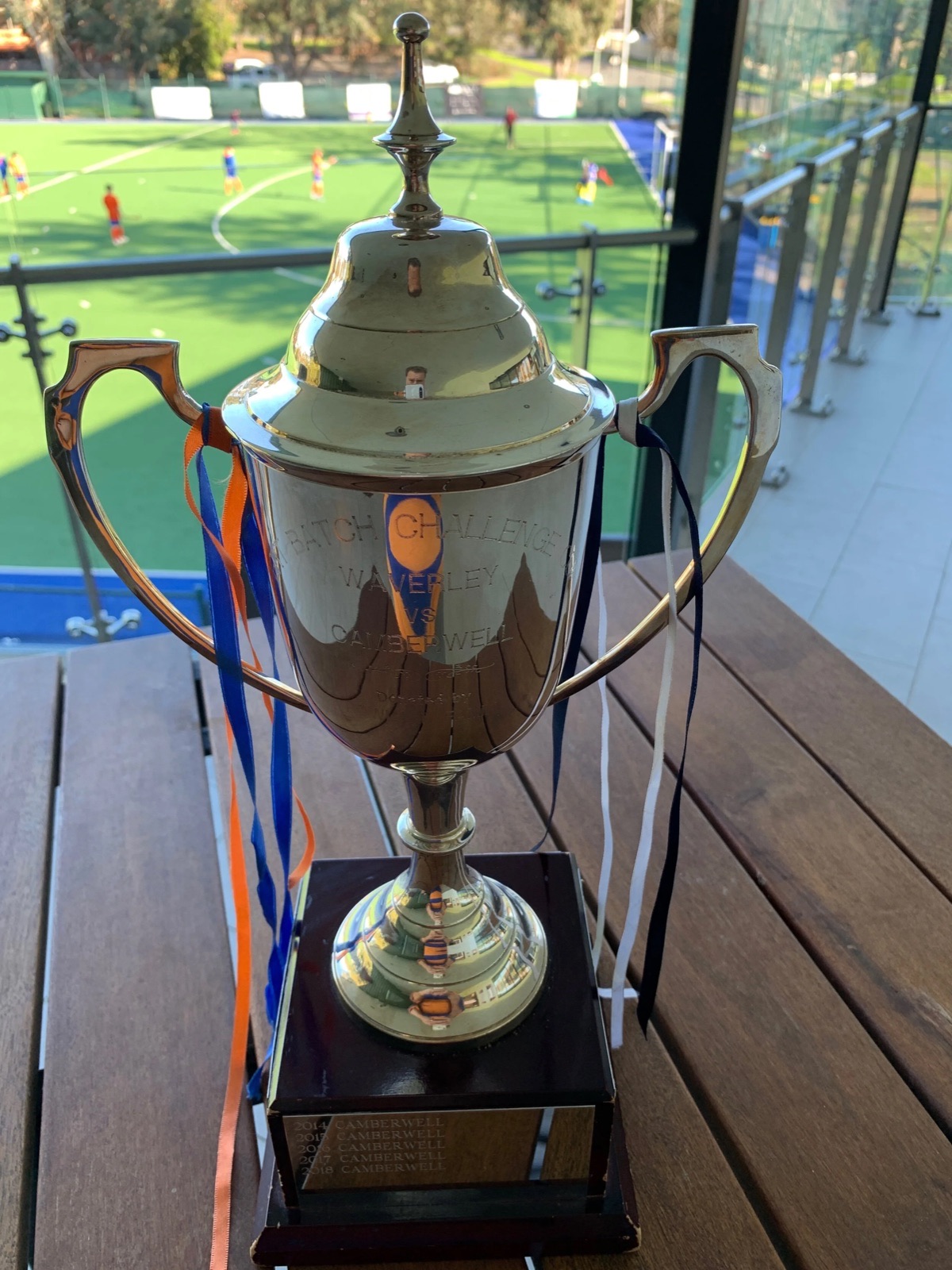
Subscribe in Apple PodcastsThis weekend our Men’s Premier League team we’re scheduled to do battle with Waverley for the Bert Batch Cup, the annual cup match between Camberwell and Waverley Hockey Clubs, in memory of Bert Batch and his enormous contribution to Victorian hockey and the Waverley Hockey Club.
The longstanding rivalry between Waverley and Camberwell began in the 1980’s, where the two clubs dominated the era winning 5 premierships each between 1981 and 1992. Since then, Waverley and Camberwell have been the leading clubs in Victorian hockey and the Bert Batch Cup signifies this rivalry and respect of excellence.
Established in 1996, the cup frequently is amongst some of the biggest blockbuster matches of the season as two of Victoria’s largest and most dominant hockey clubs go head to head.
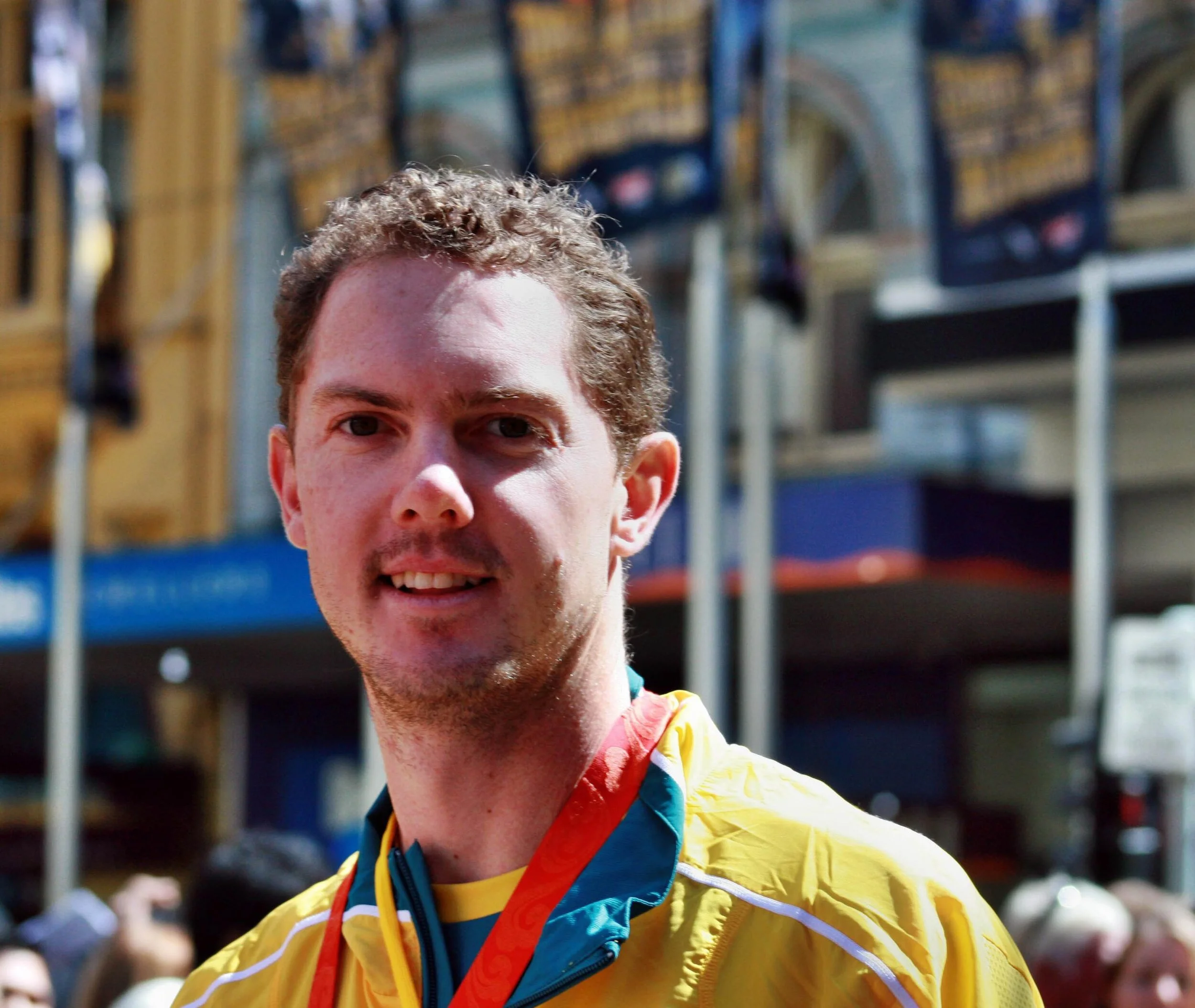
This week Hamish Ridland is joined by Waverley and Kookaburras superstar Trav Brooks OAM to reminisce over cups past and the on-going rivalry between two of the Victorian hockey heavyweights. Trav played 143 times for the Kookaburras winning Olympic, Commonwealth & Champions Trophy gold.
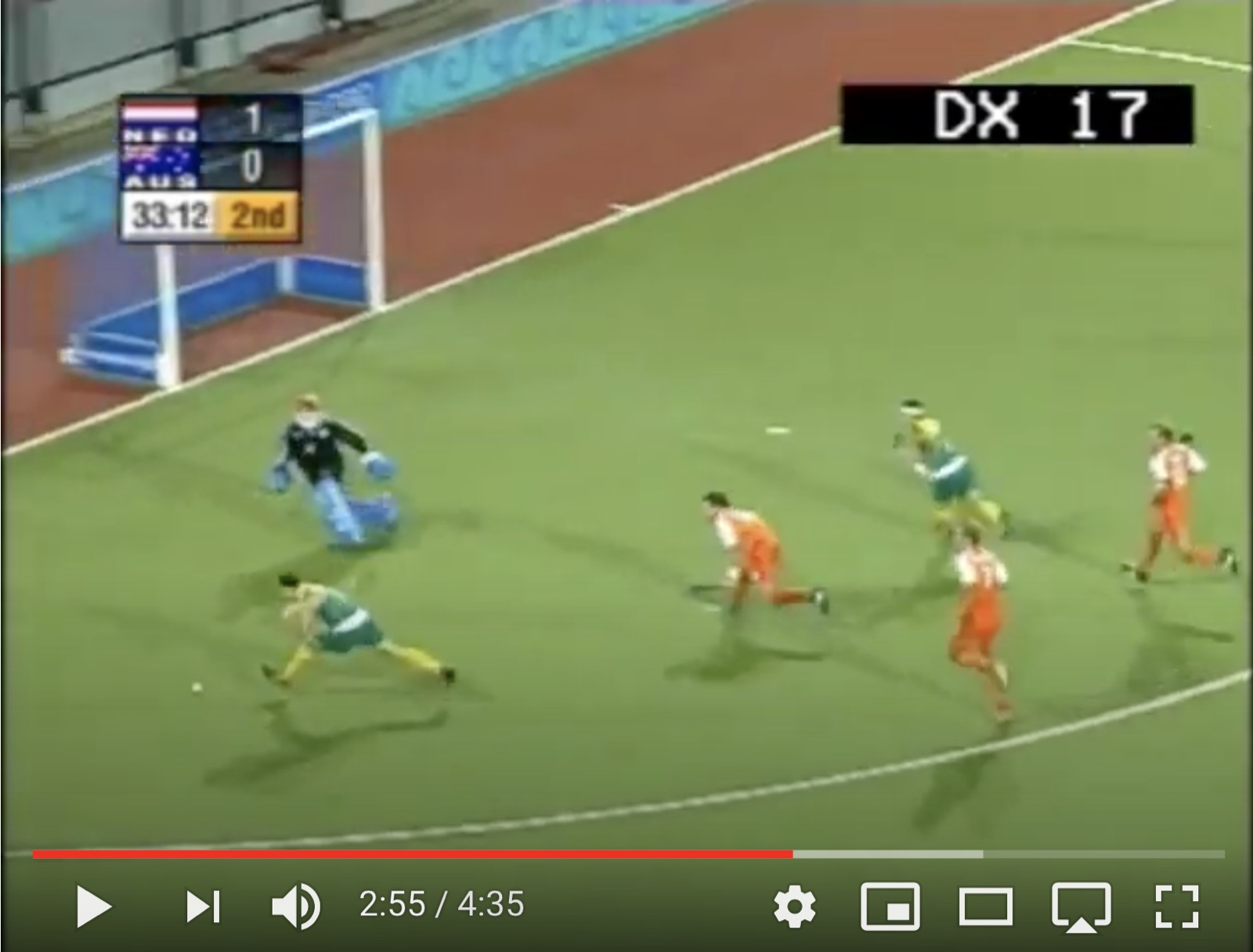
To see his Athens gold medal tomahawk the boys talk about click this clip.
Episode transcript
⚠️ Automated transcript
This transcript was generated automatically from the episode audio and lightly corrected. It may still contain transcription errors, and individual speakers are not labelled.
Last weekend, the Premier League schedule had a home game against Waverley Hockey Club, the Bert Batch Cup, one of the best weekends of the season. Huge crowd, boisterous atmosphere, top-class club hockey. This annual cup match between Camberwell and Waverley is in memory of Bert Batch and his enormous contribution to Victorian hockey and the Waverley Hockey Club. It signifies a rivalry and respect of excellence between Camberwell and Waverley, which began in the 1980s. During this era, the clubs featured in almost all the grand finals and won five premierships each. The competition was so close that neither club was able to go back-to-back during that period. Welcome to the Camberwell Hockey Podcast.
This week, Hamish Ridland is joined by Waverley and Kookaburras superstar Travis Brooks. Trav played 143 times for the Kookaburras, winning Olympic, Commonwealth and Champions Trophy gold. The boys reminisce over the cup’s past and the ongoing rivalry between two of the Victorian hockey heavyweights. 2020 marks the 25th running of the Bert Batch Cup, and it was due to be played this coming weekend on the 16th of May. With COVID-19, we hope that this match can occur later this year, and we’ve got a very special guest this week. Not many hold a better record in hockey, having played 143 caps for Australia: two-time Olympian, gold medallist, OAM, Commonwealth Games medallist, Champions Trophy winner.
Thank you for coming into enemy lines. Welcome to the show, Travis Brooks. Hey, Hamish. Thanks for having me, mate. And just give us a rundown on the OAM. Is there any sort of do’s and don’ts with an OAM? Do you put it on your email signature at work? What’s the done thing with an OAM? No, no, it’s not. I don’t really advertise it, mate. I don’t think it really gives you anything in life, at least from what I’ve found anyway.
It was funny that the day I went into Government House here in Melbourne to receive it, it was pretty humbling.
Basically, we walk into a big room and you sort of all wait. I can’t remember how many people were there. I’ll say 50, for example. Either side of me were some pretty impressive people. I had a doctor who was saving lives with cancer, and then on the other side of me I had a firefighter who had risked his life in a big fire somewhere and saved some people’s lives, and here I am in the middle. It’s just, yeah, you feel a little bit like you don’t deserve something like that when there’s people like that doing some pretty important things, and then here I am just hitting a hockey ball around the park.
So, yeah, it was pretty surprising, but proud to have won it. But yeah, I’m not sure what value, or any perks in life, it gives you, mate, but if you know of any, let me know. Yeah, okay. And obviously we’re sort of struggling through the COVID a little bit and trying to keep connected. How’s Waverley going with these times at the moment? Yeah, it is. It is crazy out there at the moment.
And local sport, it’s certainly hard to get the group together and team sports, et cetera. Look, I haven’t been around the groups too much, but from what I’ve heard, the girls are connecting on Zoom and doing Zoom training sessions, which is great and being well received by them. So they’re managing to continuously push each other along via Zoom. And to be honest, I haven’t heard too much about the men, but I think they’re just working hard individually. They had a program with one of their trainers who set it all out, and they’ve been up and running with that for a while now, continuing with that.
Yeah, it’s much the same at Camberwell. I think we’ve been doing some similar things. And my son’s been doing karate on Zoom. So if you’ve got shares in Zoom at the moment, you’d be doing well, I reckon. That’s it. So we’re here to talk about the Bert Batch. It was originally a concept that the Ridland family initiated through the 90s, and they donated the trophy. It was sort of also formulated a bit with our club patron at the time, Keith Thornton, who was more than excited to take it on.
And one of Keith’s big things was inviting the opposition to the club rooms and putting on a good spread. And certainly the Bert Batches, I always remember it being the best spread of the year. I think we probably didn’t put out as much food for MCC and those sort of teams, but certainly for the Bert Batch we’d certainly lay it out. And Keith was a big proponent of that. We sort of do that with all clubs these days, but certainly the Bert Batch is the big game of the year where we do it.
Do you guys do sort of afternoon teas and things like that with oppositions as well, or is it just something you do for the Bert Batch? Yeah, no, I think every week the guys bring along a platter for home games and play the host duties for opposition teams.
You go all out for the Bert Batch. Well, that’s right, mate. We cook the good stuff for that.
So, yeah, the Bert Batch Cup is certainly a highlight on our calendar at Waverley, something we look forward to. I always looked at the fixture and saw when it was coming up when I was playing in them. Do you remember your first Bert Batch Cup? Oh, do I remember the first? You’re a bit old now, I suppose, mate. It’s a while ago, yeah? Yeah, I know. I played in a few too.
I remember playing quite a few. At different times it was just the beauty of having the Batch family come along as well and being able to present the cup. Irrespective of which team won it, I think it made an extra special occasion for both clubs. Yeah, absolutely. Stephen would often present the cup and say a few words about Bert. And I agree, it’s something that both clubs have really carried on.
I think it’s one thing to start these things, but it’s continuing them year on year. And I think, going into its 25th year, it hasn’t lost any momentum, which is fantastic. Give us a bit more insight into what it means to the Waverley Hockey Club, because it was certainly an initiative born out of Waverley, and we were obviously very flattered and humbled to be able to partake, but it’s certainly a Waverley concept. What does it mean to you guys specifically? So I think I came through under 12s, under 13s I think it was, and I was lucky enough to be coached by Bert.
So guys like myself, Aaron Swindells — I’m just trying to think of a few other guys around that era that managed to go on and play in the Premier League at Waverley. Yeah, I think Azza and I were definitely two that were coached by Bert, and that was really nice, knowing personally who Bert Batch was. As I said, it’s been 25 years, and it’s a long time. And with Bert having passed away, a lot of the kids today wouldn’t even have any knowledge of who he was or ever have met him. And to be able to be coached by Bert and then playing in the games certainly made it extra special, knowing the impact that he had, just on my career, especially early on. It was almost the first sort of occasion that we played in a regular season on artificial surface, having moved from the en tout cas at Waverley and Electra Avenue onto the tennis court, which was great for your eyes when they used to spread the little rocks in them.
But yeah, so having Bert there, he just taught you a whole lot of little things around the differences of playing on artificial surface, and just, I guess, having been around his sons and how they were made to the elite level, being able to filter some of that stuff back through to us as kids at an early age certainly made a big impact on our career. And Bert’s legacy is beyond Waverley as well. He certainly had an impact on hockey in Victoria, along with people like Mike Craig and Keith Thornton from Camberwell.
Can you sort of tell us a bit more about how Bert’s legacy is remembered at Waverley? Bert was a very hard but fair guy from what I remember of him. And I think he was probably instrumental to us as a club moving up through the ranks and making it into state league. So when he came across with his kids and helped basically set up Waverley as a state league one club, one of the best clubs in Victoria, he absolutely played a massive role in all that, both coaching and guiding his own kids, but also coaching and influencing a lot around the club.
So I know there’s been a lot of players in the generation before me that came through and had involvement with Bert, and obviously the Batch Boys as well. So, look, he’s a massive influence in our club when we look back over our history for sure. And I think he was probably a key driver and a key part of us moving from a club that was good, but not at the top level, taking us that next step as a club. He was the main player in making that happen by the level of professionalism, I guess he brought in the experience, but also the rest of the family as well coming across certainly helped. Like, my good self, as you get old, you can’t play hockey as much as you’d like to, but you sort of become teachers over doers.
And obviously your brother and yourself have been quite involved of late in coaching at Waverley. Do you think some of those values and things have been sort of entrusted in the club and struck a chord with you both? Yeah, I think we certainly try and pass that along. It’s interesting now. I don’t know what it’s like with you, but when you go down and you start dealing with the kids today and the differences in how they approach it, I feel there’s a different vibe, I guess, in how the teams are today and interact with each other.
You know, post-game, I’ll see, in the clubhouse, Waverley and Camberwell getting together and discussing, versus the generation we came through. So yeah, the things that Bert and the Batch family, and the changes that have been at Waverley over that period of time, certainly we’ve tried to pass that on through the generations, and as we moved out of our playing careers and continued on in the coaching space, we certainly try to ensure that we keep a level of consistency slash history, keeping the same things that we value as a club, that can stand the test of time as the club moves through its journey.
The other factor, I suppose, and you sort of mentioned it just before, is that Bert was instrumental to making your club a very high-performing club in Victorian hockey. And so that cues into the 80s, where Waverley won five premierships, and we won about that as well. And nearly for a decade, both clubs competed in grand finals, which is pretty remarkable. You guys won the odds, we won the evens. It seemed to be the way to split it.
And I think it was testament to how close the teams were, because neither team could actually string back-to-back premierships together. And there’s some amazing names from both sides. You’ve got the Batches and Simon Dawkins and Stephen Bursell and Rob Whitehouse for Waverley. And we’ve got the likes of Jay Stacy and Grimshaw and David Wansbrough and Anthony Potter and Andrew Henderson. The list goes on for both. So it was effectively the state side playing against each other in many respects. Yep. Can you remember any of those sort of games growing up? You would have been a pretty youngster then, maybe 10 or 12, 13 at that stage. Can you remember any games that you’d go down and watch?
Yeah, yeah, absolutely. I do remember that period. Jeez, it’s funny looking back, the names you mentioned from Camberwell. I remember Jason and I playing in the front yard. I’d be Jace Stacy, he’d be Dave Wansbrough one day, and the next day it’d be the opposite. And we used to play around our front yard hitting goals and emulating those guys as our heroes. And then being able to go down and watch them on the weekend. I remember going out to the hockey centre for those grand finals, and the atmosphere was just amazing.
And there’s a really rich history between Waverley and Camberwell, and even to this day it carries on. So it’s pretty special, I think, the rivalry, but also the history that we’ve got between each other. Yeah, I was talking about this very thing with Dad just the other night, and we were sort of reminiscing about the 1990 grand final. I don’t think I’ve seen a hockey game like it. It was sort of three-all at full time. But Camberwell had been leading 3-1 with no more than two or three minutes to go.
Within 40 seconds, Colin Batch found Steve Bursell twice to cut the difference and make it even. And back then it was 15 minutes each way, or 12 and a half each way or something, no golden goals. So you had to play extra time out. And another five goals were scored in extra time. It was just one of those epic games. It was pretty amazing. I can still remember it now, just being so nervous. And I think even when we were up 6-4, I was reading one of the news clippings, you guys still had three chances in the last minute to try and bring it back to six all.
So it was just, yeah, I think that sort of epitomised where the two teams were at, and just how close they were. How do Waverley people view Camberwell? Because the team of the 90s for Camberwell certainly played on the edge, I think it was fair to say. So I think we certainly had a role of respect, but I don’t think we were particularly well liked. Growing up at Waverley, what was everyone’s sense of Camberwell? Yeah, we certainly respected you, but we definitely had a hatred, I guess, in a sporting manner.
We had a hatred towards you guys. It’s interesting hearing you name some of those guys that came through. We were lucky enough to be coached by Robbie Whitehouse. So coming into the Camberwell games, he certainly gave us a bit of extra oomph in his pre-game talk. A bit of history. That’s it. There’s scores to settle. Yeah, exactly. But look, I think, both on and off the field as a club, we’ve got a lot of respect.
And in many aspects, we at Waverley envy what Camberwell’s done and set up and how they go about it, for sure. And I think between the two clubs, we’ve both been lucky in that we’ve had some really good administrators and good people and good coaching involved to remain for such a long period of time at the top of Victorian hockey. Yeah, absolutely. I think both clubs had Bert Batch and Keith Thornton and Mike Craig, as mentioned, and they certainly, throughout the 60s and 70s, really grew the junior structures in both clubs, and that set a great foundation.
But yeah, I think both clubs have had successive well-run administrations to take that to the next level. And I think there’s certainly a lot of mutual respect after the game, for sure. I don’t know how much, with Camberwell, we talk about the 90s — the 80s is our golden era, ad nauseam. And it absolutely was in terms of the calibre of the teams and the success that they had. But I think it’s quite interesting that Waverley really had two golden eras, and your era in the noughties was equally as good in terms of netting the same amount of premierships and quite a number of grand finals.
Is there any discussion at Waverley around the two eras and where history lies? Where do you sit at Waverley around what the golden era was? Yeah, it’s a tough one. I guess, being part of the noughties campaigns that we had, it’s hard when you’re involved in it. It’s easy to look back on, I think, probably the 80s and 90s, just because they’re the guys that I grew up with as my role models in hockey, and you always put those guys up on a pedestal about the way they went about it. So I guess it’s kind of hard for me to make that call.
The game was different back then to what it is now. Things like offside being in, in those days, changed the way players played. They had to be a bit more smart. It wasn’t probably quite as athletic in some aspects as it is now, but they had to be really smart and crafty about how they went about it. So comparing the games and the teams is certainly difficult. But look, I think it’s probably very similar to the period of time that you guys have had relatively recently as well. Yeah, they’re hard to compare, but jeez, you enjoy them. Yeah, they’re not bad, are they?
I mean, I think it’s interesting that the really only thing that splits the two is you guys were able to win both a three-peat and a back-to-back. Yes. That’s quite an achievement in itself. I think that’s probably the only difference between the two eras, from a Waverley perspective anyway. Does that sway the discussion in any way back in the club rooms at Ashwood Reserve?
Oh, no, not that I’ve heard, mate. I guess you just take the game on a year-by-year basis, I guess, when you look back through history. And geez, just getting to the grand final is a big task, as you guys know. And then to win one, then to win two and three in a row, it’s certainly a big challenge. But obviously, when you look back, you’ve kind of broken things down into a game-by-game, year-by-year sort of focus.
So I guess, looking back over a long time, winning three-peats, there’s not too many of them around. And the team that we had through the noughties was certainly pretty successful. But there’s parts of me that look back really fondly over that time, but there’s parts of me that are bloody disappointed that we didn’t win more, because I think we lost our first three grannies that we were in. I think you guys actually probably knocked us off in one, maybe two of those.
Just the one. I think it was more the Jay Stacy, Mouse Brennan combination. I think that featured in a couple as well, which is pretty formidable. Yeah. Yeah, you always sort of won. Yeah. I think it’s interesting too. I mean, given the success that group had, do you think losing three straight and then going on to win your next five appearances is pretty remarkable?
Do you think that having gone through that period of three straight losses then really steeled the group to make good on these opportunities going forward? Yeah, there’s definitely an element of that. The experience, the learning, certainly played a part in all the success that we had as well. But I know, mate, sometimes it’s easy to get all the success without going through the pain.
Yeah, well, that’s right.
So it’s been 20 years since Camberwell — I mean, we just mentioned that grand final. That was the 2000 grand final, and it’s 20 years since then. And you guys were just entering the next window of opportunity, and ours was more or less closing at that point in time. And hockey was changing a bit. Carbon sticks were coming in and hitting was going away and slapping was coming into vogue and a thing called tomahawks came in. So I think we should definitely talk about that goal.
2000 Olympic grand final, gold medal game, 1-0 down. Jamie Dwyer just slips you the pass — just talk us through what happened. Yeah, so it’s funny when I think back, I felt like I had a hell of a lot more time than when you watch it on the video. Oh, it actually happened all pretty quickly. But yeah, so I remember a nice long ball. I think it was from Livers from the back line all the way up to Jamie. He sort of posted up the centre forward, and I’d run past on the left wing, and Jamie did a nice little back-stick flick through. And I just remember at the time I was going to pick it up on my flat and then go in and just pull the trigger on the shot.
But also as I went to do that, I noticed that the keeper was off his line. He just felt like he was way out. Looking at the tape, it doesn’t look quite as bad as what I remember it. But I thought, geez, the keeper’s a long way out towards the top of the circle. So I thought he might have thought that Jamie was going to trap and roll and take the guy one-on-one for a shot, and so he was out. But when Jamie slipped it, I felt he was offline. So rather than pick it up on my flat, I thought, oh, I reckon I’ll pull the trigger on the tomahawk here. So I remember letting it come across my body and then just going down on the tomahawk.
As I hit it, I thought, geez, I hit that pretty well. And I just remember the keeper diving. And as he dived, he kind of dived from where I was in the hit. I was down pretty low hitting it. It looked like he dived on it. And I was like, oh, geez, I wonder if it’s gone under him, or is he just sitting, you know, nesting it and sitting underneath his body. And so it felt like I’d come up, and I was almost leaning back trying to see what had happened. But in reality, I’m still kind of a fair way forward.
But all I remember then is just seeing the ball pop up over the back of the keeper. So it went under him, hit the backboard, and then just popped up. And at that moment, I thought, yep, she’s in. Thank you, beauty. And then I remember going to the crowd and putting my hands up in the air. Yeah, a bit of an aeroplane there too, wasn’t it? I looked up into the crowd and I was like, oh, how good is this? So Louise Dobson, she’s a fellow Victorian and had a really successful career with the Hockeyroos. I looked up in the crowd and, geez, there she was, full Hockeyroos kit.
I thought, geez, she’s done all right. She’s come out, full Hockeyroos kit, to support us in the gold medal playoff. She was standing next to a guy who had an inflatable wallaby that they’d taken overseas into Athens. And the last thing I remember is that as I turned with my hands up in the air, as I turned back around to go and celebrate with the team, both Louise and her friend next to her threw their beers up in the air, and I just remember it going up and I don’t remember it coming down as I turned around. So I thought, someone’s just got a nice spray.
So anyway, after the game, I’m up with my family and they’re all congratulating me and I’m showing them the medal. And I was in a circle with my family and I looked across, and in the circle sort of behind me, I looked across from my circle with my family, and directly across from me was my dad. And then behind him was another sort of family that had gathered. And I noticed Louise was there. And so I thought, now, how cool is this? My really good friend, the highlight of my playing career, I’ve hit this ripping goal, and she was there to celebrate it with me.
Anyway, I said, Dad, just hold on a second, mate. I just want to go over and say hello to Louise and say how good was it that you were there. So anyway, Dad’s like, yeah, sure, no worries, mate. So I walk past Dad and I get into this other circle and I start to make my way across. It’s about, say, two metres in diameter. I start to walk across and I just go, oh, I have got no idea who this person is.
So I’ve celebrated the highlight of my career with someone that I don’t really know. But yeah, geez, it was good.
Do you get goosebumps when you watch the video again? Yeah, yeah, I do, mate.
Quite often I go along and do talks on it and that video comes up. Sometimes I provide that video because it’s a nice wrap of the game and shows a lot of the bits and pieces that happen. And sometimes you go on to talks and people have found that on YouTube. And yeah, it does. I get the goosebumps. You sometimes get a bit emotional about it. Yeah, it does. It still strikes a chord, mate. Yeah, what a moment.
Fantastic. When did you sort of develop that skill? I mean, that’s a skill that I was too long in the tooth to learn. But when does — I mean, it sort of showed the sign of how hockey was changing, and we talk about the 90s versus the noughties and slapping and tomahawks were just — you know, players had to be able to hit on both sides of their body. When did you sort of pick that skill up? Yeah, I think it came in 96, after the Olympics, when they took out offside and changed a whole lot of other rules.
I’m not sure if they changed obstruction as well at that point, but yeah, offside, and allowing the use of the tomahawk. So I guess as a kid, look, mate, I don’t know if I thought it, but if someone said to me — whatever it was — it was basically, if you want to be a really good striker and be able to make it to the next level, you’ve got to be able to hit these tomahawks. So look, mate, it wasn’t smooth sailing. It’s quite funny now. I look back on my career.
So I was playing at Waverley after a couple of years at Dandenong. I used to practice at Dandenong, but geez, I could never hit it flat. And then going back to Waverley, Jerry Anastasia was our coach. And every time I’d hit a lot of tomahawks, both at training, and then in the game I was having quite a few shots on the tomahawk because there was just space out there. People were probably still adapting to how to tackle it, how to smother it and do all those sorts of things. And I had a fair bit of space out there and I thought, oh, I’m just going to pull the trigger.
And I kept hitting over the top of the goals. Like, if you imagine top of the circle, hitting a tomahawk, you could probably put another goal on top of the current goal and it was going over the top. I actually remember driving my car down to Waverley, because Waverley’s got, if you look at the car park end, a nice big double fence. The fence is not high. Well, it is now. They have that extension. It is now, because of you.
If anyone’s copped one over there, I apologise. But yeah, so I used to work at that end and hit the ball into that fence so I knew I didn’t have to go and fetch them. And it was just practice, mate, just practice, practice, practice. And it got to the point where I practiced things so bloody much that I actually became better at hitting tomahawks than on my flat. And even to this day, I’m still going to hit the ball a lot better on my tomahawk than my flat. But it was just purely, you know, practice, practice, practice, practice. So yeah, by the time I made it up to playing in the Australian team, I had that skill pretty well tamed and I could control it really well, hitting it left or right and up and down and stuff.
So I’d almost got to the point where, after hitting it up in the air all the time, I actually got that out of my system of hitting it up in the air, and hit it flat so that I could barely lift it anymore, because I’d become so accustomed to hitting it flat. Well, good thing you didn’t try to hit that goal on your forehand then. Well, yeah, and it’s funny because I remember Jerry, who was our coach, he goes, put it away, Travis. Don’t ever hit it. He goes, just get it back on your flat. And so if I had listened to him, we probably would never have had that goal. And then, I mean, at the same time in 2000 as well, we played that final out of Doncaster, and that was because the State Hockey Centre was being redeveloped.
But you’d go on to win the Commonwealth Games gold medal in the new stadium at that time, which has obviously been under renovation as we speak. But that must be also a massive career highlight, being able to not only play in Australia but in your local crowd. Tell us about that. Yeah, awesome. Look, the Commonwealth Games was fantastic for Melbourne. Getting that hockey facility up and running was terrific. We’re pretty lucky. If you think about what we had beforehand to what we ended up with, it was chalk and cheese.
Yeah, we certainly got a ride out of the Comm Games. Playing at home — I’d been lucky that my family had come over to see me over in Athens on a couple of home series. They flew up to Queensland or Sydney to support me, and Canberra as well. So it’s nice playing in front of your family, but you rarely get to play games in Melbourne with the Kookaburras. A lot of the stuff’s over in Perth because that’s where they’re based, the Australian set-up’s over there. I guess Sydney was kind of the next port of call. And then Melbourne was probably pretty close after Sydney.
But yeah, to play that tournament in Melbourne was just amazing. The home support, just seeing the people around hockey — it was just great. And yeah, mate, I think the more we can play here in Melbourne at that international level, it’s going to be better for the game. But for me personally, that 2006 Olympics was just amazing to be able to play in front of family, but also friends, and be able to share some of the excitement of the Comm Games with your friends is terrific. Yeah, there were also a couple of Waverley teammates with you, being Luke and Gimpy as well. Yep, yep.
So that was also nice, extra nice for the club. We’re pretty lucky having the three of us involved in the one national team at that time. But yeah, look, the club certainly enjoyed that, as did we as players. As a highlight, yeah. And you’ve obviously played with some of the greatest hockey players and played against a number. Like, who was the best player you played with — put you on the spot there? Best player I played with? Jeez.
Look, Jamie, it’s hard to go past Jamie. He’s just — jeez, you think — I remember training with him and just thinking you’ve got him, and then he would just zip around you and you’d just be so frustrated. You’re thinking you’ve done everything right, but he was just a marvel. Just seeing him turn people inside out is just amazing. And just, he could hit goals, and that’s worth its weight in gold, being able to hit goals. And I remember doing some goal shooting stuff with Jamie, being fellow strikers, we used to do a fair bit together.
And I remember hitting the ball, zinging it in the corner, and bloody Gimpy would fling his foot out and make a ripping save in the net. And then Jamie would hit it between his legs. But it’d just be a goal, and that was just the difference. Jamie could hit a goal. He was just so bloody good. But when you think about defenders, there was a Bevan George, a Matthew Wells. Those guys are amazing tacklers. And just to be able to have those blokes behind you on the pitch, sometimes you think, geez, it’s really good. But then, on the opposition, Teun de Nooijer from Holland — he was amazing to watch. Just a bloke at full flight. Just had the grace of a swan as he went. And he was getting good, turning games. Yeah, just turning games and hitting goals, or setting up goals and winning things off his own bat.
Yeah, geez. It was just amazing to see, to play on the same pitch as some of those guys. It was — yeah, some pretty good memories there. Yeah, amazing. Yeah, I must admit. Bert Batch — let’s just go back to the Bert Batch, I suppose. And we’re in the 25th year, and the tally stands at 9 to Waverley and 14 for Camberwell.
And we certainly bookended those numbers. You certainly won a lot of them. So you just talked a little bit about Rob Whitehouse’s sort of leaning in a bit on the pre-game speech. What were the kind of things you guys felt you needed to do to beat Camberwell when you were coming into a Bert Batch? Oh, geez. We always knew we were up for a really tough game. When do we ever see a Waverley versus Camberwell flogging?
There certainly has been some over the years, but not many. Yeah, and we just knew it was going to be maybe at least a three-goal game, whoever hit 2-1, or maybe lucky to get a 5-3. But rarely did we have a draw, I think. And someone used to win by one, so it was always a really, really tight contest. But oh, look, mate, I guess tactically and stuff, we used to look for how you guys came out of defence, and we always thought you were pretty right-side orientated and used to try and do some stuff around that.
I’m going off my memory here, which — I haven’t played for a while. Probably just how you’re going to get it past Dreher too. That was probably the other thing. Yeah, it was always handy having him in the net for you guys.
He certainly stopped us at times, particularly in those early noughties. I think that was probably those close scorelines. I think he had a lot to do with it. Yeah, well, I think we can’t talk too much on that, mate. We had Steve Mullen in the net. He was pretty handy as well, so we were lucky, which probably made the games even tighter, right? Any goal you got was worth probably two in those games. Yeah, I agree. I think when we were going into your game, we knew it was going to be physical.
We knew there’d be cards.
I think we always had to dance this fine line. We felt if we could just deny some of your key players the ball, the anxiety level would go up. And when Tim started to get a bit physical, we knew we were on the right track. But then, if we got behind a bit, the momentum would swing. You’d have Aaron buzzing around and getting up on your grill. So there was always someone in our grill at some point. It was just depending on how we walked that line between whether we were up or down. But we always knew it was going to be willing.
It was, you know — I think trying to get that anxiety level up by denying the ball was our sort of strategy. But I think you guys just had too much class in the early noughties anyway, where we just weren’t able to go with you for most of them. But that was always our go, however successful we were. I mean, I remember Greg Read would lament quite a lot that we had too many nice guys. He thought we had too many nice guys on our team, and he never stopped talking about how we needed a bit more of it in the forward line.
You mentioned the cards. Did you ever have to have a quiet word to some of your guys? Your guys sort of got a bit hot and steamy on the pitch at times. To take them aside before the game — so I know you’re playing Camberwell, I know Lockie Dreher, you want to get into him, or one of the Ridlands. Like, what was — were there any quiet words heard to some of that? Tim, Adrian — I’m just, Camberwell, mate.
That was a weekly discussion. Yeah, they loved hockey. I think it was the highlight of their life each Saturday night, as it probably was for all of us, to be honest. But geez, they’re certainly passionate about how they go about it. They like to throw their weight around as well. Yeah, look, I think half the battle in hockey — I think we all kind of train the same. We’re all as fit as each other. A lot of it comes down to the mental aspect in these games.
When they’re tight like they always were, it’s just who could hold the composure for the longest, I think, in a lot of it. And I think if you throw in someone like Wansey on the pitch as well, you could certainly see the Thompsons’ blood pressure go up just when he was close to them. There must have been a few players you guys loved to hate. Oh, yeah. Look, I think there was — we used to always talk about the Ridland twins.
They were always a couple of favourites of ours. I remember getting a yellow card against you. I think we had a good laugh when we worked together once around that, where I think my stick came out of my hand from a tackle from you and I went to retrieve it. You happened to be on the line of me going to get the stick, and I think you thought I was coming to give you one, and we had a bit of a tussle, and next thing I’m getting a yellow card. You ended up in a headlock, I think. Yeah, that’s right.
And then somehow I ended up with you in a headlock, and then Tomo came and took you out of my headlock and decided to have a dance with you in his. That’s right. But I remember, actually, when Tim and I were sent off behind the net, it was at Pointer, and Wansey came up behind the net, and what’s his name, Minter as well, and had a little chirp. So it was quite funny. I was sitting there laughing. Well, down the other end, I remember Dre getting really cross at me, saying we spoke about discipline before the game and what are you doing?
You’re supposed to be the team, mate. And I said, look, one Ridland for a Thompson and a Brooks, I think we’re up here. In terms of a fair trade, I think we’re well ahead. But yeah, he was pretty dirty on me. Yeah, that was a funny instance. But yeah, I just think it’s down to the passion, mate, we all played the game with, which is good fun. I think — I mean, I look back at the 2010 preliminary final that we played against you guys, and our team was changing then.
We sort of had some really good players, the Websters and Philpott and obviously Declan and other players that gave us some class we didn’t really have earlier in the decade, and that’s obviously formed the core of the team that’s had great success. So we sort of had the speed and youth, but we were all over you for the first 20 minutes, and then you guys just found a way to win, and I think that summed up your team particularly — you know, at the end you sort of won back-to-back when no one really thought you were there.
You guys just had a fierce hunger to win, and I think that summed up that group, just the sheer competitiveness of it. It was a real strength of the group. Yeah. And look, I look back over my playing career — obviously the international stuff was great, but jeez, the club stuff was good. I remember going down to trainings. I actually used to enjoy sometimes doing the Waverley training more than any other training because it was just intense.
I remember Robbie Whitehouse turning to us one day going, boys, you can go home now. I looked up at the clock. It was quarter past 11. We’d done the late session from 8.30, but we just kept going and pushing. We were just playing small games, but it was just intense and wanting to win. And we really had just a team that was driven to win, and we were really hard-nosed about it. And sometimes, look, we probably ruffled a few feathers of some of the younger kids coming through, and we probably didn’t handle that well.
When you look back retrospectively on some stuff — but yeah, geez, it was good just the way we used to train. And I used to love it a lot, just being a competitive beast, and then having the Thompsons and Adrians and Dauners and Mullens, all those really competitive guys, just training used to go up a notch. And then when you had Robbie Whitehouse at the helm as well, who’s a competitive bloke, as we spoke about earlier, through the history of Camberwell and Waverley, it was just good fun. When you look back and you think, as a guy playing hockey, or even team sport, just the ability to physically and mentally challenge yourself in those training sessions and then take that into a game — it was just perfect, really. It’s just what you really love to do.
I’m not surprised you say that. I think we were always surprised. Sometimes we weren’t sure whether you sort of argued with us more or you argued amongst yourselves more. But that fierce — you guys certainly had standards that you demanded from each other and you didn’t accept anything less. And it seemed like that was a real strength, that you guys didn’t take it personally either. You were able to have those hard conversations on and off the ground and be better for it. Yeah. That is one of the good things. I think we’re all still really good mates.
We had a reunion actually earlier this year. We snuck it in before everything went into lockdown, but it was good just to catch up with the guys and talk back over that 2010 flag.
We’re all still lifelong friends. A lot of the guys are still around the club. Now their kids are coming through, like myself. You’re right, we were certainly hard on each other, but there was the underlying mutual respect, I think, that certainly held us in good stead for mates outside. Yeah, exactly. They’ve probably won about 10 veterans’ premierships now — two in a row now. Yeah.
I haven’t joined them yet, mate. Yeah, I haven’t. The knee? The knee, yeah. I’ve played a couple of games down in Pennant, I think Pennant — Pennant F, Pennant E, I think, is the last I’ve played. That’s enough, mate. That’s good fun. I’m not too fit these days. So I think my last game I ended up, funnily enough, hitting a tomahawk goal.
As I hit that tomahawk goal, I limped to the bench because I just ripped my hammy and never made it back. After about round six, I ripped it again three times and then a calf popped up. So yeah, I haven’t joined the veterans yet. The higher you climb, the mightier you fall. That’s it. That’s it.
Too true. But still, I think that’s a great thing when players do come back down and the juniors coming up get to play with yourself. It would give them a buzz. So it’s great that you can still do that, albeit briefly with soft tissue injuries. Yeah, that’s it.
So let’s talk about the current Waverley squad. It’s certainly a very young squad. It’s a developing squad, and you guys have been making finals but not quite converting them into finals wins just yet. Where do you see the Waverley squad now? It’s interesting, even just hearing you talk there about Camberwell, early 2000s to late 2000s, and how you have that next generation come through, the Websters and the Philpotts and co. It’s just really tough, right, to get there and maintain it for such a long period of time.
And I think Waverley — I think 2011 we won.
So yeah, 2010 I was a part of. 2011 I came back to back. And then I think since then it’s been pretty quiet. Yeah, it’s pretty much been Camberwell, Greensborough — yeah, a bit of Doncaster and Southern now. Yeah, so we’re certainly at that point where I think the losses of the Brookses, the Thompsons, the Cusicks, Aaron, all those sort of guys, the Whitehouses, et cetera, have all kind of moved on now, and that’s the next generation. So the Damon Stephenses and the James Neers and the Lockie Steinfords that are coming through at Waverley.
I think the team’s about to hit their window. And I think everyone’s got their own opinion, but I think 24 to 27 is probably when you’re roughly playing the best in your career, where the mind and the body are at about their optimum for both. And I think we’re probably on the entry of that window. There’s a lot of really good young kids as well coming through. So yeah, look, mate, I’m excited about what the future holds for the guys. And we really need to get some of these guys going through the elite programs, et cetera.
So you know, like, you guys had the Websters, who was involved in the Kookaburras for a little bit along with Philpott and Kleinschmidt, et cetera. Deckers, who was around the Vikings for a long period of time, was part of that elite stuff. It just helps your club come along, and those around them. And I think Waverley’s probably had a little bit of a softening in that area, I guess. Sort of, I think, Damon Stephens and James Neer being our two kind of stalwarts in that area, but we haven’t had a hell of a lot that jumps to mind in that period of time.
So yeah, look, it’s just a good time, I think, for the guys to really take that next step. And as their maturity grows, I think they’ve certainly learned a lot. I think last year they got pretty well flogged. Was that — I can’t remember if it was Camberwell or not, but… Yeah, I think week to week, we beat you guys 1-0 for the Bert Batch, and then the final was quite, I think, quite a comprehensive one.
Yeah. I think it just spoke to the youth of the squad. I think the ingredients, from my eyes, seem to be there. It’s just, as you say, maybe just a bit of maturity, and that can’t be too far away, I think. Yeah, I know. Yeah, I was bloody surprised at that result, but I also know Colin Batch was pretty surprised too. I was talking to Batchie about the result and he goes, I don’t think I’ve lost to Camberwell since ever.
I was like, yeah, I don’t think so. Because it was a 7-1 or something from memory, wasn’t it? You guys gave us an absolute — it was of that order. But no, the group’s learned a lot, mate. They’ve certainly been disappointed, I know, from speaking with the coaching group and the playing group over the last, what’s been kind of two years, I think, where we haven’t quite gone as good as we wanted to in the finals, having had a pretty good round-robin season.
So yeah, look, I think the guys are there on the cusp for really putting something together and giving it a shake. Yeah, we’ve sort of touched on the new squad on the Camberwell podcast, so you’ve got to give us a few cues. So I think we’ve also had a bit of a good run. I think we’ve had sort of seven straight finals appearances and missed that last year. But what’s been impressive of the group that’s gone through for Camberwell lately — well, the talent and the depth, I think, from your end, just really seeing the young guys kick along
and see them grow and the influence that they make on the game. I think — is it Jake O’Shea? Jake O’Shea, is that right? Jake O’Shea. Jake O’Shea, yep. I’m not too good with the names of everybody these days, mate. But just seeing the likes of him, and just being nicely complemented by Azza Kleinschmidt up front and those sort of guys — and I can’t remember, Tim Everest as well has been great for you guys. But yeah, those sort of guys, mate, look, as I said, I don’t know all the names, but there’s just a whole lot of new young faces that I see that are just — you can just tell that they’ve come through a really good system.
Their basics, their understanding of the game is really, really good. And I think that’s probably what’s impressed me the most — you’ve been able to get there to the top, win the flags, but then sustain it over a long period of time, which shows that there’s been a well-managed group in terms of having the team ready to go and win, but also had the plan in place for the sustained success. And that certainly paid off dividends, when you can see the results. Well, thanks very much for joining us. You probably didn’t think you were ever going to be on a Camberwell podcast.
I think, yeah, it’s all set up for — hopefully we get to play the game later this year, and as you say, I think you’ll have revenge on your mind, and I don’t think it’ll be 7-1. It’ll be more like 2-1 or 1-0 or 3-2, whichever way it goes. Yeah, so let’s hope that we can get a game, and I’m not sure we’ll be able to put a spread on this year, but yeah, it’d be good just to at least get the game. And thanks for coming and speaking to us, and thanks for your time. No worries, mate.
I’m looking forward to the battle too. All the best.